
Fame and fortune have traditionally been viewed as the ultimate markers of success, closely tied to the idea of achieving the so-called American Dream. Yet as celebrities have gained more platforms to speak openly about their lives, a different picture has started to emerge. Living under constant public scrutiny comes with serious psychological and emotional costs, and not every actor is equipped or willing to pay them. Some find the pressure unbearable early on, while others grow weary after decades in the spotlight. Young performers face a unique challenge, often entering the profession before they are old enough to fully understand what they are signing up for, guided by agents who spot potential or parents convinced their child is destined for stardom. For many of them, the dream fades quickly once reality sets in.
Here is a look at the specific films that pushed these actors toward leaving the profession behind.
Omar Sharif, ‘The 13th Warrior’ (1999)
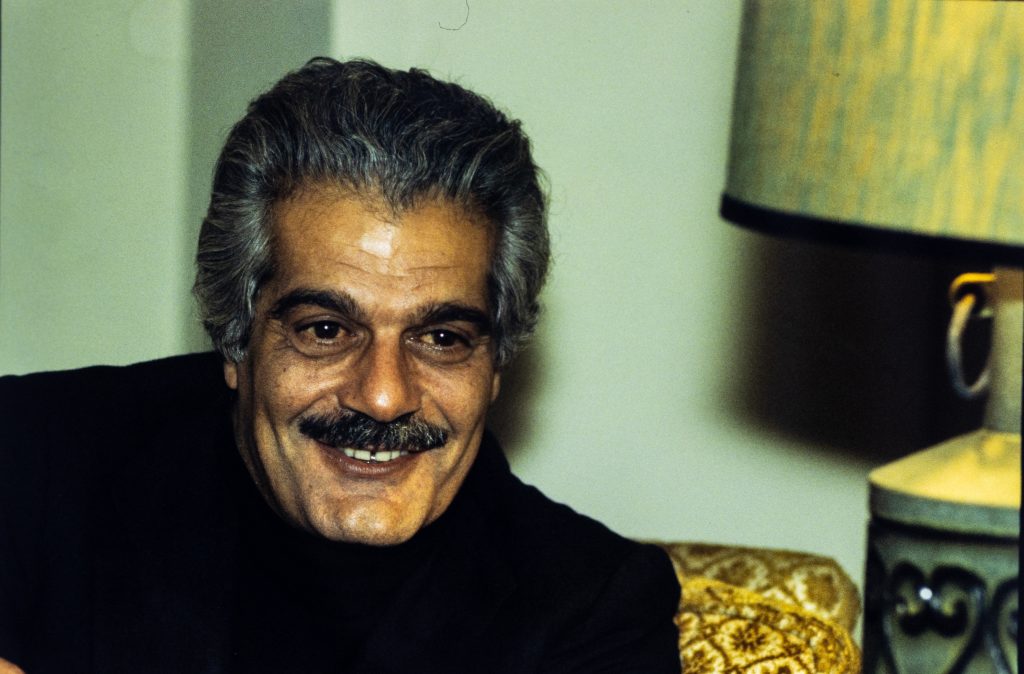
Omar Sharif built an extraordinary legacy through his work in monumental productions like ‘Lawrence of Arabia’ (1962) and ‘Dr. Zhivago’ (1965), cementing himself as one of cinema’s most distinguished figures. That reputation took a hit when he appeared in ‘The 13th Warrior,’ a film that flopped both critically and commercially. Sharif was openly embarrassed by his involvement, admitting that even members of his own family mocked him for taking the part. The humiliation weighed on him, and he gradually withdrew from the industry, accepting fewer and fewer roles until he stopped altogether.
Sean Connery, ‘The League of Extraordinary Gentlemen’ (2003)
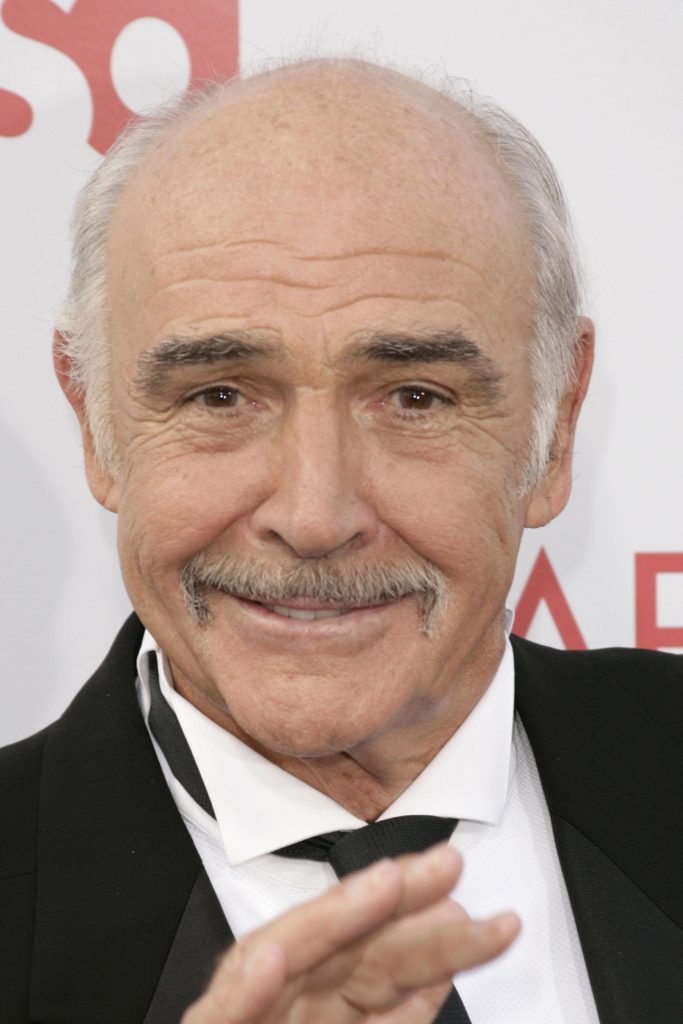
Sean Connery, who died in 2020, brought his long and celebrated acting journey to a close with ‘The League of Extraordinary Gentlemen’ in 2003. The production was turbulent from the start, marked by friction between Connery and director Stephen Norrington over scheduling issues and conflicting creative visions. Connery made his retirement official in 2006 during a lifetime achievement ceremony, expressing frustration with what he saw as poor judgment and misplaced priorities within the contemporary Hollywood system.
Shelley Duvall, ‘The Shining’ (1980)
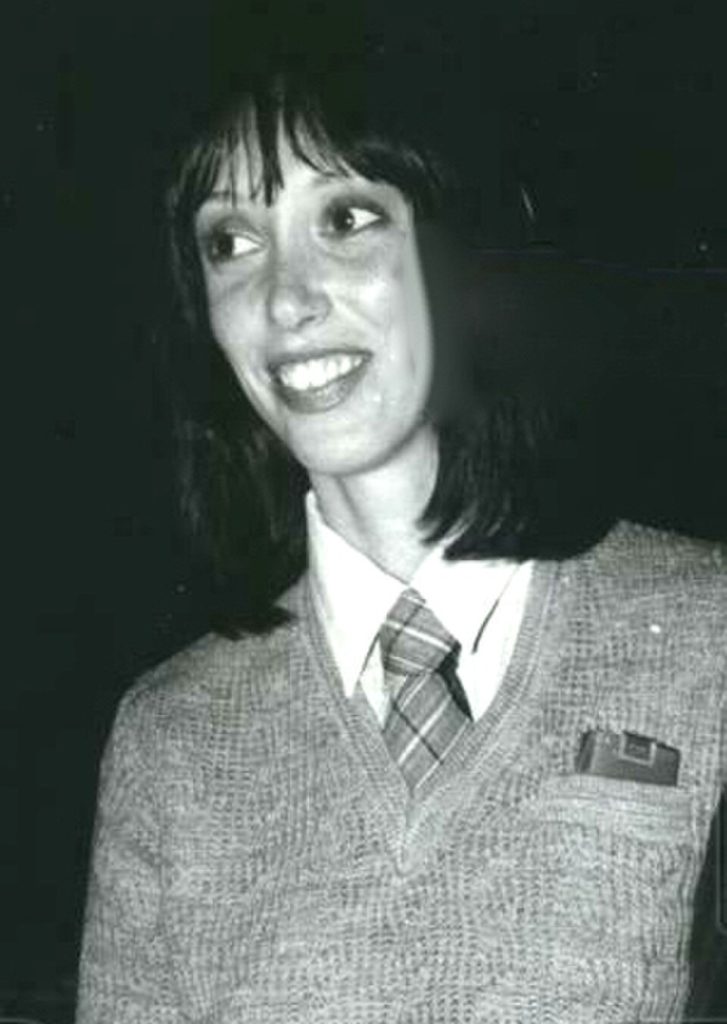
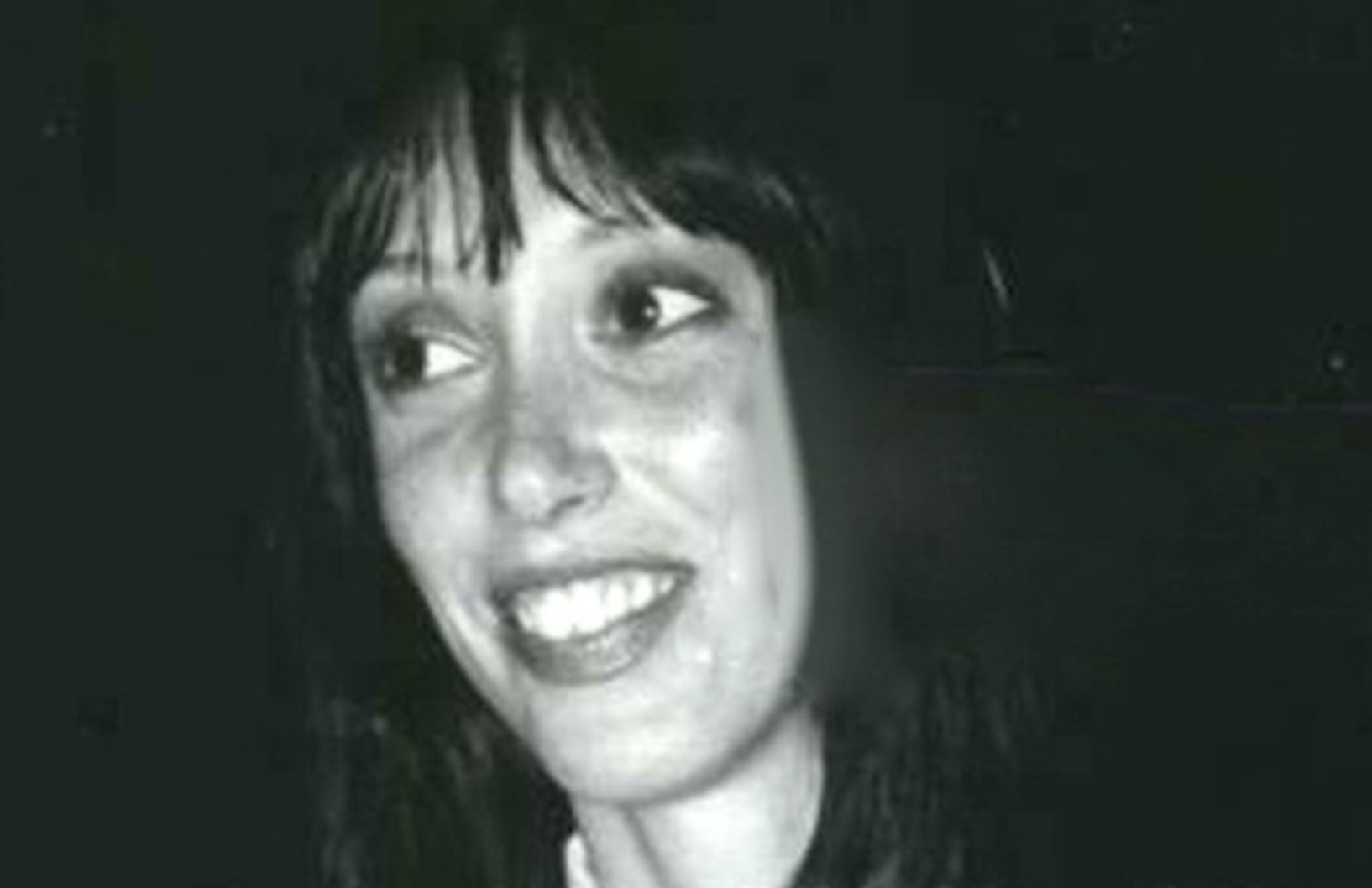
Shelley Duvall was a promising actress on an upward trajectory when she was cast in Stanley Kubrick’s psychological horror masterpiece ‘The Shining.’ While the film became iconic, the experience behind the camera was brutal. Kubrick’s notoriously exacting style meant that scenes were shot over and over again, with Duvall expected to maintain a state of genuine terror and exhaustion throughout. The relentless process wore her down in ways that extended far beyond the set, and she stepped back from acting for a significant period afterward to recover.
Jake Lloyd, ‘Star Wars: The Phantom Menace (Episode I)’ (1999)
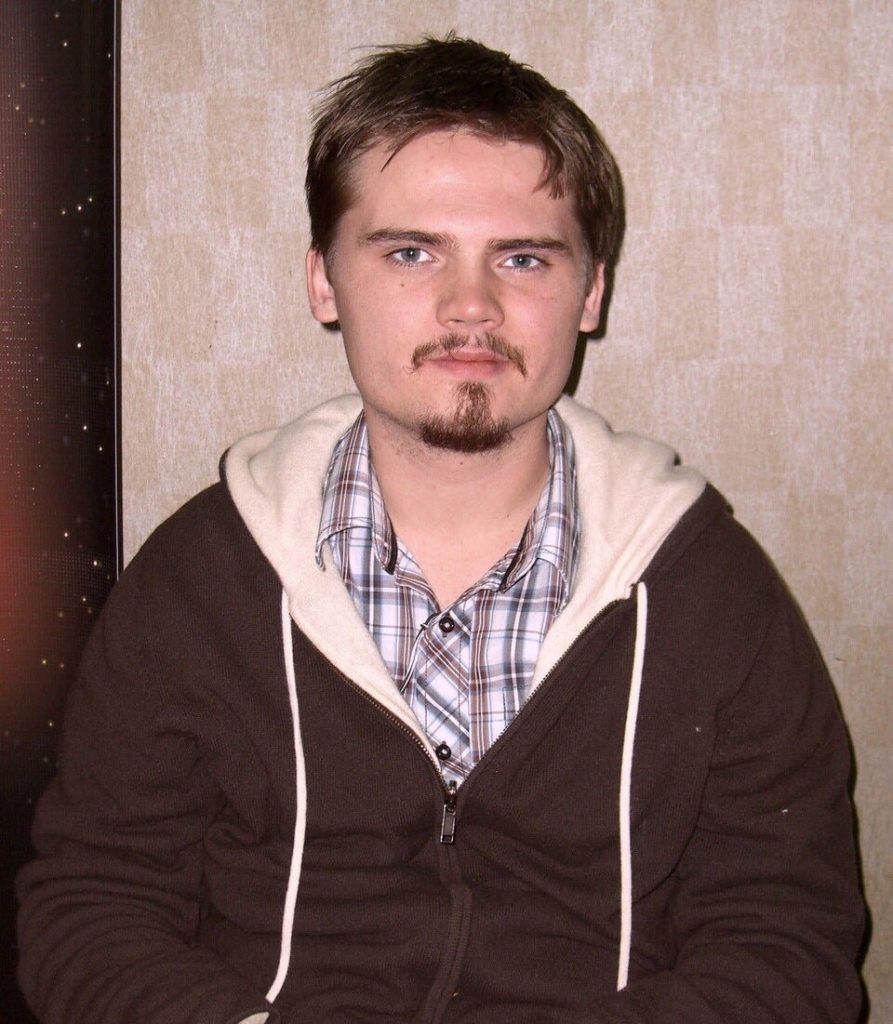
Jake Lloyd was barely nine years old when he was cast as the young Anakin Skywalker, and almost overnight he went from an ordinary child to one of the most recognizable faces on the planet. The demands that followed were staggering, with some days requiring him to sit through dozens of interviews back to back. At school, rather than being celebrated, he was targeted by classmates who bullied him relentlessly. The combination of overwhelming professional obligations and daily torment at such a young age left him deeply disillusioned, and he had no interest in continuing an acting career once it was over.
Greta Garbo, ‘The Two-Faced Woman’ (1941)
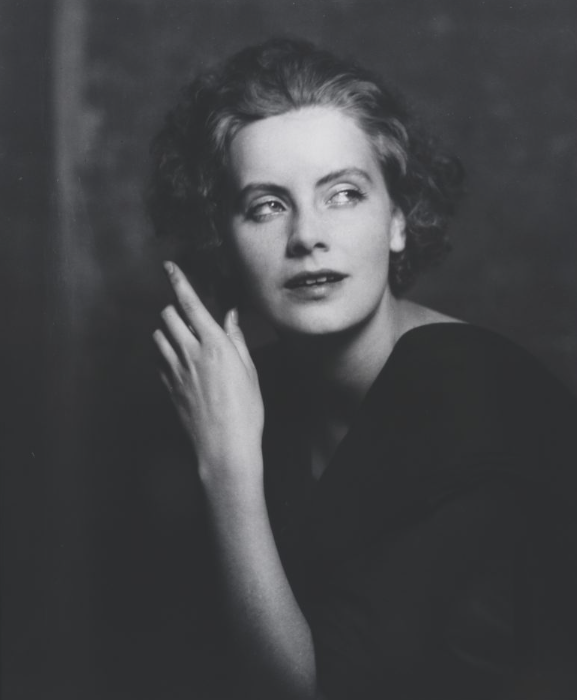
Greta Garbo was one of the most magnetic screen presences of the 1930s, yet she was never entirely comfortable with the world that stardom created around her. A persistent undercurrent of sadness ran through her relationship with the industry, and by the time she was offered the lead in the 1941 comedy ‘The Two-Faced Woman,’ her enthusiasm was essentially gone. She accepted the role without conviction, and when critics tore the film apart, it proved to be the final push she needed. At just 36, despite an Honorary Academy Award and a filmography spanning 27 features, she walked away from public life completely and spent the remaining decades of her life in near-total seclusion until she passed away in 1990.
Mara Wilson, ‘Matilda’ (1996)
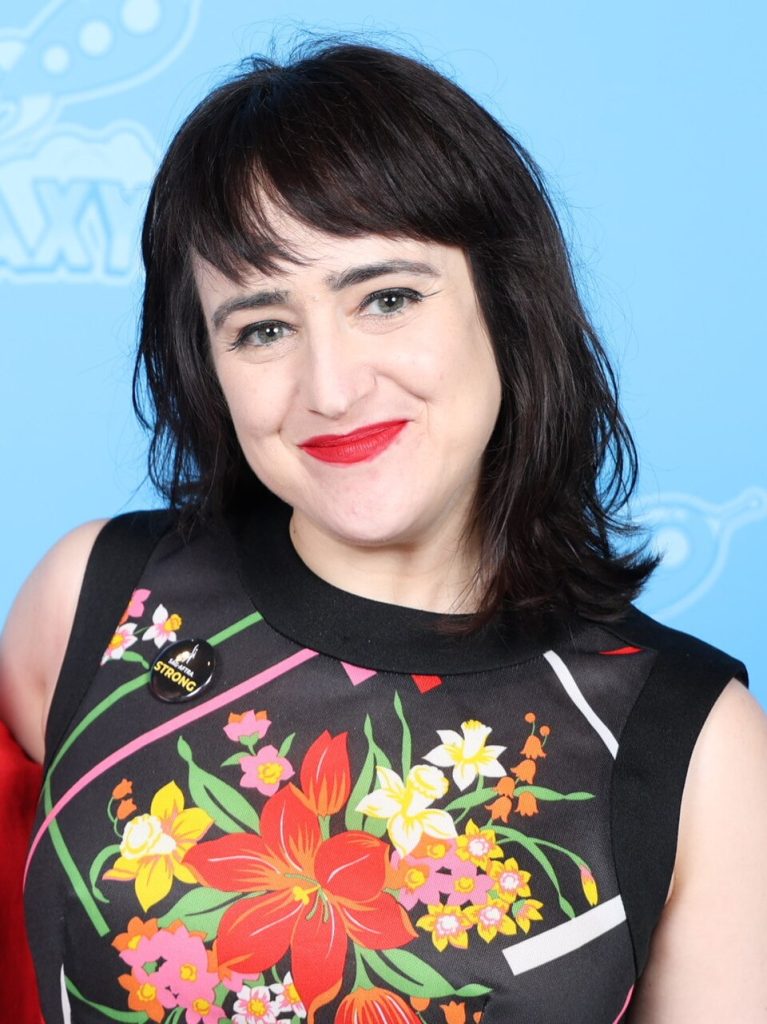
Mara Wilson was one of the defining child stars of the 1990s, appearing in beloved films including ‘Mrs. Doubtfire’ (1993), ‘Miracle on 34th Street’ (1994), and ‘Matilda’ (1996). But the filming of ‘Matilda’ carried an unbearable personal weight. While production was underway, Wilson lost her mother to breast cancer, and the finished film was dedicated in her memory. Grieving while simultaneously being expected to perform took an enormous toll, and Wilson needed years away from the screen to process what she had been through. She eventually found her footing again through writing, and cautiously returned to acting in 2012.
Hayden Christensen, ‘Star Wars: Revenge of the Sith (Episode III)’ (2005)
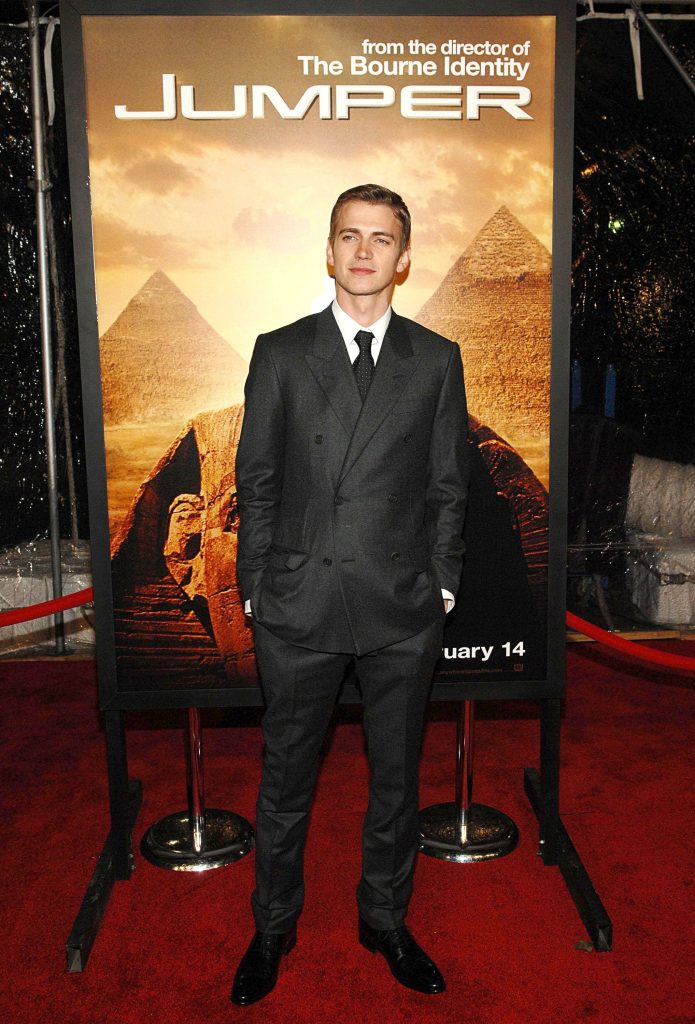
Hayden Christensen was only 19 years old when George Lucas selected him to play Anakin Skywalker, a choice that seemed to promise a career-defining launch into Hollywood’s upper tier. Instead, the widespread criticism of his acting in the prequel trilogy left him questioning whether his success had been earned or simply handed to him by circumstance. Unable to shake the self-doubt, he distanced himself from the entertainment world and retreated to a quiet farming life, largely disappearing from public view before eventually accepting smaller acting opportunities years later.
Gene Hackman, ‘Welcome to Mooseport’ (2004)
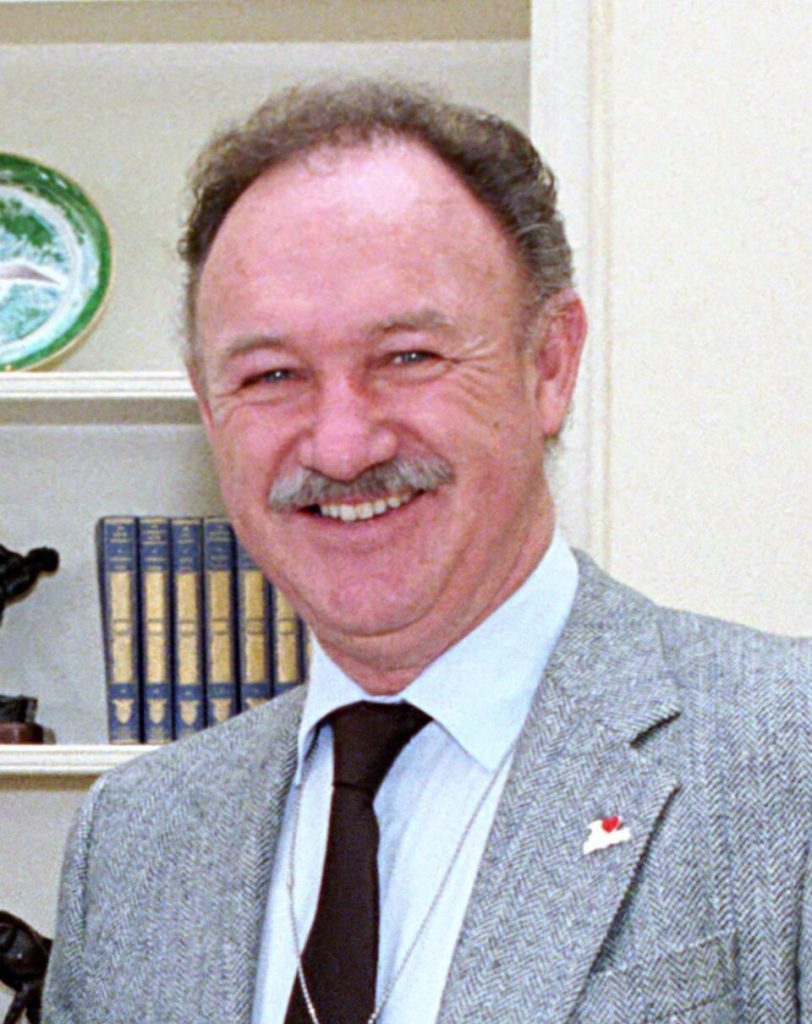
Gene Hackman spent much of his career inhabiting tough, complex characters with a fierce authenticity that made him one of Hollywood’s most respected performers. By the time he appeared in the 2004 comedy ‘Welcome to Mooseport,’ however, his passion for the craft had clearly run its course. The film performed poorly, and Hackman’s detachment from the whole affair was evident. He did not attend the premiere and wasted little time before announcing his retirement from acting.
Heather Donahue, ‘The Blair Witch Project’ (1999)
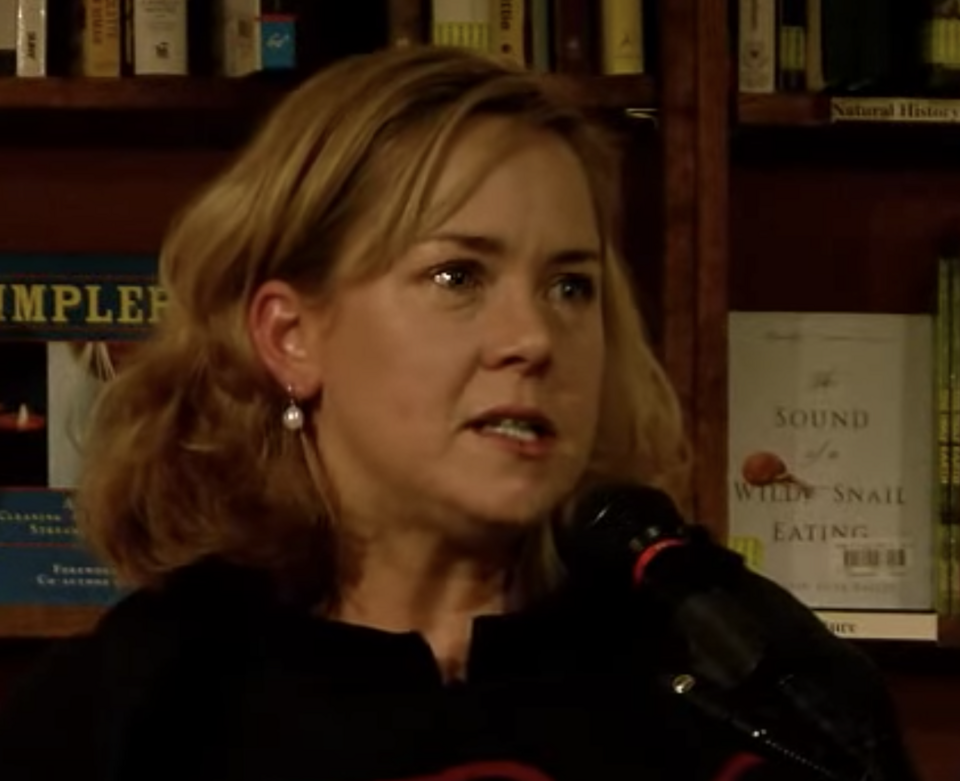
Heather Donahue’s performance in ‘The Blair Witch Project’ helped turn the low-budget found-footage film into a cultural phenomenon, and she left the experience fully intending to build on that momentum. The opportunities she hoped for never materialized. For the better part of a decade, she kept trying to break through, but meaningful roles remained out of reach. Eventually, she reached a point of acceptance and made peace with the fact that her work in that one film represented the high point of her screen career. In a gesture of closure, she collected everything connected to her acting life and burned it all in the desert.
Daniel Day-Lewis, ‘Phantom Thread’ (2017)
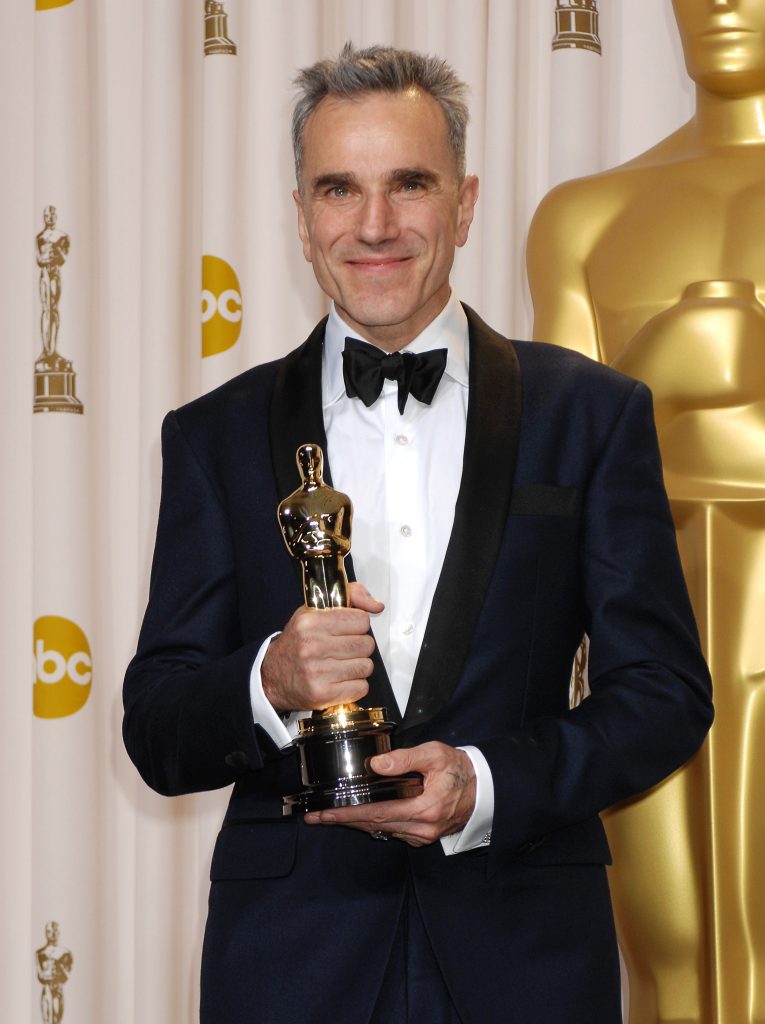
Daniel Day-Lewis has long been considered among the most gifted and dedicated actors of his era, approaching every role with an intensity that few could match. His final film, ‘Phantom Thread’ (2017), left him in an unexpectedly dark emotional place. He found himself unable to shake a profound sadness that settled over him during filming and lingered long after the cameras stopped rolling. Reflecting on the experience, he acknowledged that the feeling was not tied to any dissatisfaction with his own work, saying it arrived through the process of inhabiting the story itself, though he could not fully explain why. That experience was enough to convince him the time had come to stop.
Carrie Henn, ‘Aliens’ (1986)
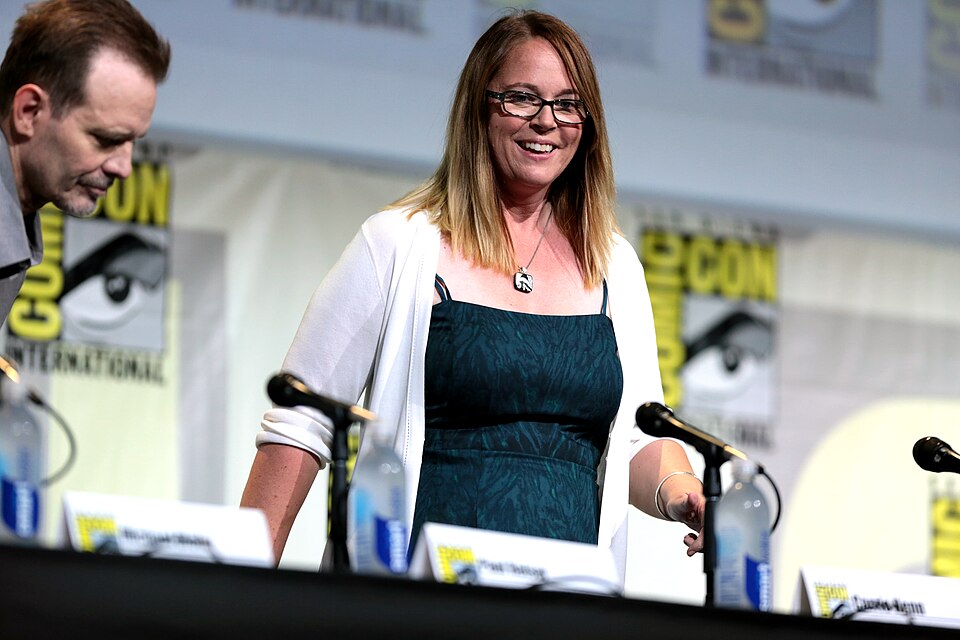
Carrie Henn had never set foot on a professional film set when James Cameron cast her as Newt in ‘Aliens’ at the age of nine. Cameron saw something in her that no amount of training could manufacture, and she delivered a performance that resonated strongly with audiences alongside Sigourney Weaver. Despite that success, the prolonged absences from home that came with filming were something she found genuinely hard. When it was over, she chose family over further pursuit of a screen career.
Peter Ostrum, ‘Willy Wonka and The Chocolate Factory’ (1971)
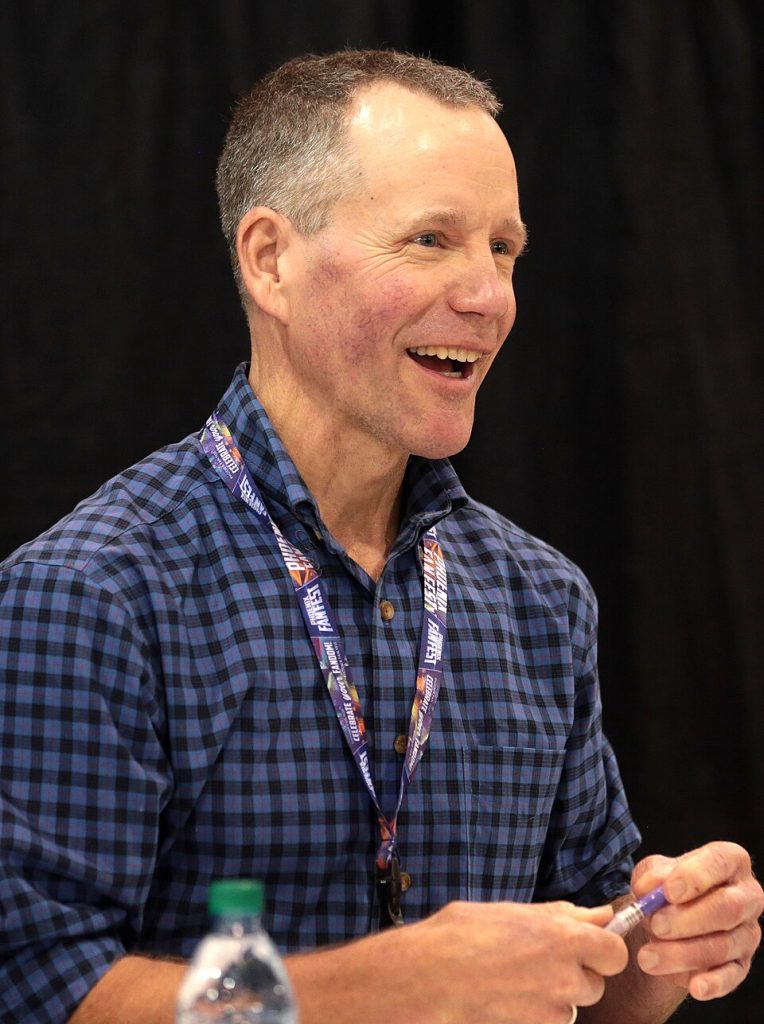
Peter Ostrum was twelve years old and completely new to acting when casting agents selected him to play Charlie in ‘Willy Wonka and The Chocolate Factory.’ The role was a remarkable one for anyone, let alone a child with no prior experience. When it ended, he faced a simple and honest question about whether acting was actually something he wanted to do with his life. The answer was no. He turned down every subsequent offer, focused on his education, and eventually became a veterinarian, finding his true purpose far from the film industry.
Featured Image : Commons Wikimedia