The Royal Match Queen Elizabeth II’s Mother Wanted Instead of Prince Philip

Royal marriages are often shaped by duty, tradition, and public expectations as much as by love. While many royal romances appear like fairy tales, behind the scenes they can involve family opinions, political considerations, and difficult personal choices.
One famous royal relationship even faced early doubts from those closest to the future bride, proving that the path to lasting love is not always straightforward.
A Different Royal Suitor Was Once Favored
Before Queen Elizabeth II’s legendary romance with Prince Philip became part of royal history, there was another man whom her family reportedly considered a more suitable match. According to royal historian Hugo Vickers, the Queen Mother hoped her daughter would marry Hugh, Earl of Euston, an English aristocrat with impeccable credentials.
At the time, royal marriages were often viewed as matters of duty and tradition rather than personal preference. Choosing a husband with the right social standing was considered essential for preserving the monarchy’s image and long-standing customs.
Why the Earl of Euston Was Seen as the Ideal Choice
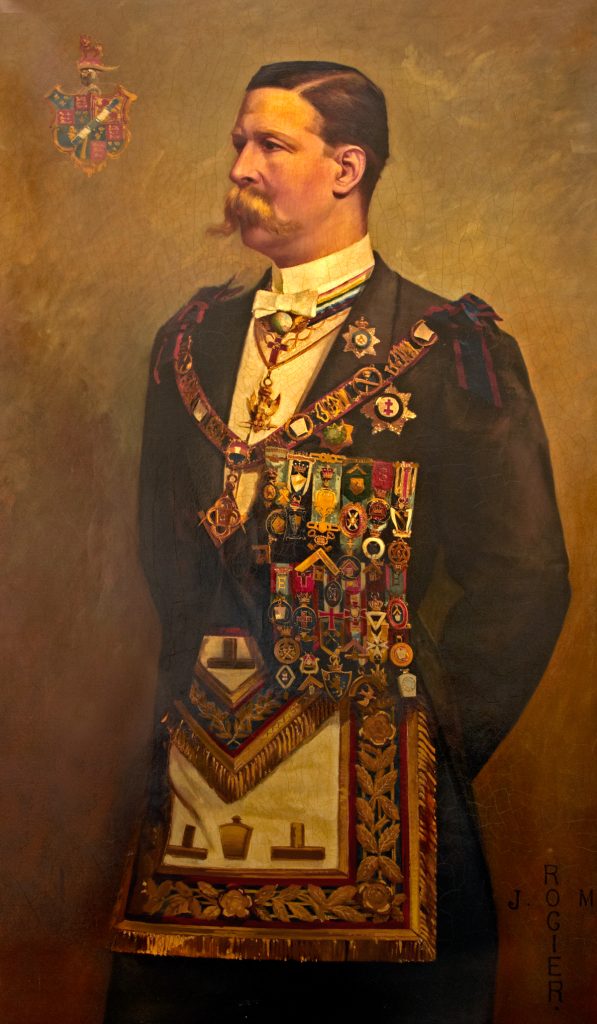
regalia.jpg#/media/File:The_Earl_of_Euston_wearing_Masonic_regalia.jpg
Hugh, Earl of Euston, later the 11th Duke of Grafton, came from one of Britain’s most distinguished noble families. As a respected Grenadier Guard officer and aristocrat, he embodied many of the qualities the Queen Mother reportedly valued in a future royal husband.
Many royal experts believe his established aristocratic background made him a safer and more conventional choice. From a traditional perspective, he appeared to fit the expectations placed upon a future queen’s spouse far better than Prince Philip initially did.
Queen Elizabeth Followed Her Heart
Prince_Philip_en_route_to_Eagle_Farm_Airport,_Brisbane,_Queensland,_1954.jpg#/media
/File:StateLibQld_1_210936_Queen_Elizabeth_II_and_Prince_
Philip_en_route_to_Eagle_Farm_Airport,_Brisbane,_Queensland,_1954.jpg
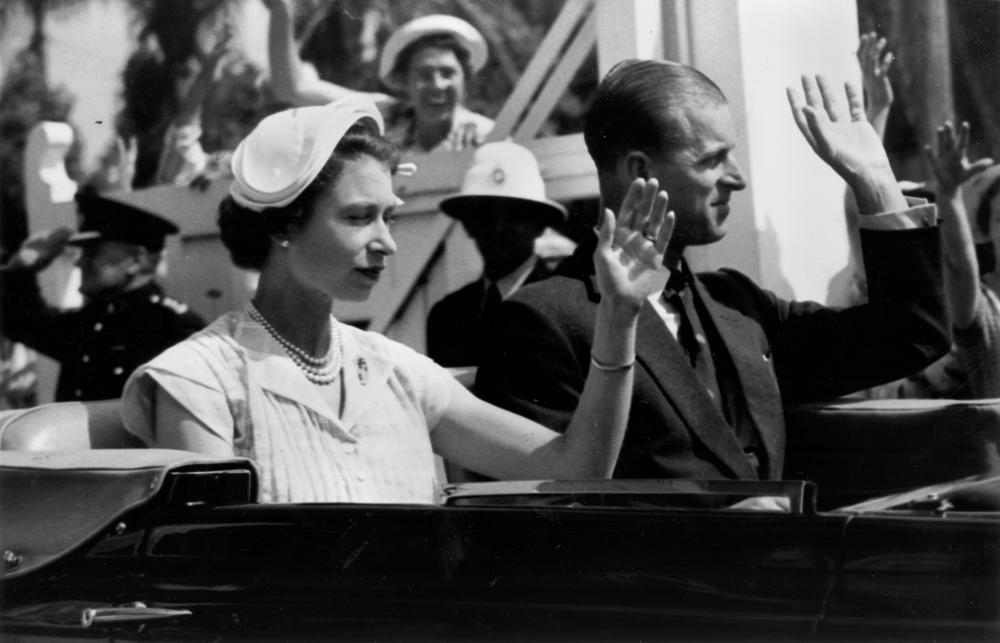
Despite the Queen Mother’s reported preference, Princess Elizabeth remained devoted to Prince Philip. Their relationship deepened over several years, and she was determined to marry the man she loved rather than simply accept the match others preferred.
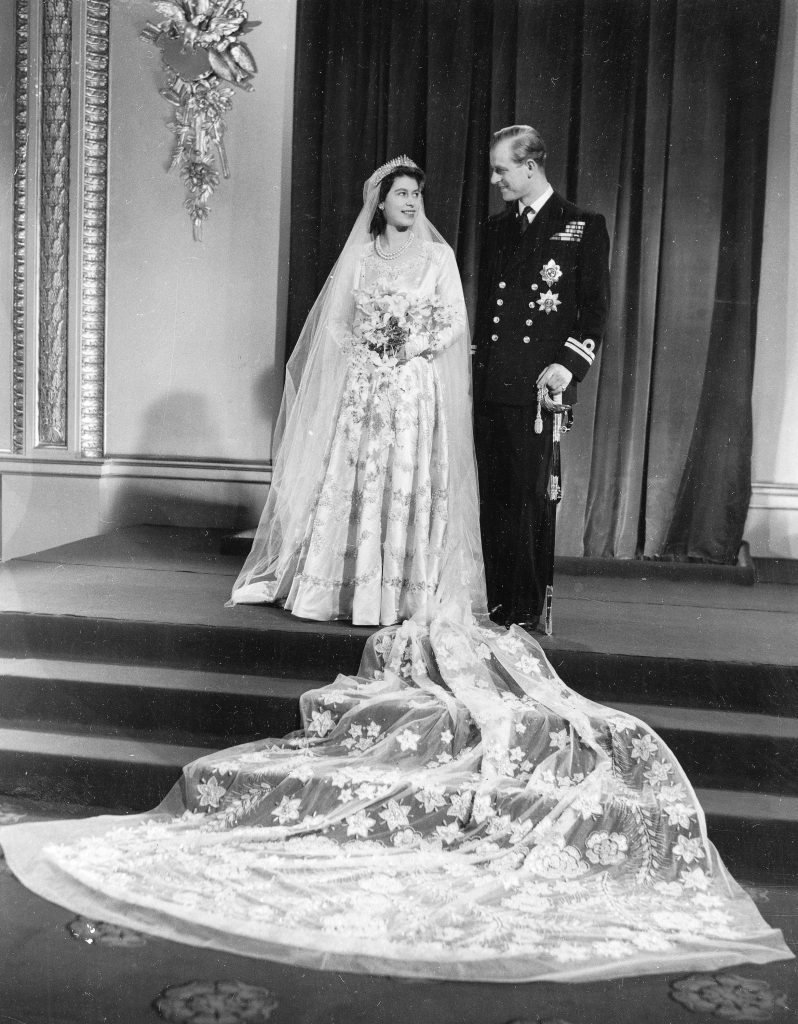
The couple announced their engagement in 1947 and married later that year in a ceremony watched by millions around the world. Their union demonstrated that even within the rigid traditions of the monarchy, personal affection could triumph over outside expectations.
A Marriage That Defied Early Doubts
/media/File:Princess_Elizabeth_and_Duke_of_Edinburgh_wedding_portrait.jpg
Prince Philip’s background initially raised concerns among some members of the royal establishment. Although born into the Greek and Danish royal families, his circumstances were viewed by some as less stable than those of Britain’s traditional aristocracy.
Over the decades, however, Philip proved to be one of the monarchy’s strongest supporters. He devoted his life to public service and stood beside Queen Elizabeth through historic events, helping modernize the institution while remaining a steadfast partner.
One of History’s Most Enduring Royal Love Stories
/media/File:Elizabeth,_Philip,_Charles_and_Anne.jpg
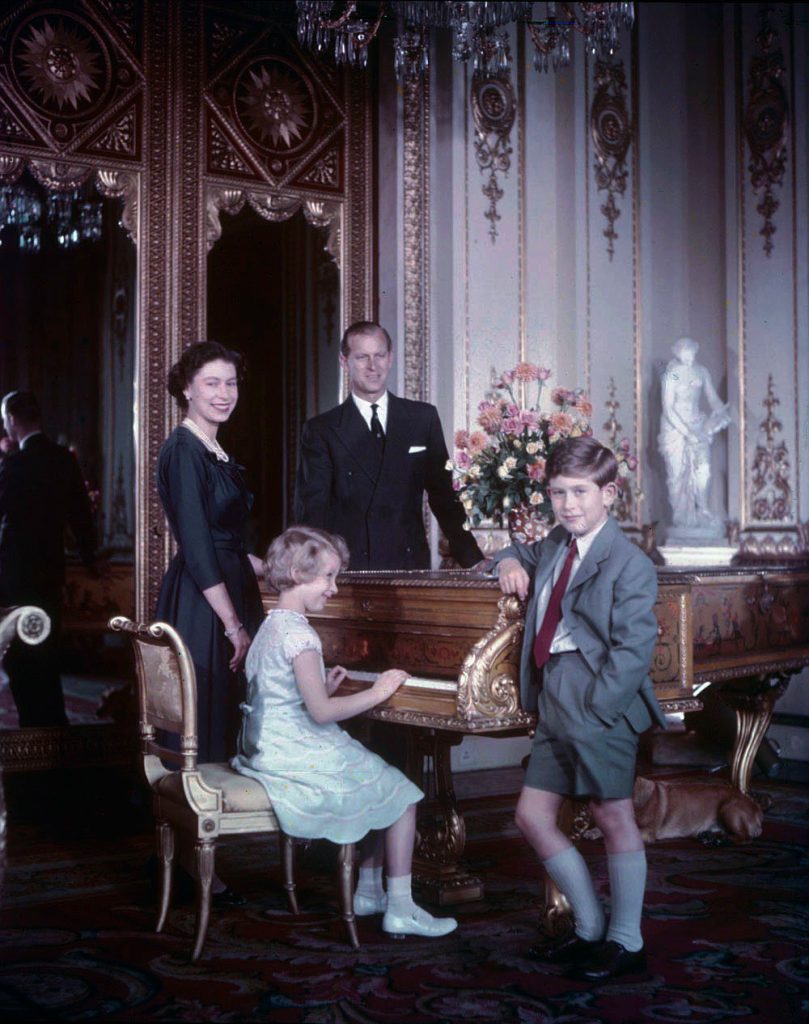
Queen Elizabeth II and Prince Philip shared more than seven decades of marriage, making theirs one of the longest-lasting royal unions in British history. Together they raised four children while navigating changing public expectations and enormous constitutional responsibilities.
Although historians continue to discuss the alternative match once favored by the Queen Mother, history ultimately unfolded differently. Queen Elizabeth’s decision to marry Prince Philip created a partnership remembered not only for its longevity but also for its loyalty, resilience, and lasting impact on the British royal family.
Featured Image Source: Shutterstock