
History is filled with remarkable individuals whose ideas, inventions, and achievements seemed almost unbelievable when they first appeared. Many faced skepticism, criticism, or outright rejection because the world around them was not yet ready for what they envisioned.
In some cases, their work transformed science and technology. In others, they challenged social norms, pioneered new artistic movements, or advocated for changes that would only gain widespread acceptance years later.
Nikola Tesla
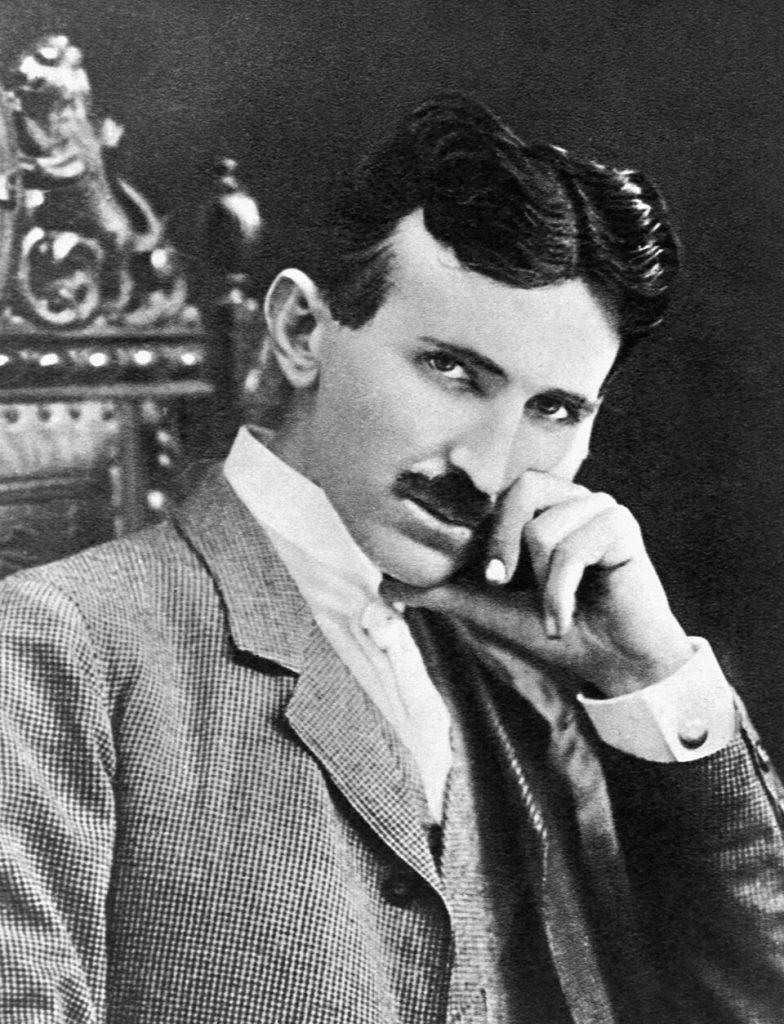
Nikola Tesla imagined technologies that sounded impossible during his lifetime. His work on alternating current electricity helped transform the modern world, while his visions of wireless communication and global information networks anticipated aspects of today’s connected society.
Galileo Galilei
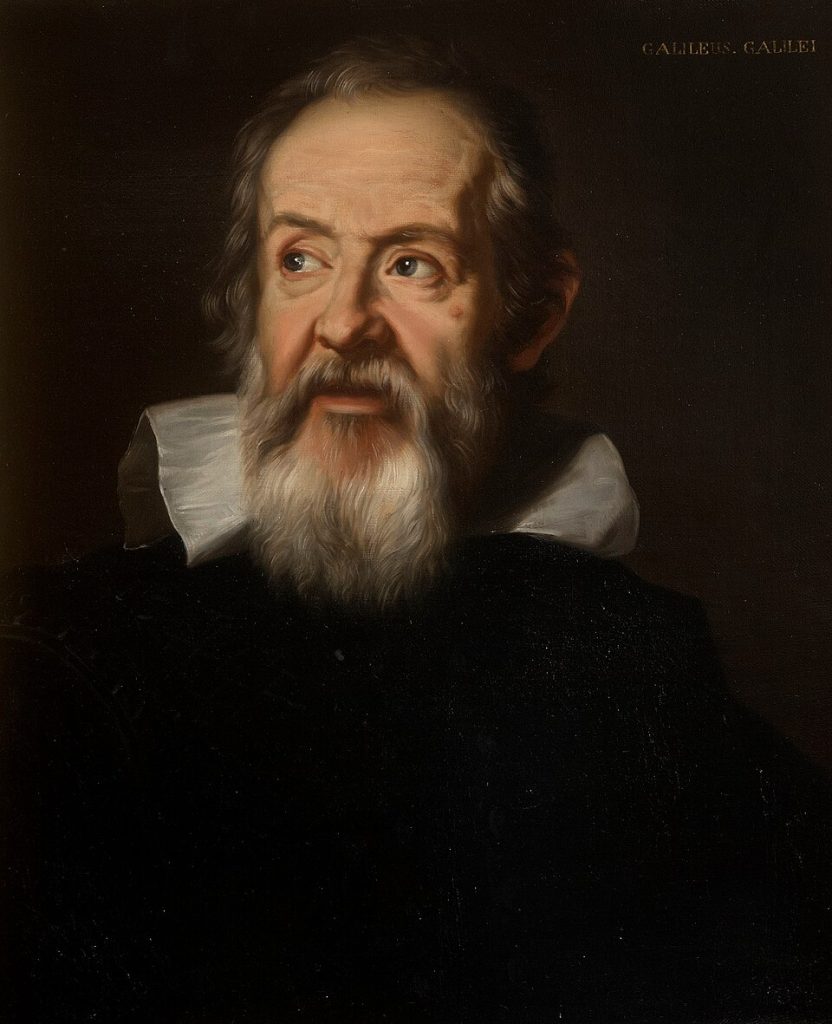
Galileo challenged widely accepted beliefs about the universe. His observations supported the idea that Earth revolves around the Sun, a position that was highly controversial in his era. Today, his contributions are considered foundational to modern astronomy and scientific inquiry.
Alan Turing
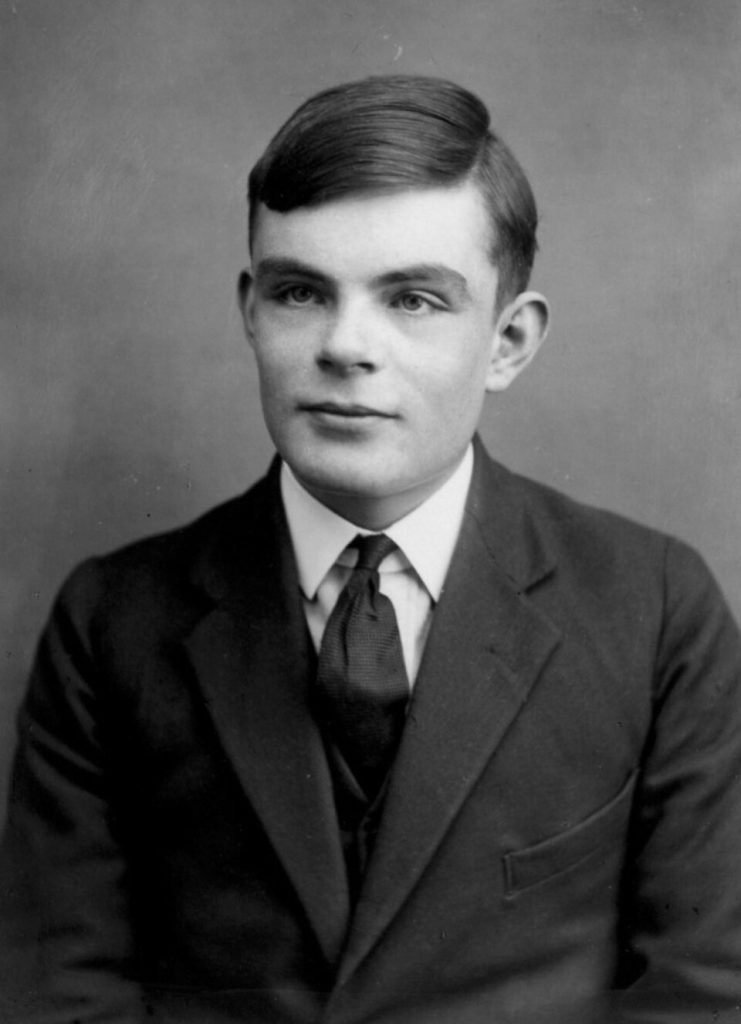
Alan Turing helped lay the groundwork for computer science and artificial intelligence. His theoretical work on computing machines transformed how future generations understood information processing. Many of the technologies people use today can trace their origins to concepts Turing explored decades earlier.
Hedy Lamarr

Hedy Lamarr achieved fame as a Hollywood actress, but she was also an inventor. During World War II, she co-developed frequency-hopping technology designed to improve secure communications. The principles behind her invention later contributed to technologies such as Wi-Fi, Bluetooth, and GPS.
Rachel Carson
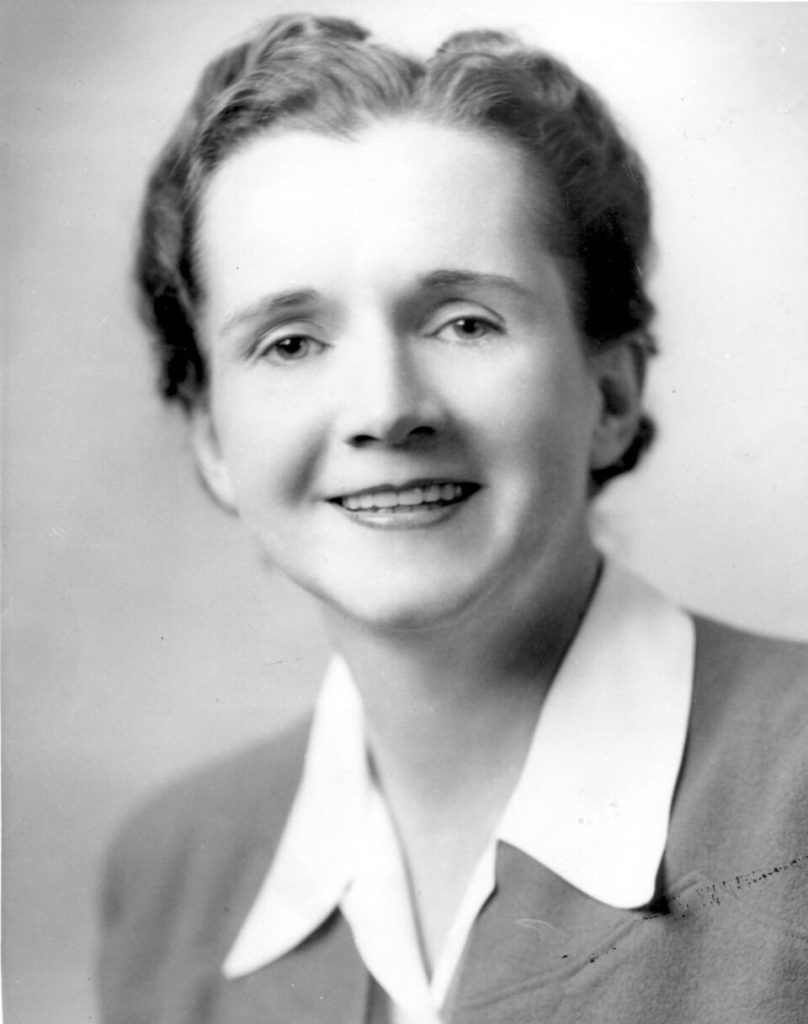
Rachel Carson transformed environmental awareness with her groundbreaking book Silent Spring. Her warnings about the effects of certain pesticides sparked conversations that helped launch the modern environmental movement. Many of her concerns became widely recognized years after she first raised them.
George Orwell

George Orwell’s novels explored themes of surveillance, misinformation, and government control. Works such as 1984 remain remarkably relevant in discussions about technology, privacy, and political power. His observations continue to influence public debate decades after they were written.
Mary Wollstonecraft
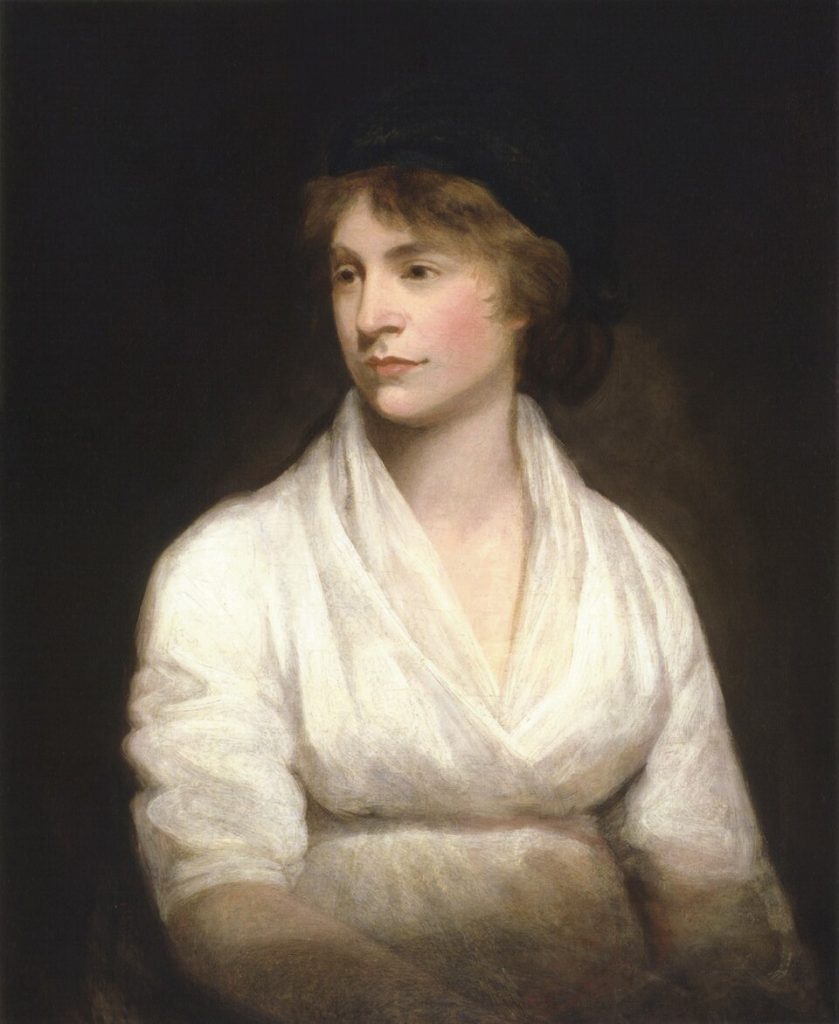
Mary Wollstonecraft argued for women’s education and equal rights in the eighteenth century. Her ideas challenged many social norms of her time and later became influential within feminist thought.
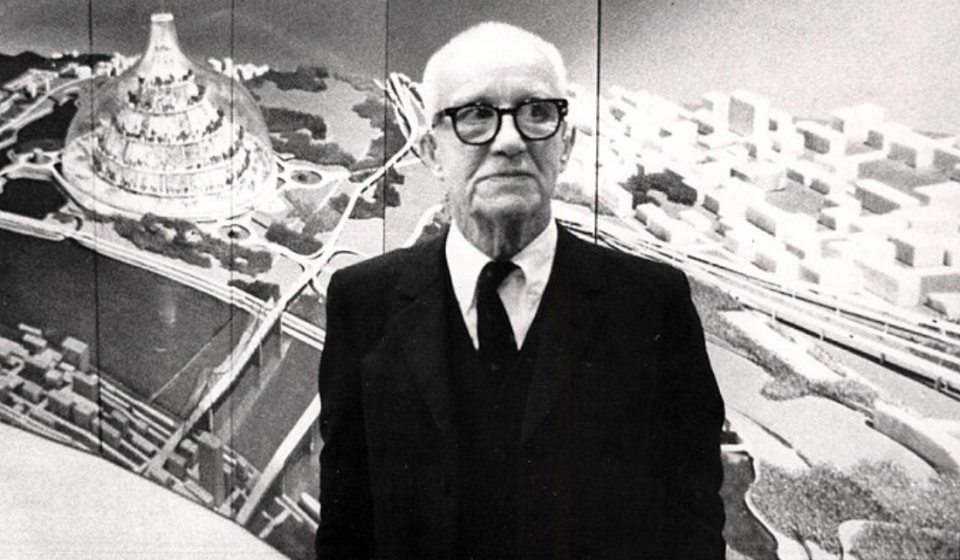
Buckminster Fuller
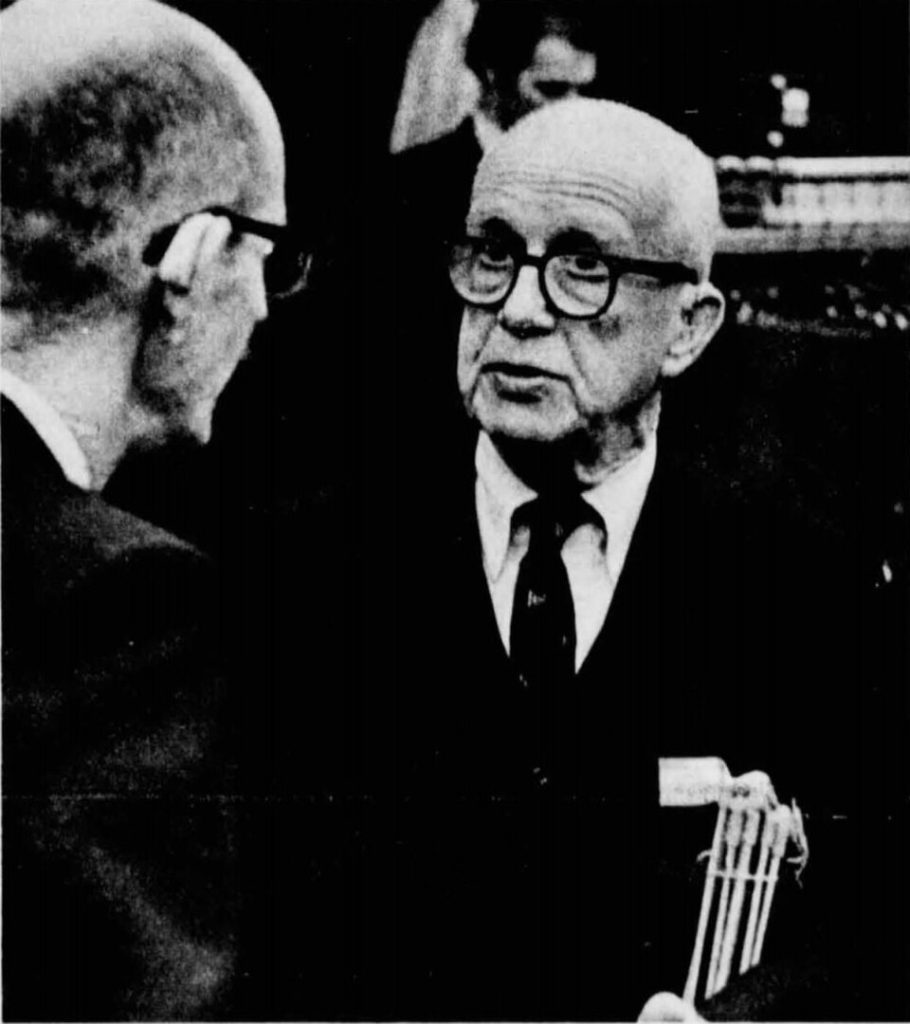
Buckminster Fuller was an architect, inventor, and futurist who constantly explored innovative approaches to design and sustainability. His ideas about efficient housing, resource management, and environmental responsibility anticipated many modern conversations about sustainable living. His influence extends across multiple fields.
Steve Jobs
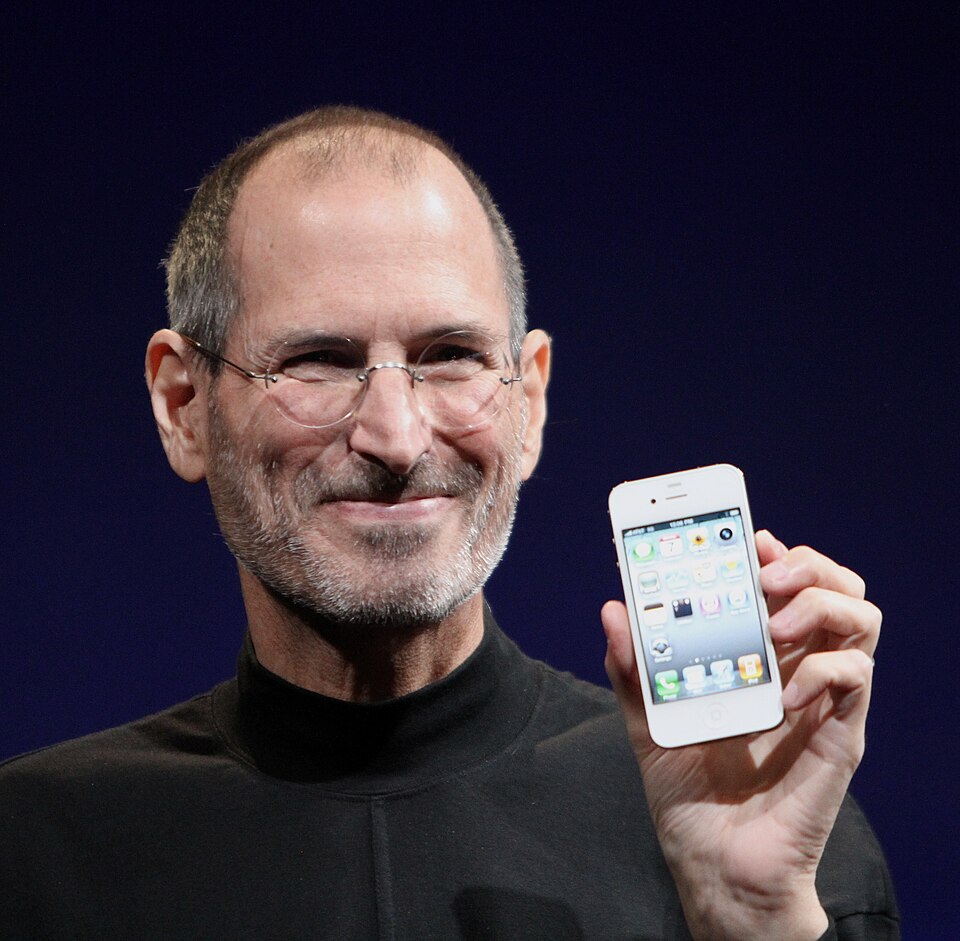
Steve Jobs believed technology should be powerful, intuitive, and accessible. His vision helped popularize products that changed how people communicate, work, and consume media.
Carl Sagan

Carl Sagan made complex scientific concepts accessible to the general public. He advocated for space exploration, scientific literacy, and the search for extraterrestrial life long before these topics became mainstream cultural conversations. His influence continues to inspire scientists and educators.
Martin Luther King Jr.
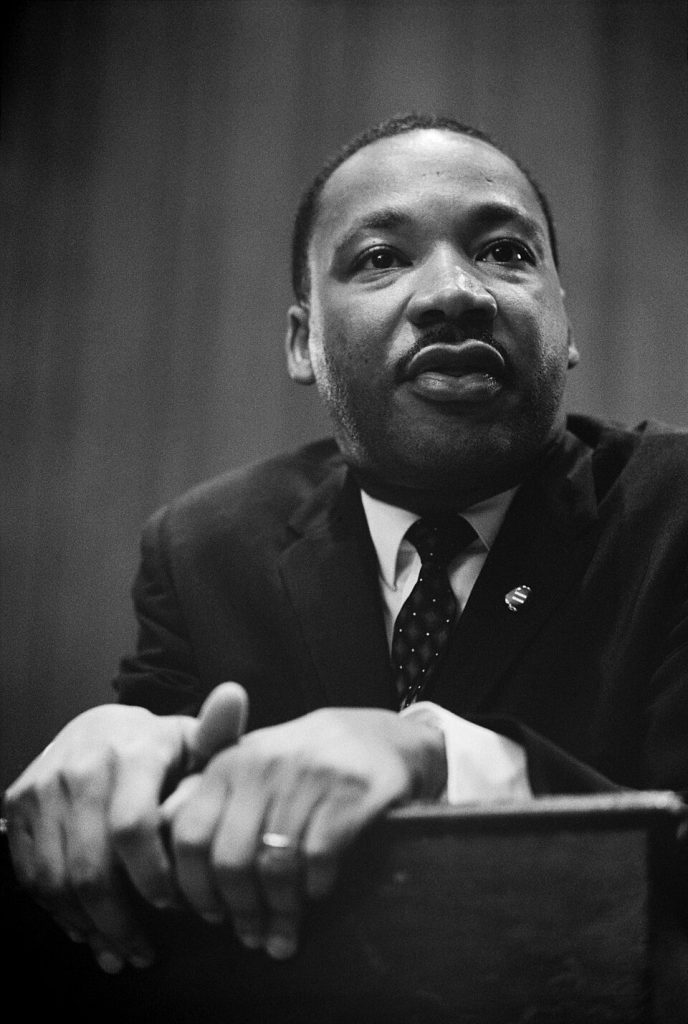
Martin Luther King Jr. championed civil rights, equality, and nonviolent social change during a deeply divided period in American history. Many of the principles he promoted later became central to broader social and political reforms. His legacy continues to shape discussions about justice and equality.
Susan B. Anthony
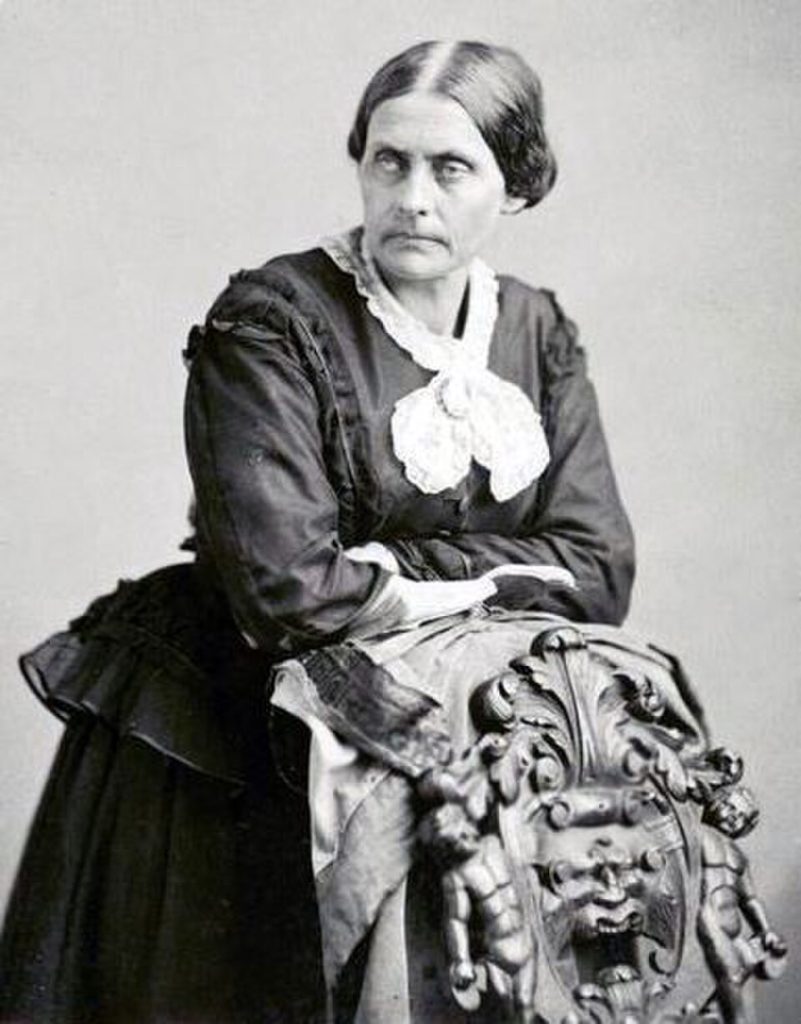
Susan B. Anthony spent decades advocating for women’s voting rights and equal participation in public life. The reforms she supported were often controversial during her lifetime but later became milestones in democratic progress. Her work helped change the course of American history.
Featured Image Source : Wikimedia Commons