
The silent film era represents the earliest days of cinema. In Hollywood, silent movies starred some truly original and innovative talent, famous names that still resonate throughout the world today.
Browse the gallery and meet some of the superstars who appeared on screen without uttering a word of dialogue, when silence was golden.
Charlie Chaplin (1889-1977)
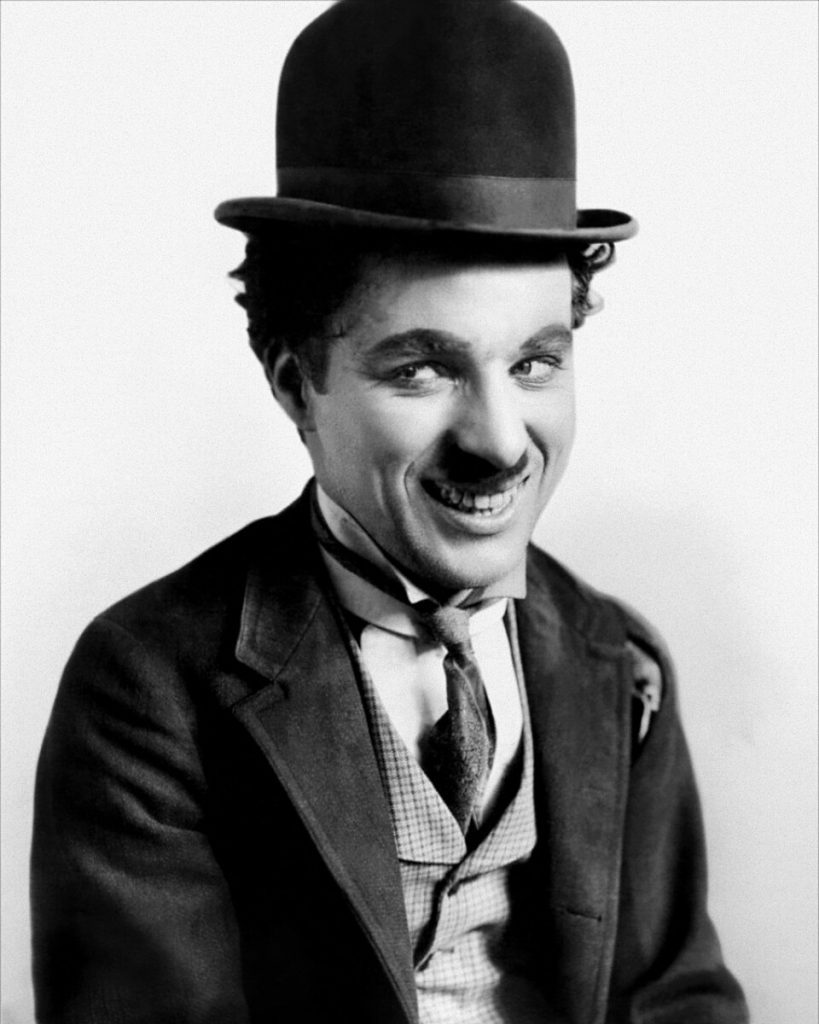
One of the most influential figures in the film industry, Charlie Chaplin’s “Little Tramp” character has become an icon in world cinema.
Charlie Chaplin in ‘The Gold Rush’ (1925)
There is a famous scene where Chaplin sits down and dines on his own shoes. He personally declared this film to be the one he most wanted to be remembered for.
Douglas Fairbanks (1883-1939)
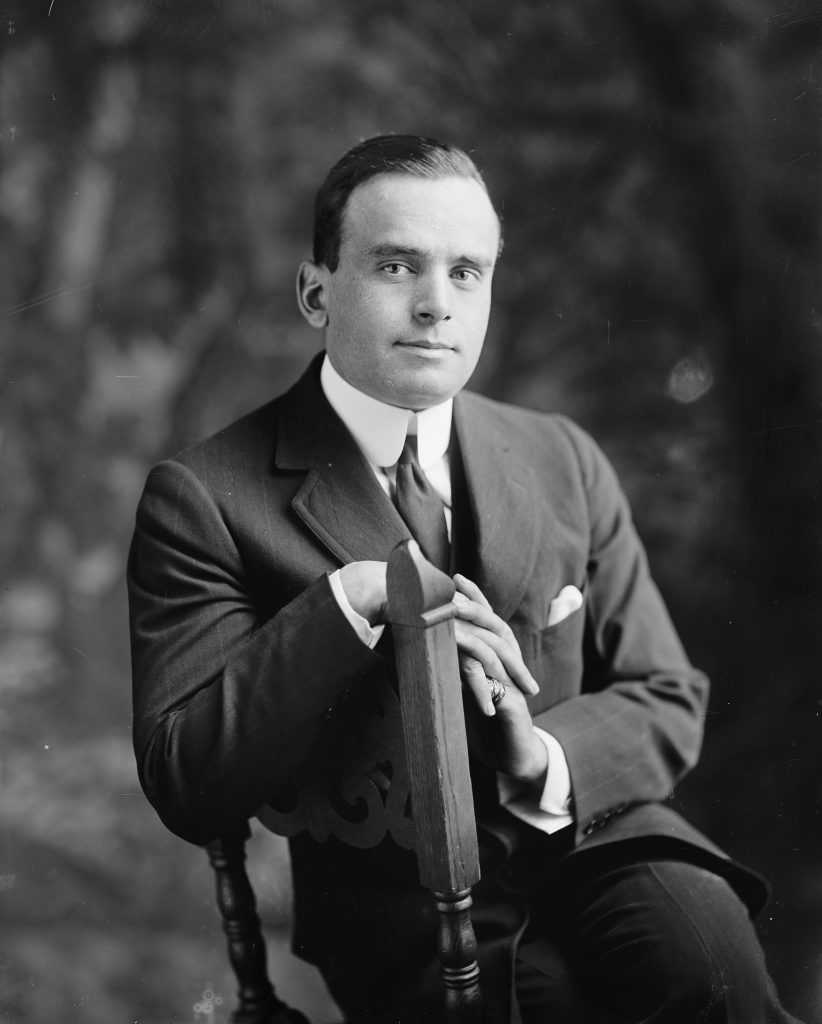
Hollywood’s original swashbuckler, Fairbanks was also a founding member of the Academy of Motion Picture Arts and Sciences and hosted the first Oscars Ceremony in 1929.
Douglas Fairbanks in ‘Robin Hood’ (1922)
A dashing and flamboyant Robin Hood, Fairbanks helped set the tone for later action-adventure movies. Worth noting is that this was the first motion picture ever to have a Hollywood premiere.
Harold Lloyd (1893-1971)
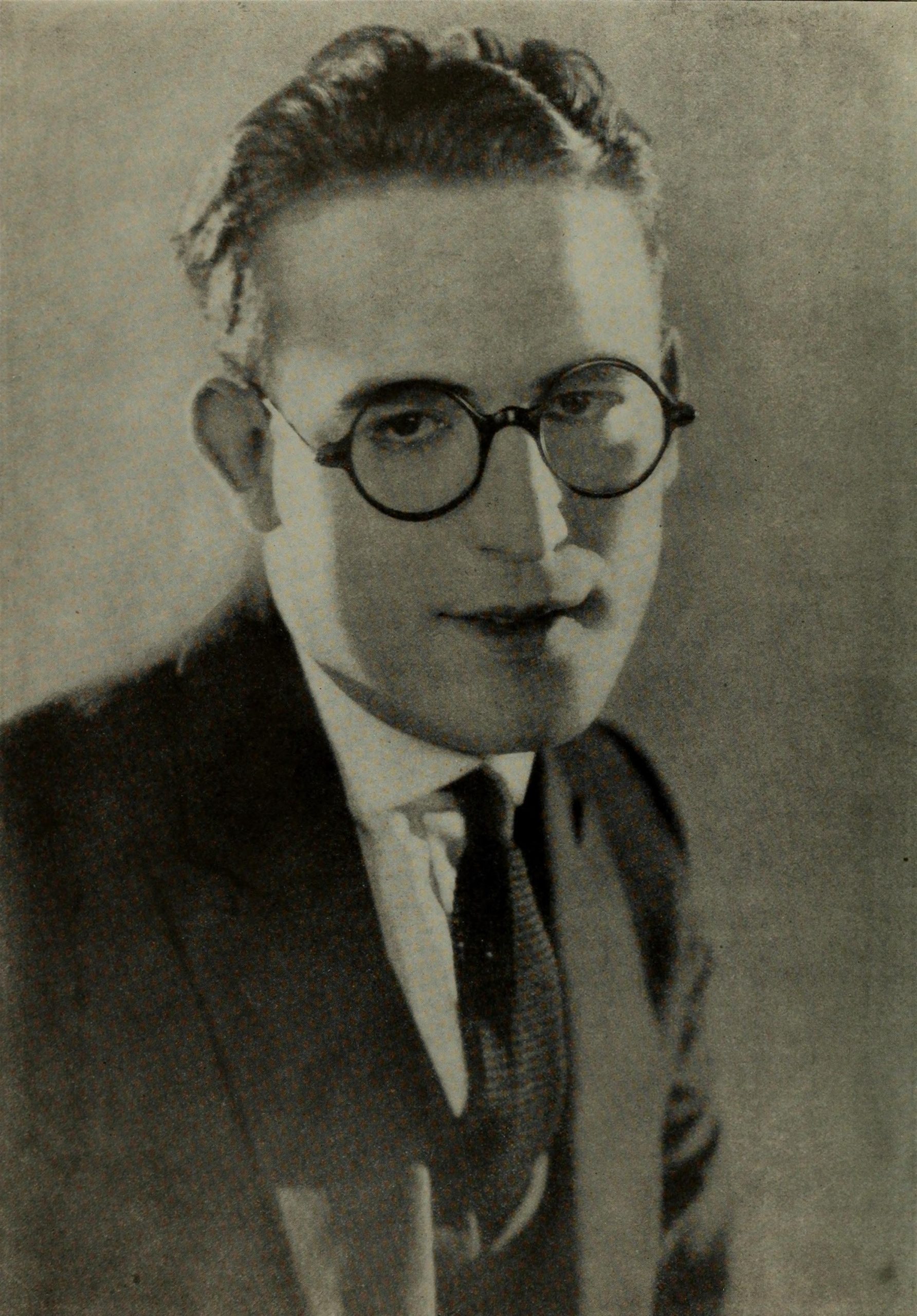
Lloyd was one of the most popular and successful film comedians of the silent era and was widely known for his daredevil stunts.
Harold Lloyd in ‘Safety Last!’ (1923)
Among his most memorable was the famous hanging clock sequence, which remains arguably the most recognized image in silent film history.
Buster Keaton (1895-1966)
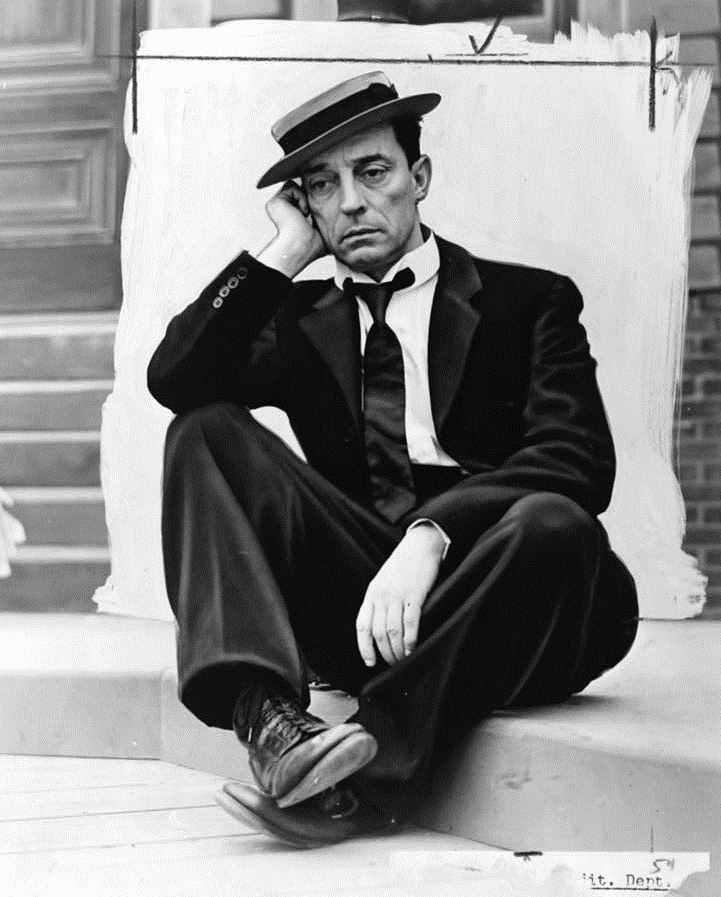
Admired as much for his physical comedy as his trademark deadpan expression, Keaton is consistently ranked among the greatest stars of the silent era.
Buster Keaton in ‘The General’ (1926)
Widely regarded as his masterpiece, the film concludes with a climactic train wreck sequence, a shot that cost US$42,000 to film, making it the most expensive single shot in silent film history.
Rudolph Valentino (1895-1926)
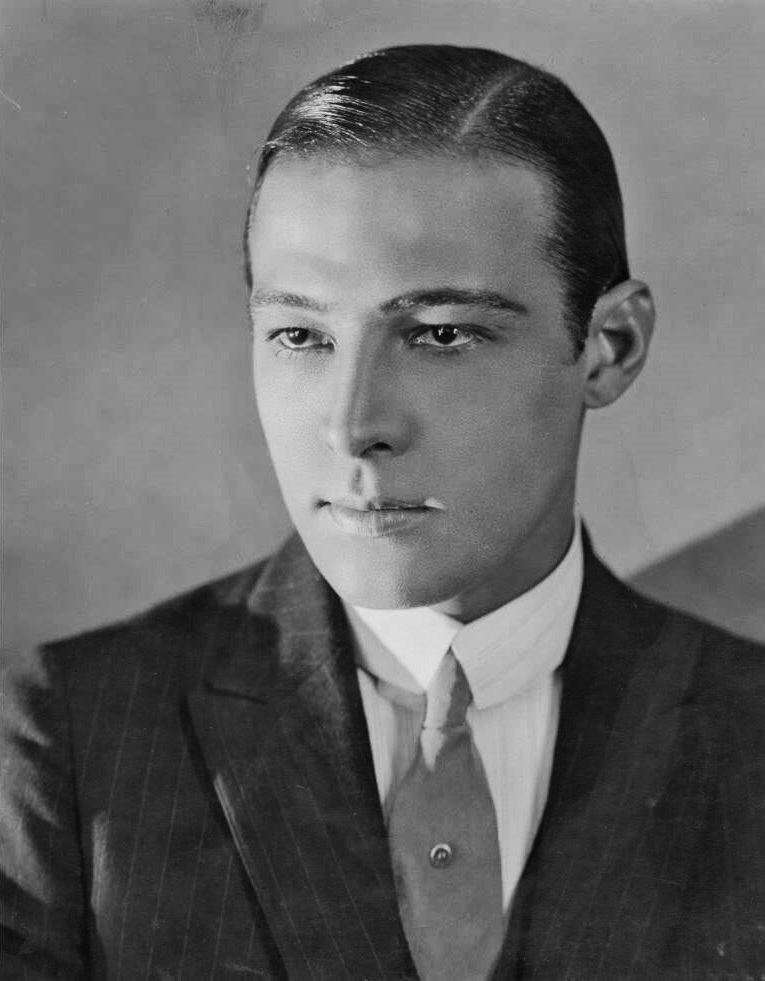
The handsome Italian actor was an early Hollywood heartthrob, a 1920s icon whose premature death at the age of 31 prompted an outpouring of grief from fans around the world.
Rudolph Valentino in ‘The Sheik’ (1921)
His striking screen presence suited his role as Sheik Ahmed Ben Hassan perfectly in this romantic drama, which turned out to be a huge box-office hit.
Lillian Gish (1893-1993)
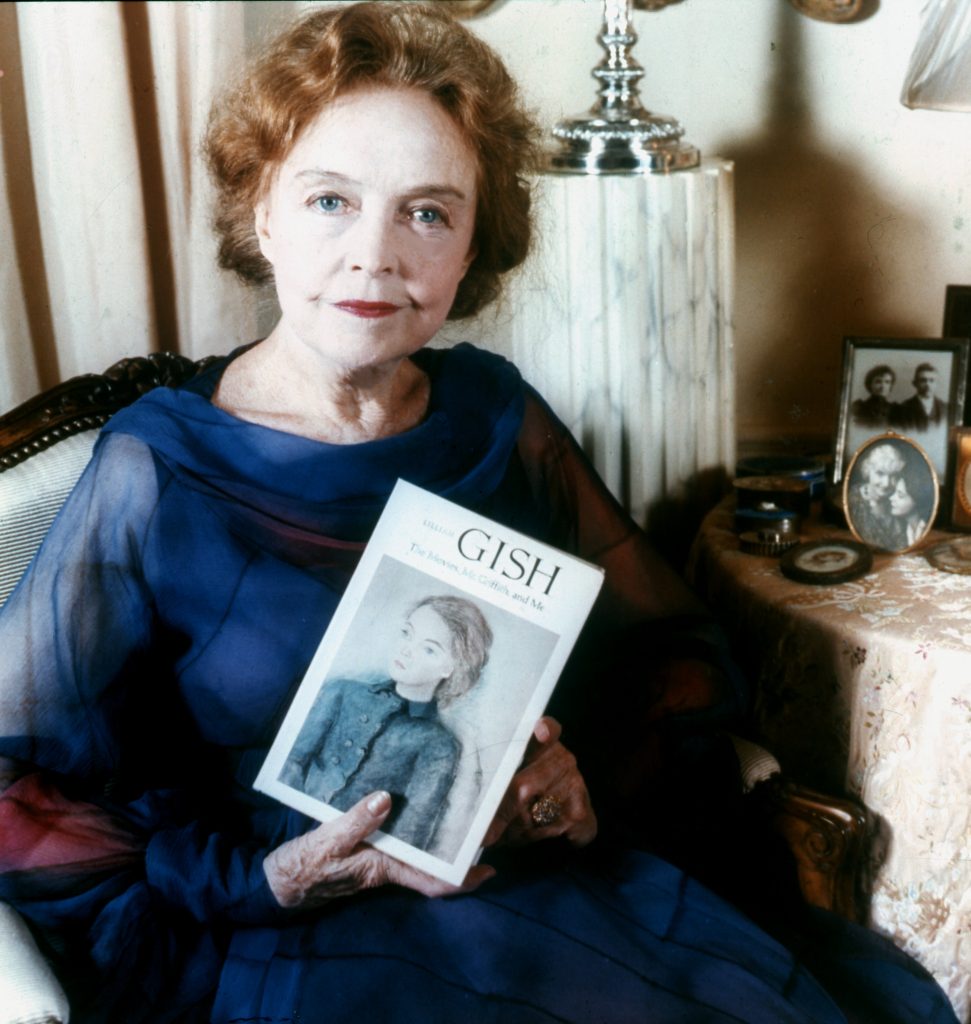
Source : Wikipedia
A screen and stage actor, as well as a writer and director, Gish has long been called “The First Lady of American Cinema.”
Lillian Gish in ‘Broken Blossoms’ (1919)
Gish appeared in many films directed by the celebrated D.W. Griffith, including this one, made four years after his landmark ‘Birth of a Nation,’ in which she also starred.
Jackie Coogan (1914-1984)
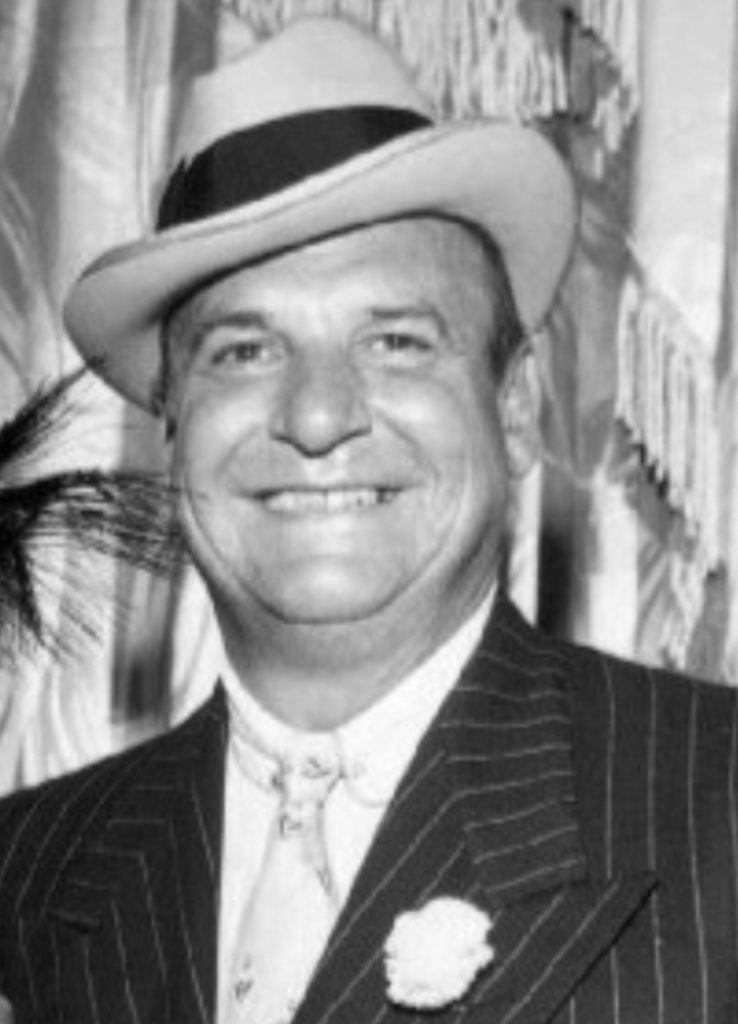
Recognized as one of the first child stars in cinema history, Coogan began appearing in both vaudeville and film at the tender age of three.
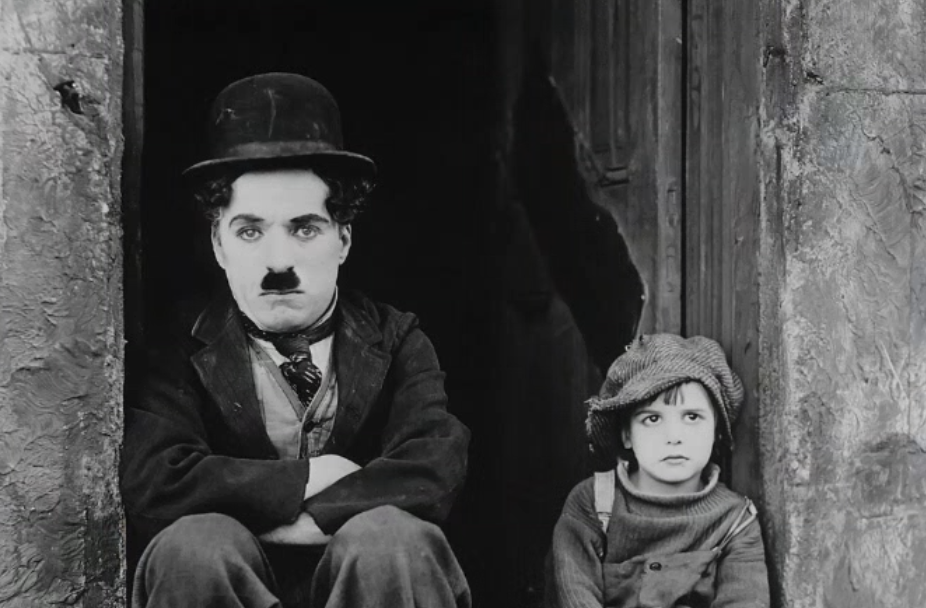
Jackie Coogan in ‘The Kid’ (1921)
One role that defined the rest of Coogan’s career was that of the adopted son and sidekick of Chaplin’s “Little Tramp” in the second-highest-grossing film of 1921.
Clara Bow (1905-1965)
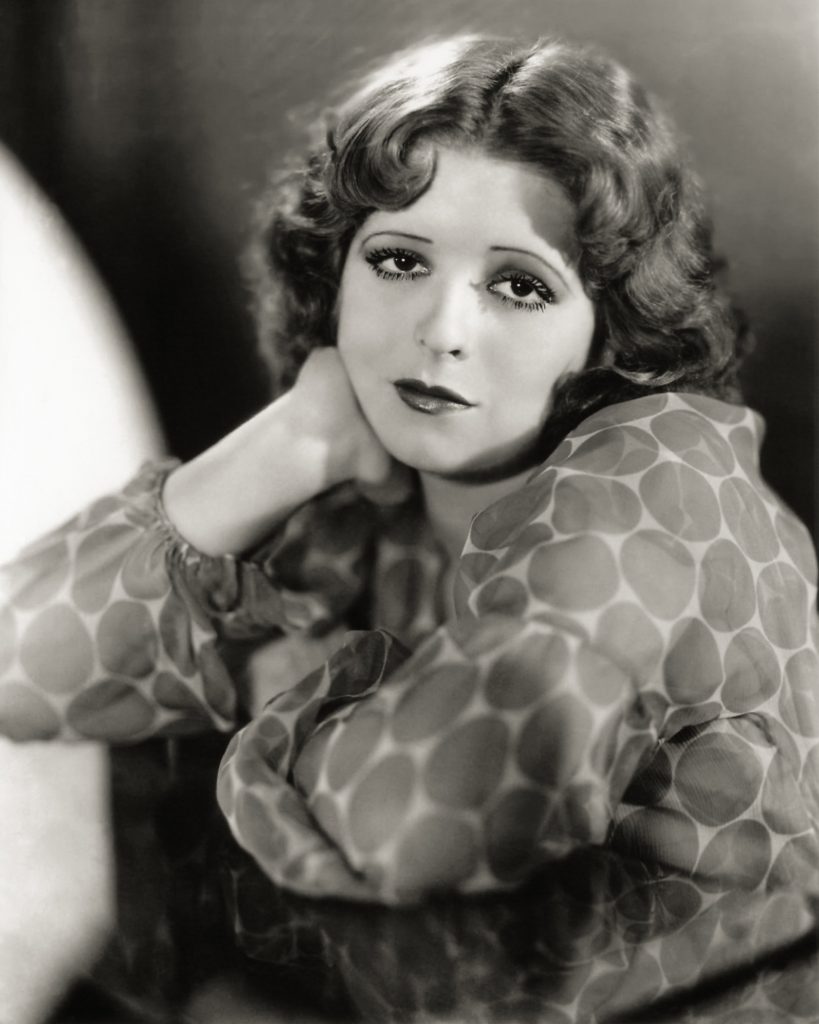
The first “It” girl and a 1920s icon, Bow’s box-office appeal was so strong that the majority of producers considered her a reliable return on film investments.
Clara Bow in ‘Down to the Sea in Ships’ (1922)
This early film role saw her take on the part of a tomboy, but critics and the public were already completely captivated by her presence.
Louise Brooks (1906-1985)
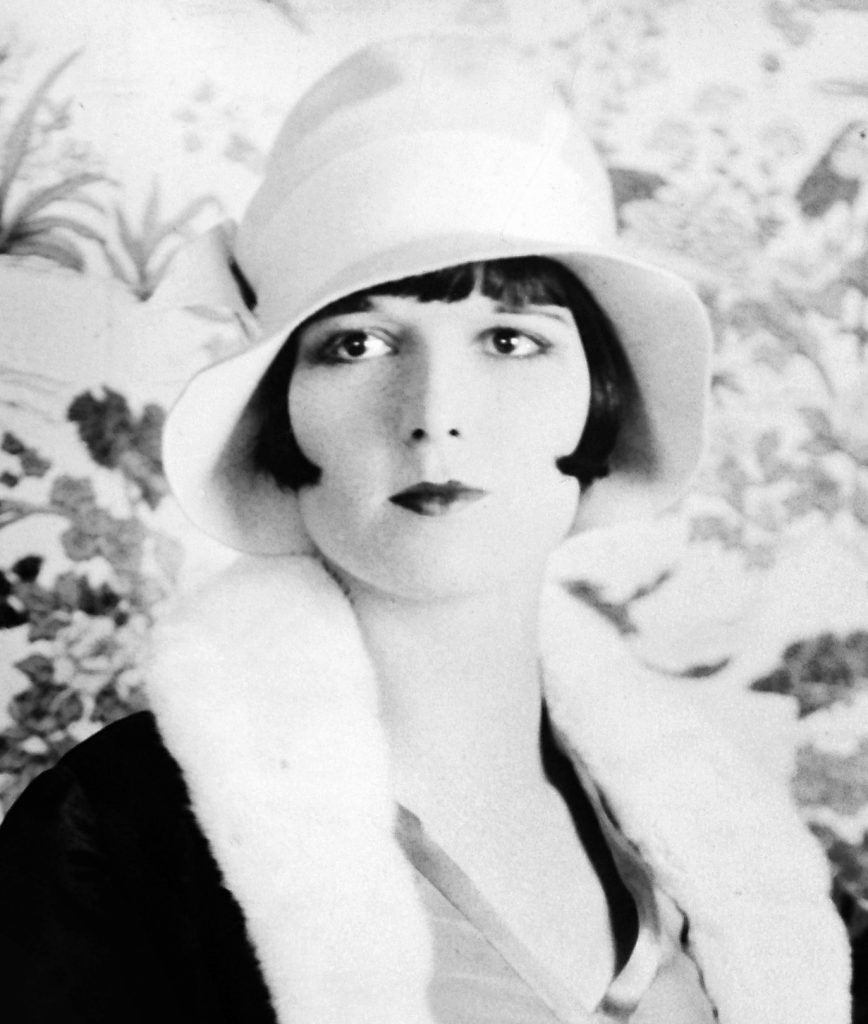
Brooks epitomized the bold 1920s flapper look and stood out for her iconic bobbed haircut, an image she carefully cultivated throughout her entire film career.
Louise Brooks in ‘The Show-Off’ (1926)
This lighthearted comedy saw her costar with popular Broadway actor Gregory Kelly, who passed away shortly after the film’s release.
Gloria Swanson (1899-1983)
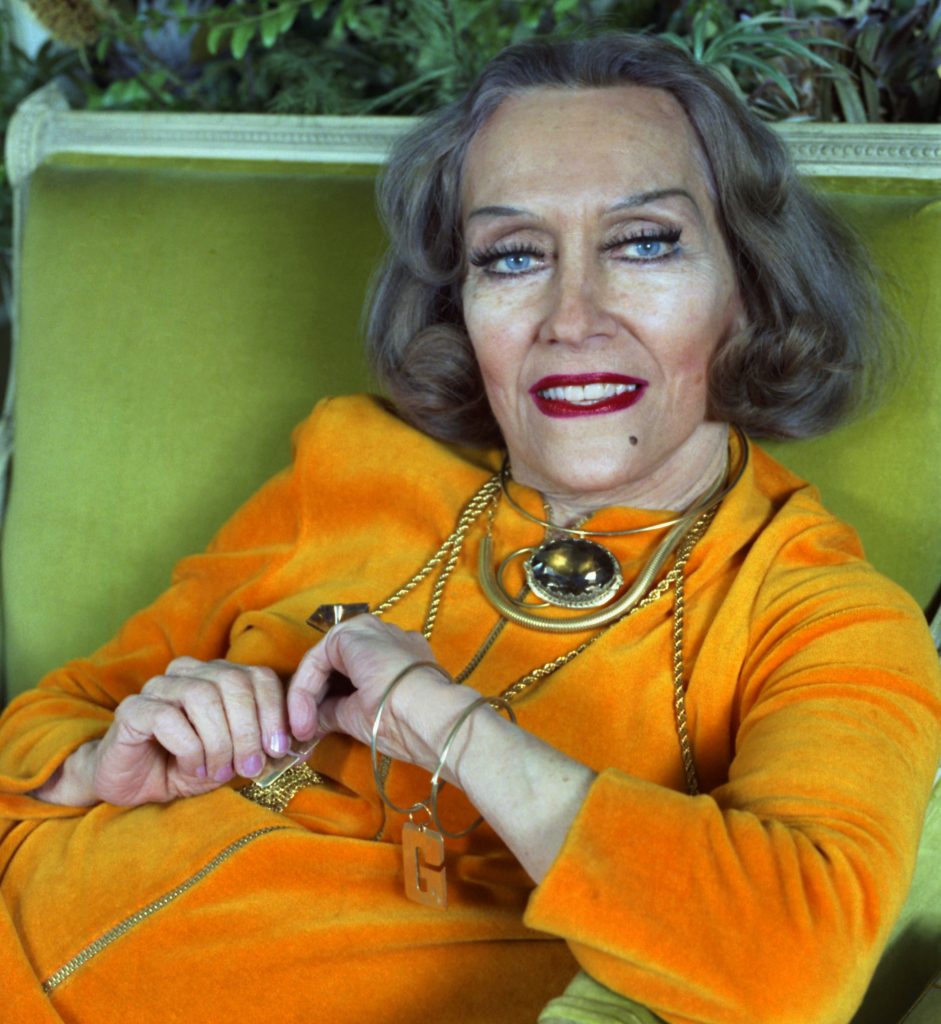
Enjoying even greater fame with the advent of the “talkies,” Swanson was nonetheless a major silent movie star as well as a fashion icon of her era.
Gloria Swanson in ‘Don’t Change Your Husband’ (1919)
This romantic comedy was the first of director Cecil B. DeMille’s films to feature Swanson in a lead role.
Mabel Normand (1893-1930)
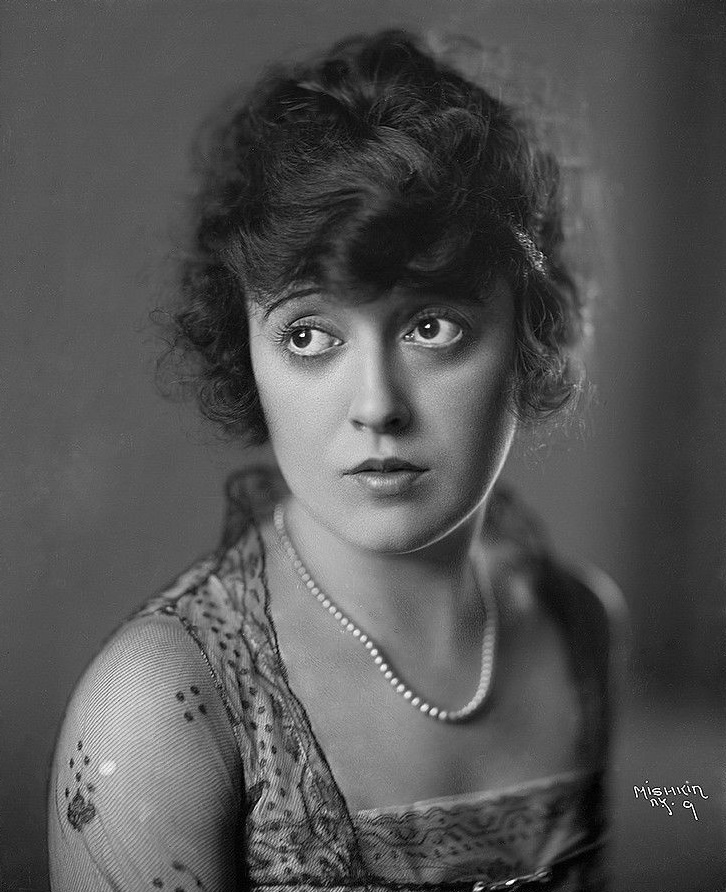
An actress, screenwriter, director, and producer, Normand ran her own movie studio and production company, a remarkable achievement for any filmmaker of the era.
Mabel Normand in ‘Getting Acquainted’ (1914)
This film was written and directed by Charlie Chaplin. Normand herself wrote and directed several movies featuring Chaplin as her leading man.
John Gilbert (1899-1936)
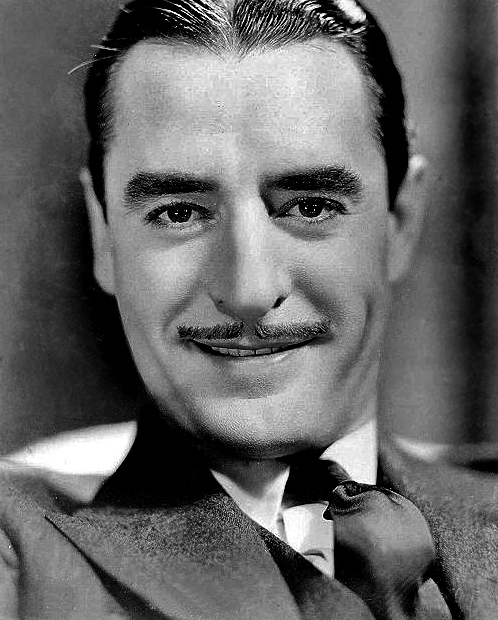
Gilbert rivaled Valentino in terms of popularity with audiences and was widely known as “The Great Lover.” Marlene Dietrich and Greta Garbo were among his famous companions.
John Gilbert in ‘The Big Parade’ (1925)
Director King Vidor’s war epic was one of the biggest box-office draws of the 1920s, boosting Gilbert’s career and launching French actress Rene Adoree to stardom.
Roscoe “Fatty” Arbuckle (1887-1933)
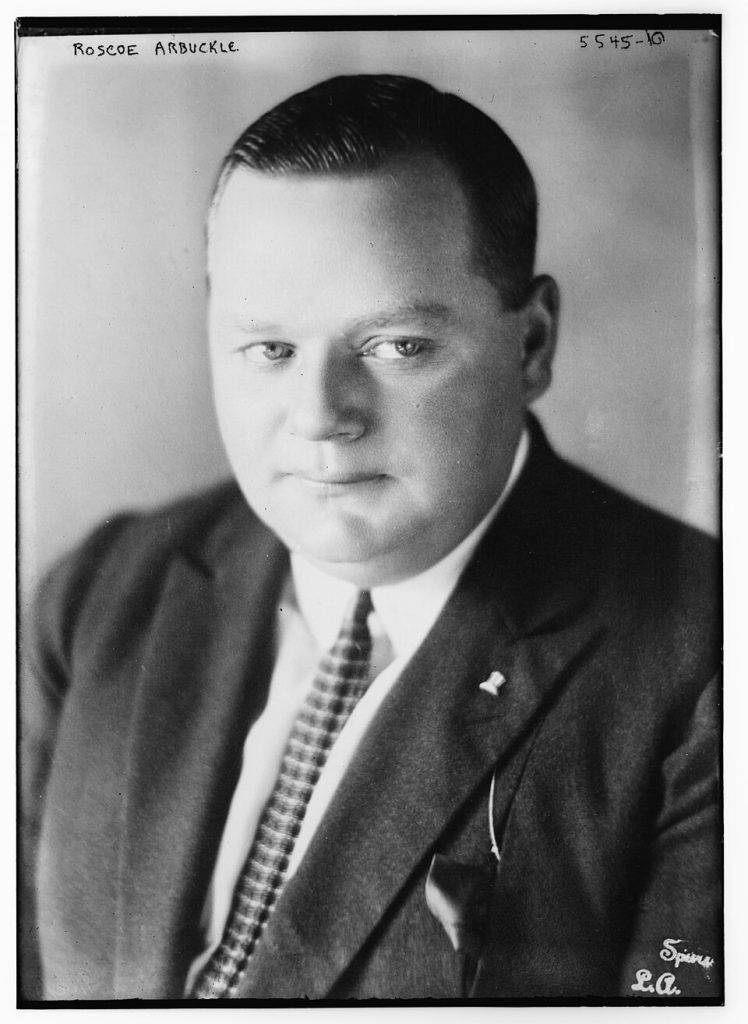
He mentored Charlie Chaplin, discovered Buster Keaton, and became one of the highest-paid actors of the silent era. Yet Arbuckle’s career was derailed by a highly publicized 1921 legal case that, despite his acquittal, permanently overshadowed his considerable contributions to cinema.
Roscoe “Fatty” Arbuckle in ‘Out West’ (1918)
Directed by and starring Arbuckle, the film also featured Buster Keaton, who received praise for his comic performance throughout.
Dorothy Gish (1898-1968)
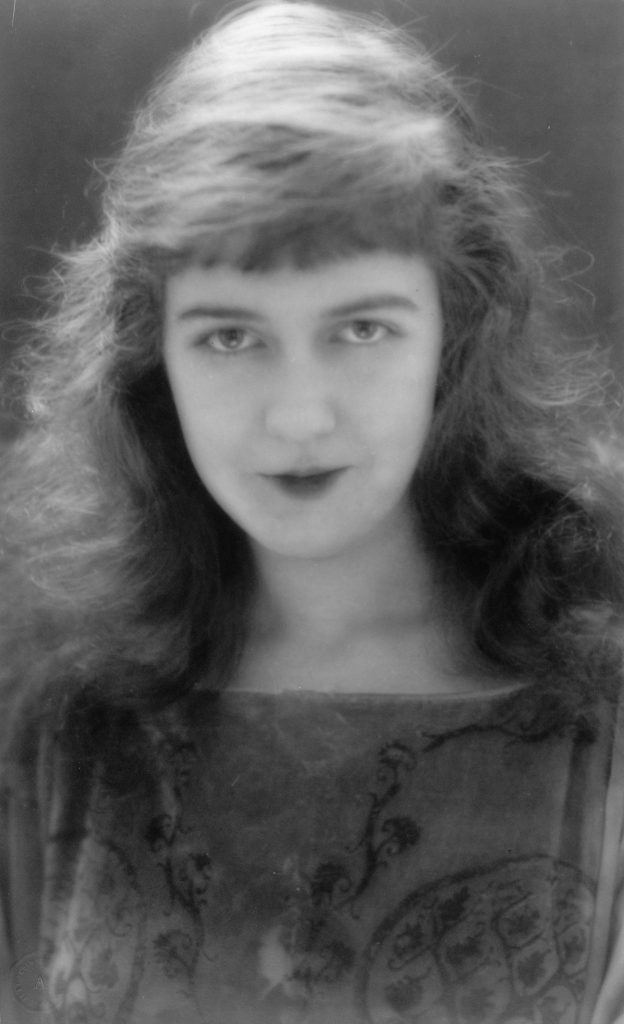
Younger sister of Lillian, Dorothy found fame on the stage as well as in film.
Dorothy Gish in ‘Orphans of the Storm’ (1921)
A drama set in late 18th-century France and directed by D.W. Griffith, the film starred Dorothy alongside her sister Lillian in leading roles.
Stan Laurel (1890-1965)
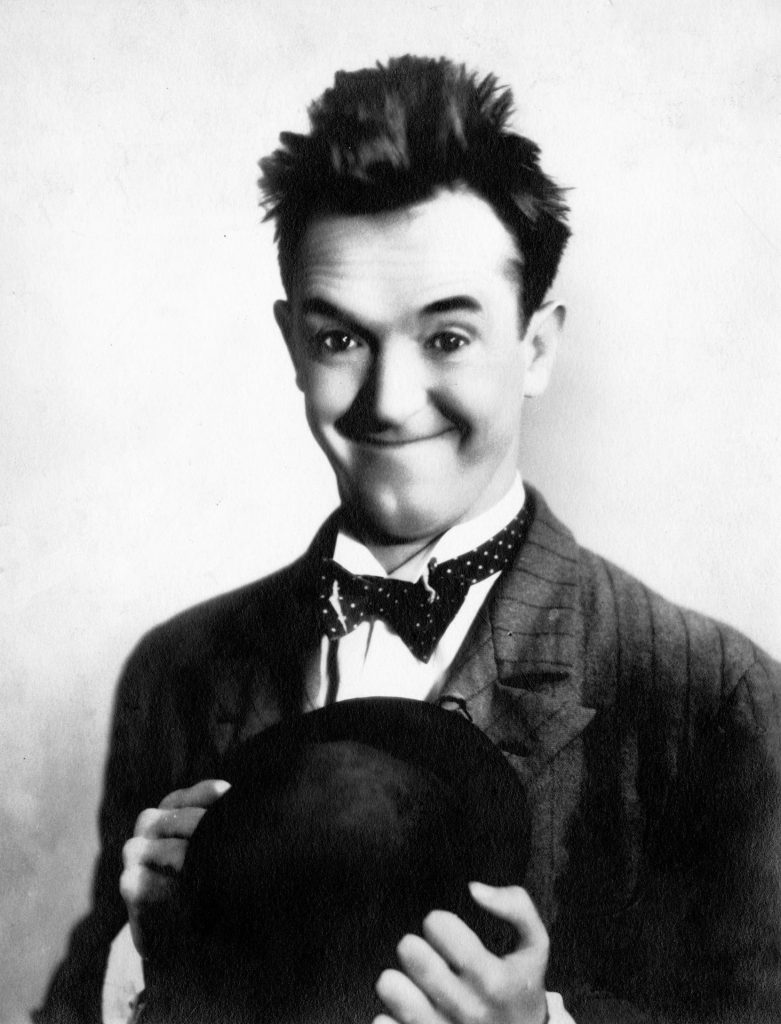
One half of arguably the greatest comedy double act in entertainment history, the British comic first arrived in the US with Fred Karno’s troupe of actors, an ensemble that also included Charlie Chaplin.
Stan Laurel in ‘A Mandarin Mixup’ (1924)
Laurel appeared in numerous silent films before crossing paths with fellow comic actor Oliver Hardy back in 1921.
Oliver Hardy (1892-1957)
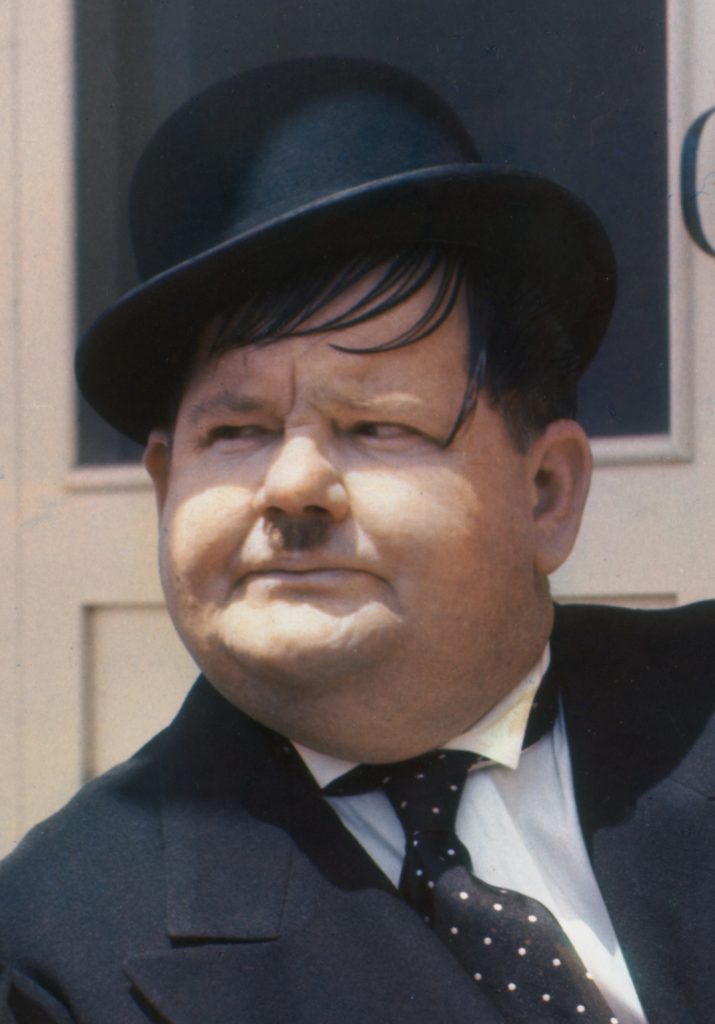
Oliver Hardy’s first film was the silent comedy ‘Outwitting Dad’ (1914), credited to O.N. Hardy, which stood for Oliver Norvell Hardy.
Oliver Hardy in ‘The Lucky Dog’ (1921)
This marks the first on-screen appearance of Stan Laurel and Oliver Hardy together, long before they became one of cinema’s most beloved comedy teams.
Colleen Moore (1899-1988)
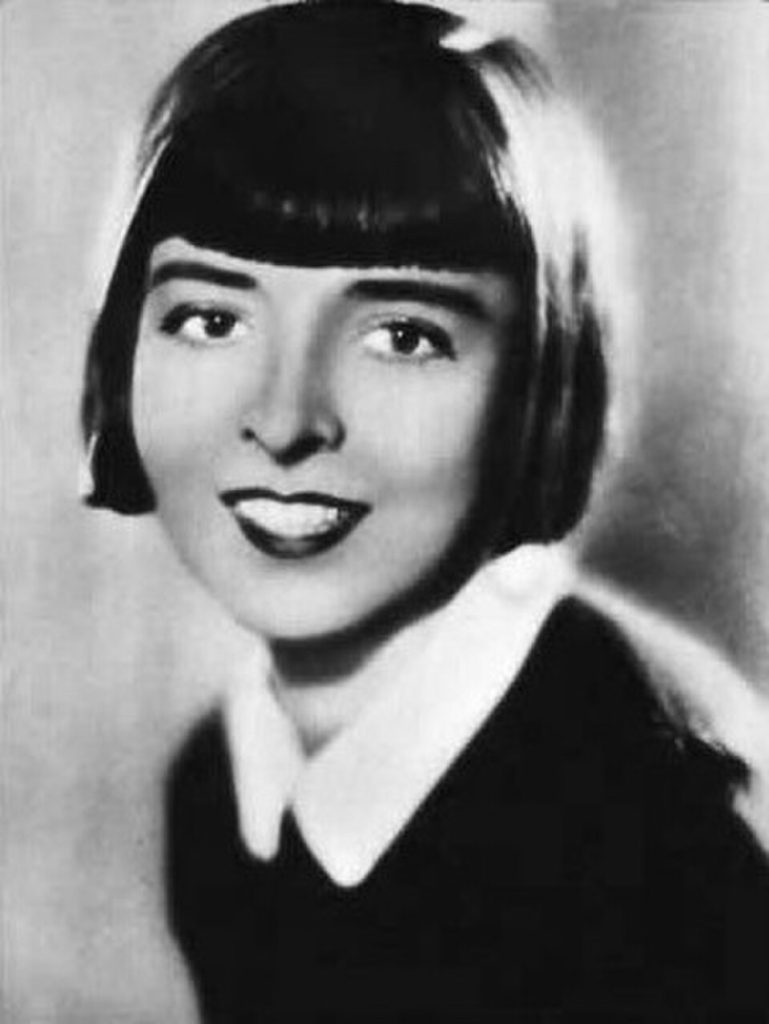
In a relatively short career, Moore became one of the highest-paid actresses of the day and one of the most fashionable figures in all of Hollywood.
Colleen Moore in ‘The Wall Flower’ (1922)
A rare still from ‘The Wall Flower’ survives to this day, as nearly half of Moore’s films are now considered permanently lost.
William S. Hart (1864-1946)
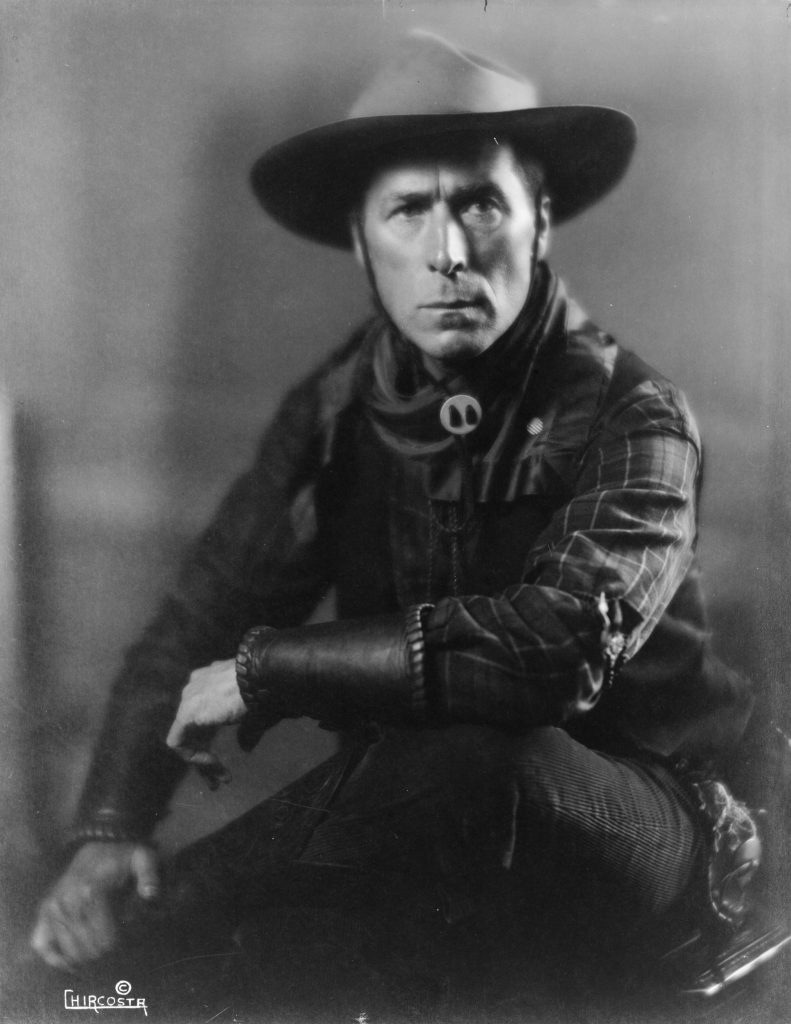
Hollywood’s first cowboy, Hart, along with Tom Mix, remains one of the silent era’s foremost Western stars.
William S. Hart in ‘The Gunfighter’ (1917)
Hart’s films were noted for their authentic costumes and props. Deeply fascinated with the Old West, he had personally met legendary lawmen Wyatt Earp and Bat Masterson.
Blanche Sweet (1896-1986)
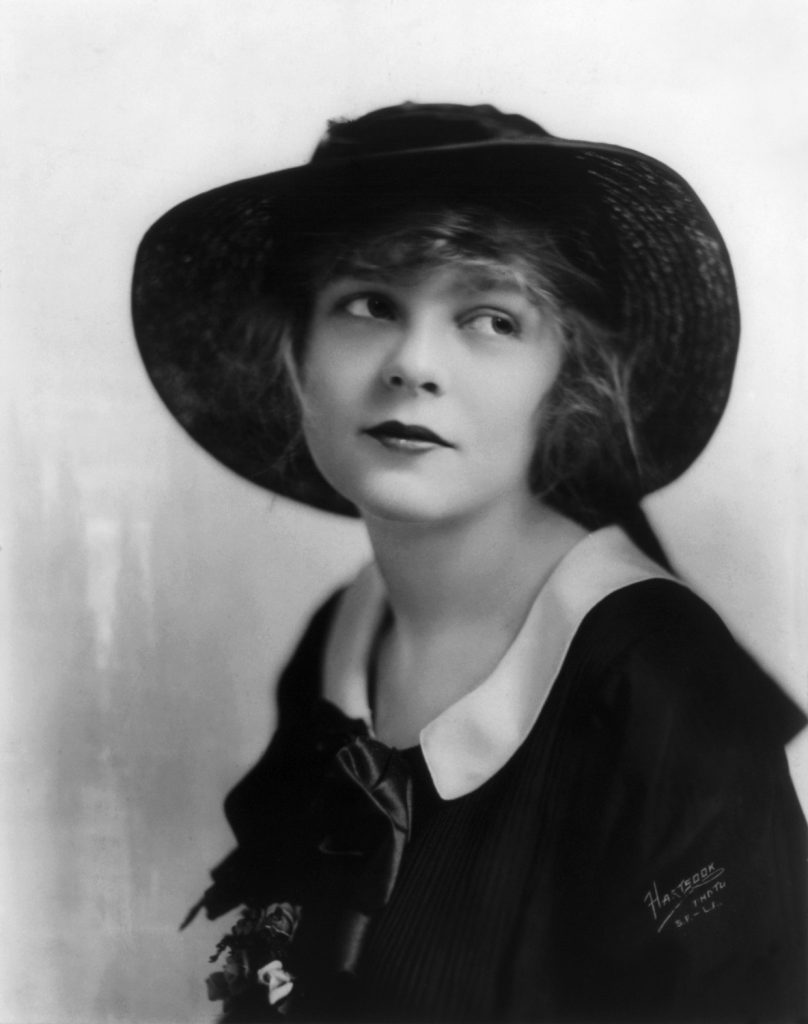
Acting since childhood, by 1909 the young actress was already working with D.W. Griffith and rivaling Mary Pickford in popularity.
Blanche Sweet in ‘The Avenging Conscience’ (1914)
Based on a short story by Edgar Allan Poe, this early silent horror film features a memorable and surprising twist ending.
Tom Mix (1880-1940)
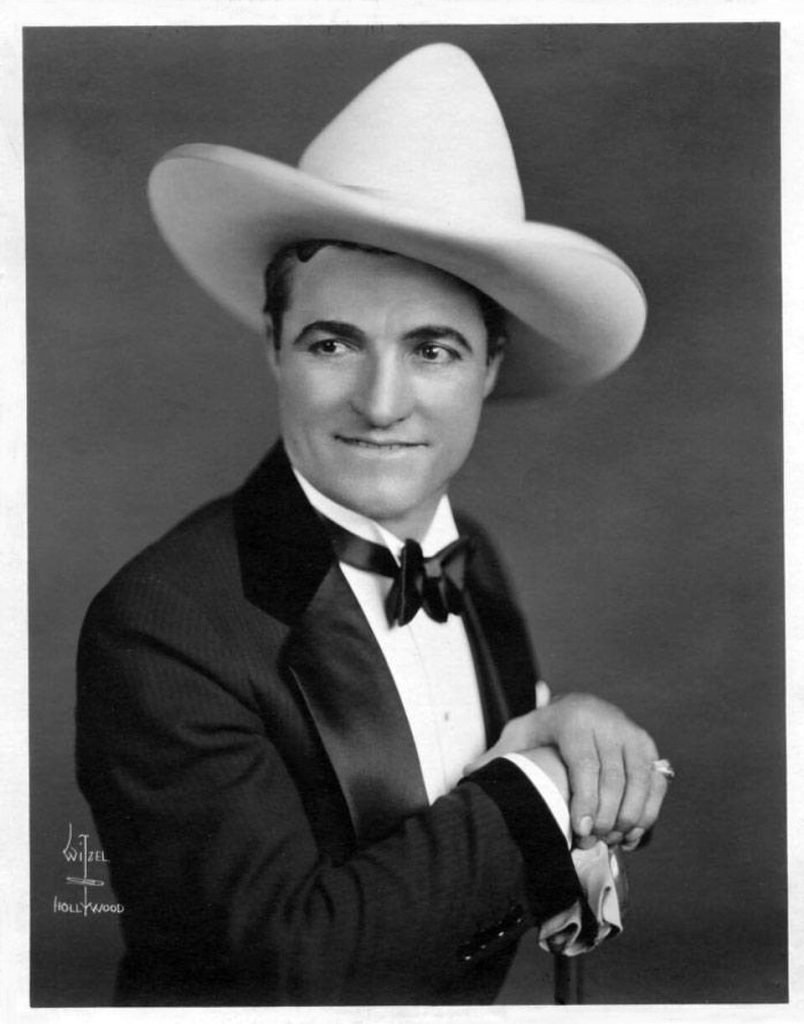
Along with William S. Hart, Mix helped define the Western as a movie genre. It was an appearance in a documentary showcasing his skills as a cattle rancher that first helped launch his film career.
Tom Mix in ‘Western Blood’ (1918)
A scene captured from one of the roughly 270 films Mix appeared in during his career, though sadly many of them are now considered lost.
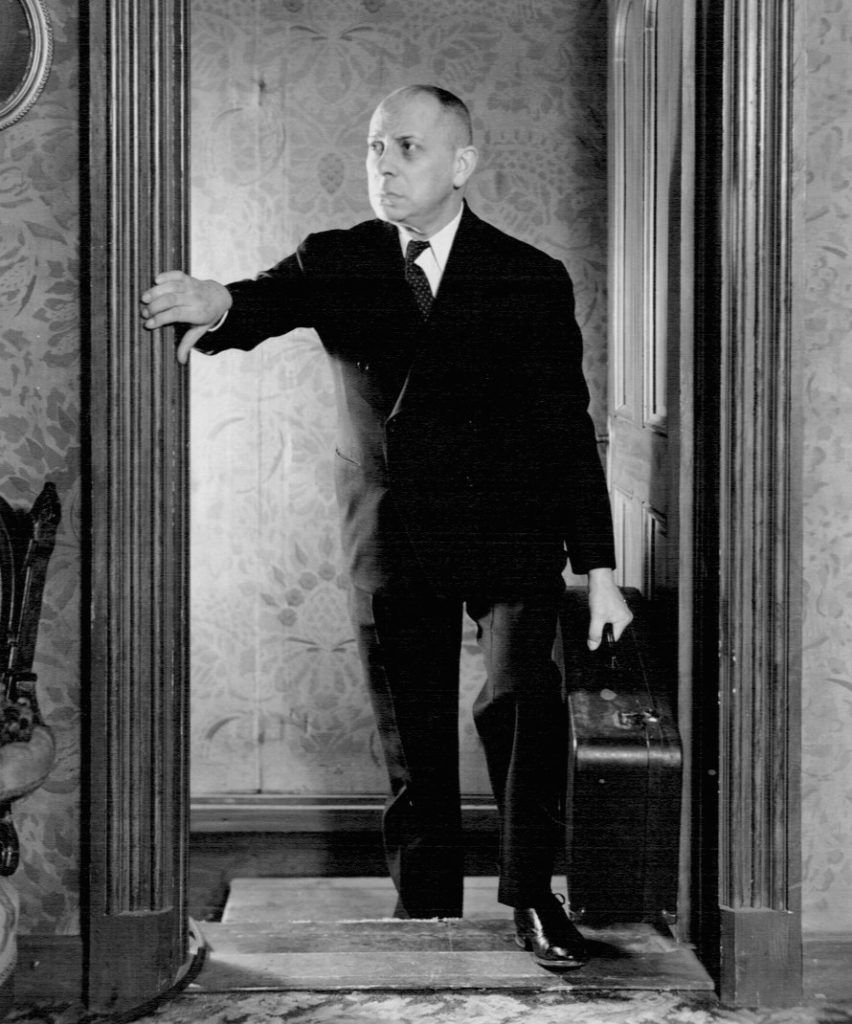
Erich von Stroheim (1885-1957)
Source : Wikipedia
One of the most admired and visionary film directors of the silent era, von Stroheim was also a capable actor who sometimes appeared uncredited in his own productions.
Erich von Stroheim in ‘Blind Husbands’ (1919)
Written, produced, and directed by Stroheim, this 1919 feature also saw him take on the starring role of Lieutenant Eric Von Steuben.
Max Linder (1883-1925)
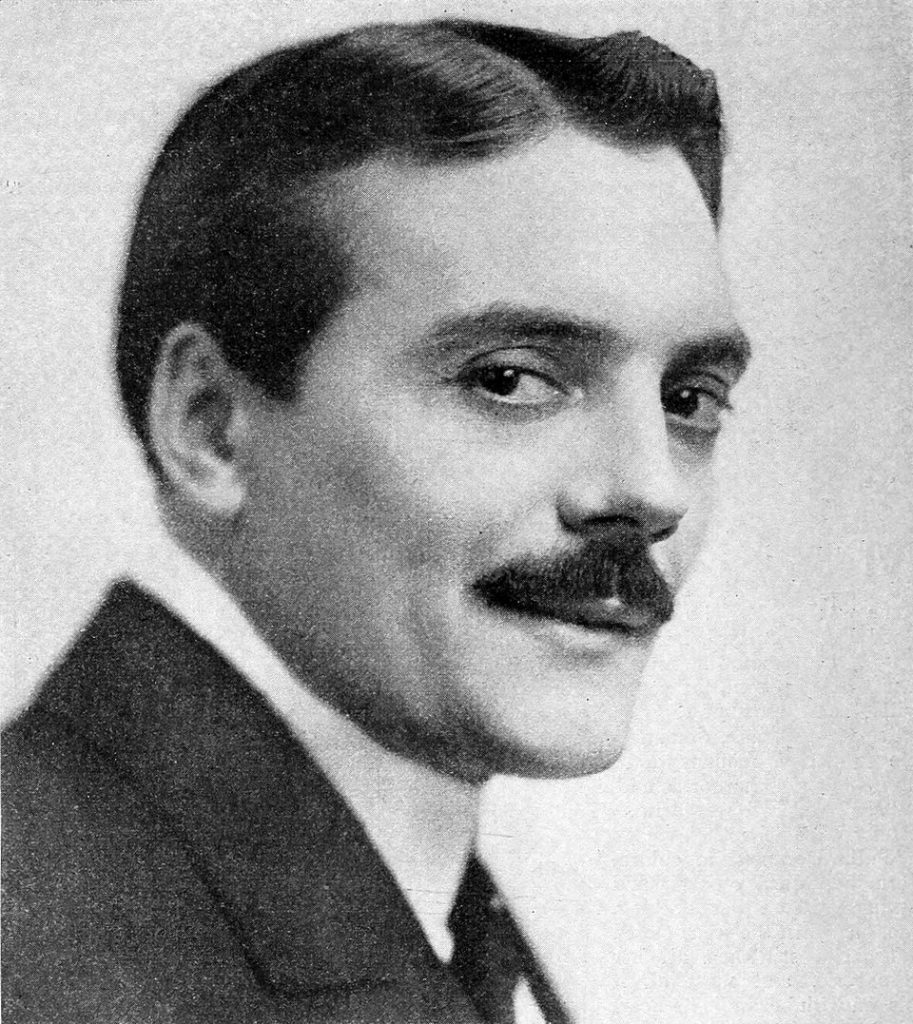
Born in France as Gabriel-Maximilien Leuvielle, Linder worked in theater for many years and in film for Pathe before eventually relocating to the United States.
Max Linder in ‘Seven Years Bad Luck’ (1921)
One of the first truly global movie stars, Linder made this comedy while working in Hollywood. Considered by some to be his finest film, he nonetheless chose to return to France the following year.
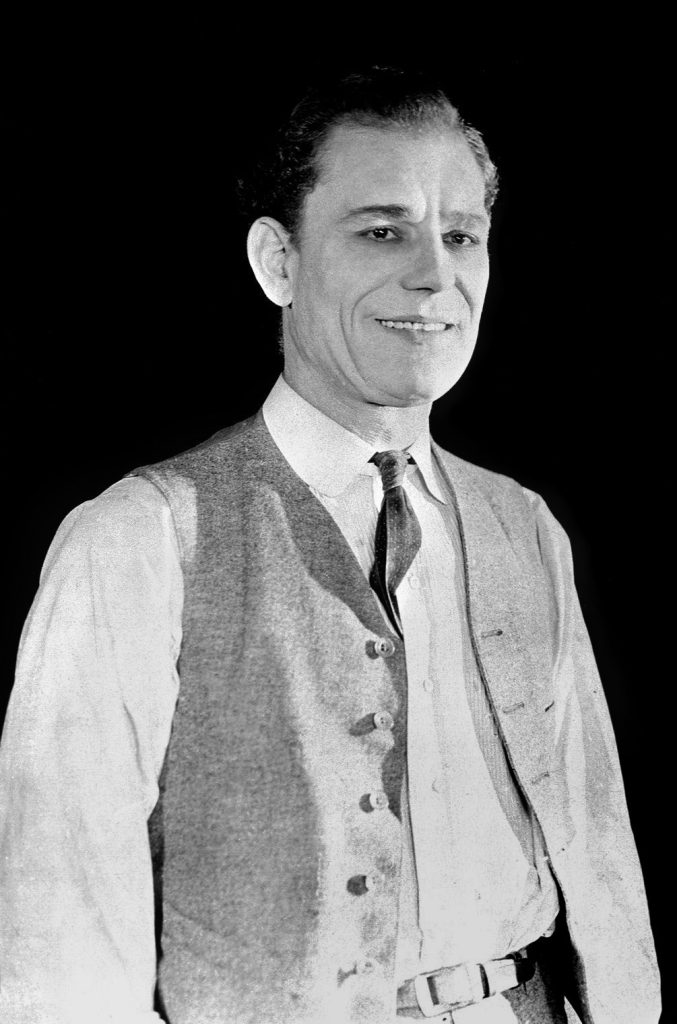
Lon Chaney (1883-1930)
Source : Wikipedia
A hugely influential figure of early cinema, Chaney was known as “The Man of a Thousand Faces” for his extraordinary makeup skills and his portrayals of complex, physically distinctive characters.
Lon Chaney in ‘The Hunchback of Notre Dame’ (1923)
One of two landmark films starring Chaney, the other being ‘The Phantom of the Opera’ (1925), this production stands as Universal Pictures’ most successful silent film.
Sessue Hayakawa (1886-1973)
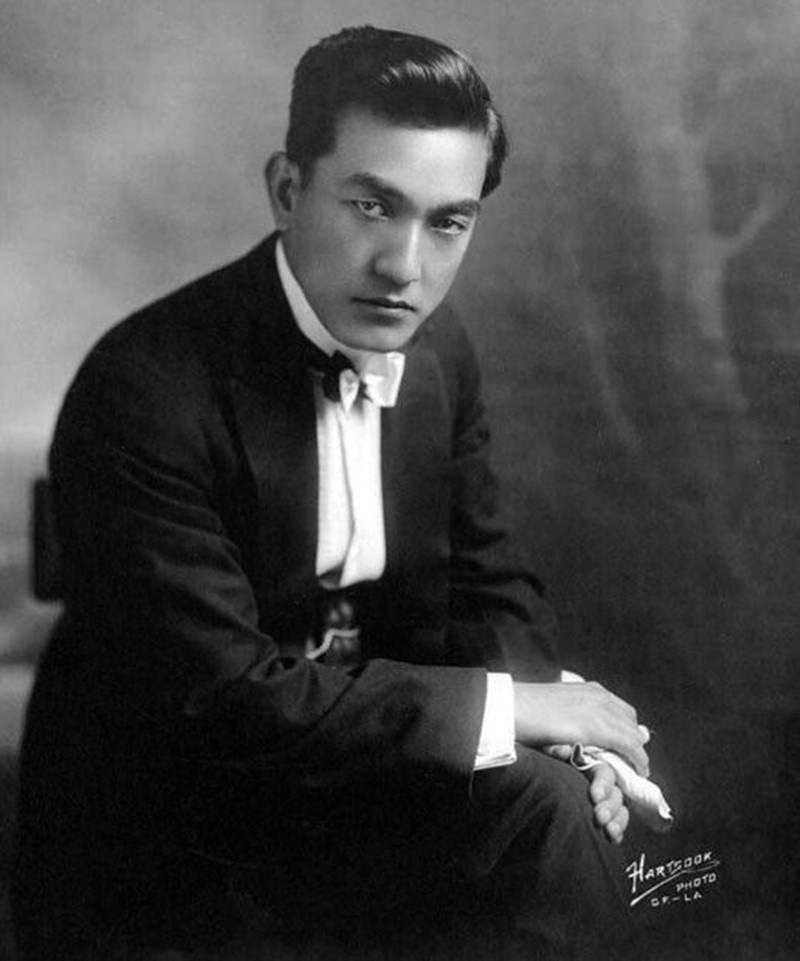
Enjoying enormous success throughout the 1910s and 1920s, Hayakawa was the first actor of Asian descent to achieve fame as a leading man in both Europe and the United States.
Sessue Hayakawa in ‘The Beggar Prince’ (1920)
A pioneering Hollywood presence, the Japanese actor brought commanding charisma and screen presence to a wide range of roles.
Florence Lawrence (1886-1938)
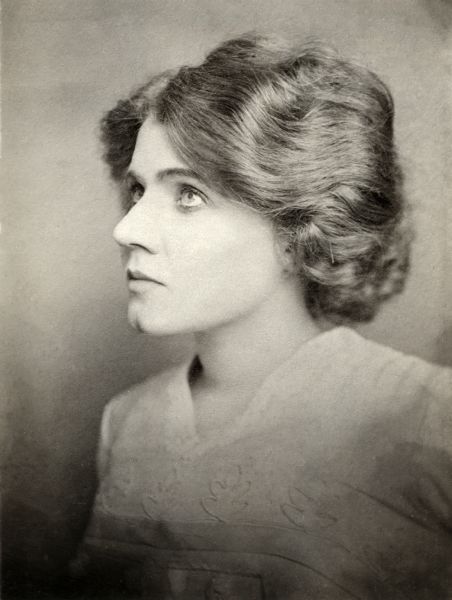
The Canadian actress appeared in nearly 300 films, peaking during the 1910s and earning recognition from many in the industry as “The First Movie Star.”
Florence Lawrence in ‘After All’ (1912)
Florence Lawrence, pictured far right, plays the character Margie in a film produced by her own motion picture company, Victor Studios.
Helene Costello (1906-1957)
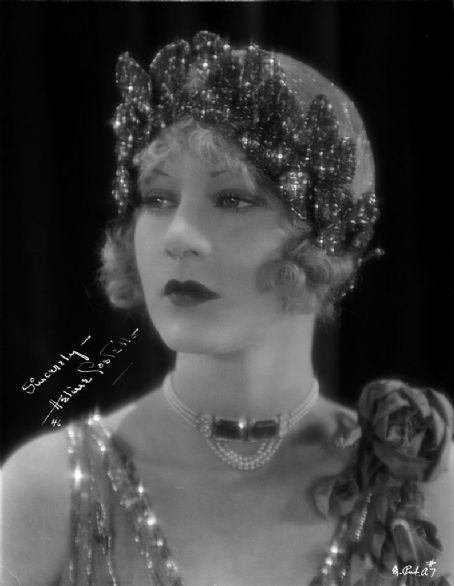
Born into a prominent acting family, she first appeared on screen as a child star in 1909, performing opposite her father.
Helene Costello in ‘The Love Toy’ (1926)
The mid-1920s proved to be her most productive and profitable years, a period when she was earning as much as US$3,000 per week.
Barbara La Marr (1896-1926)
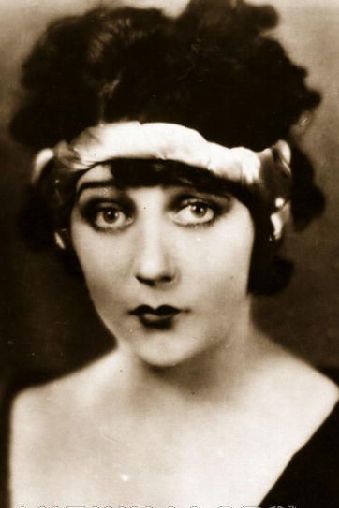
Dubbed by the press as “The Girl Who is Too Beautiful,” La Marr cultivated a captivating screen persona and became one of the decade’s most talked-about actresses.
Barbara La Marr in ‘The Prisoner of Zenda’ (1922)
Between 1920 and 1926 she appeared in 27 films, but the personal struggles that accompanied her fame caught up with her quickly, and she died at just 29 years of age from pulmonary tuberculosis and kidney inflammation.
Mary Pickford (1892-1979)
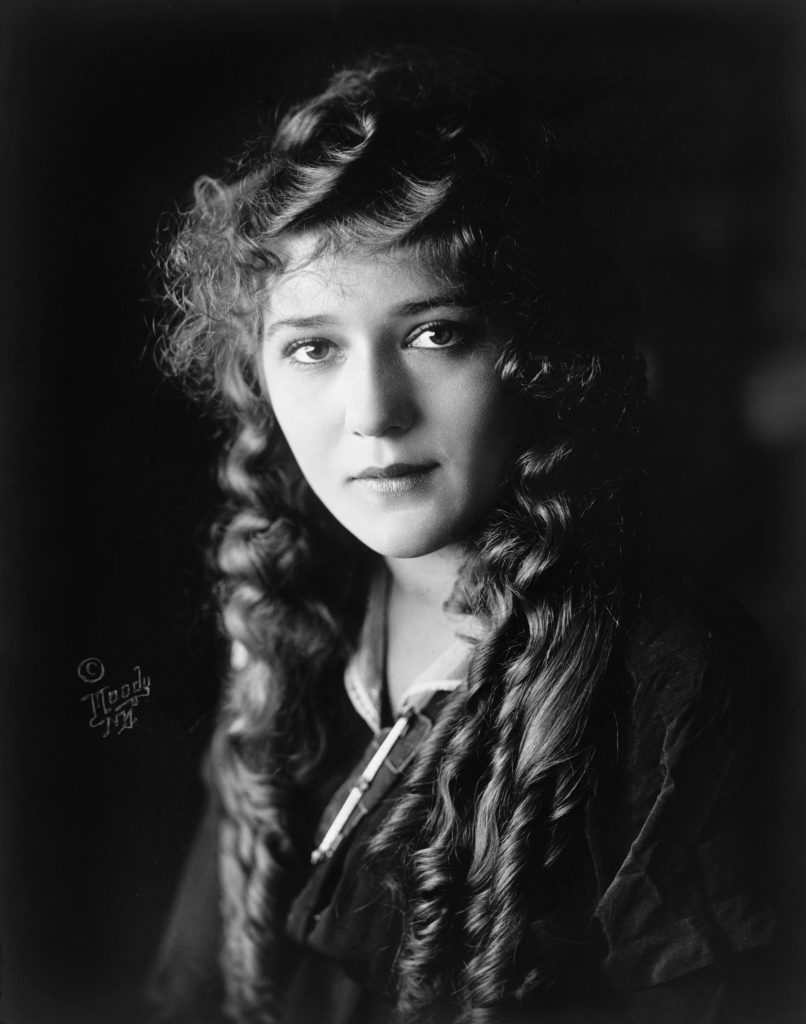
Pickford enjoyed enormous success throughout the 1910s and 1920s. She also co-founded the United Artists film studio and was one of the founding members of the Academy of Motion Picture Arts and Sciences.
Mary Pickford in ‘The Italian Barber’ (1911)
Pickford appears alongside Joseph Graybill and Marion Sunshine in the film, which also starred Mack Sennett, widely known as the “King of Comedy.”
Richard Barthelmess (1895-1963)
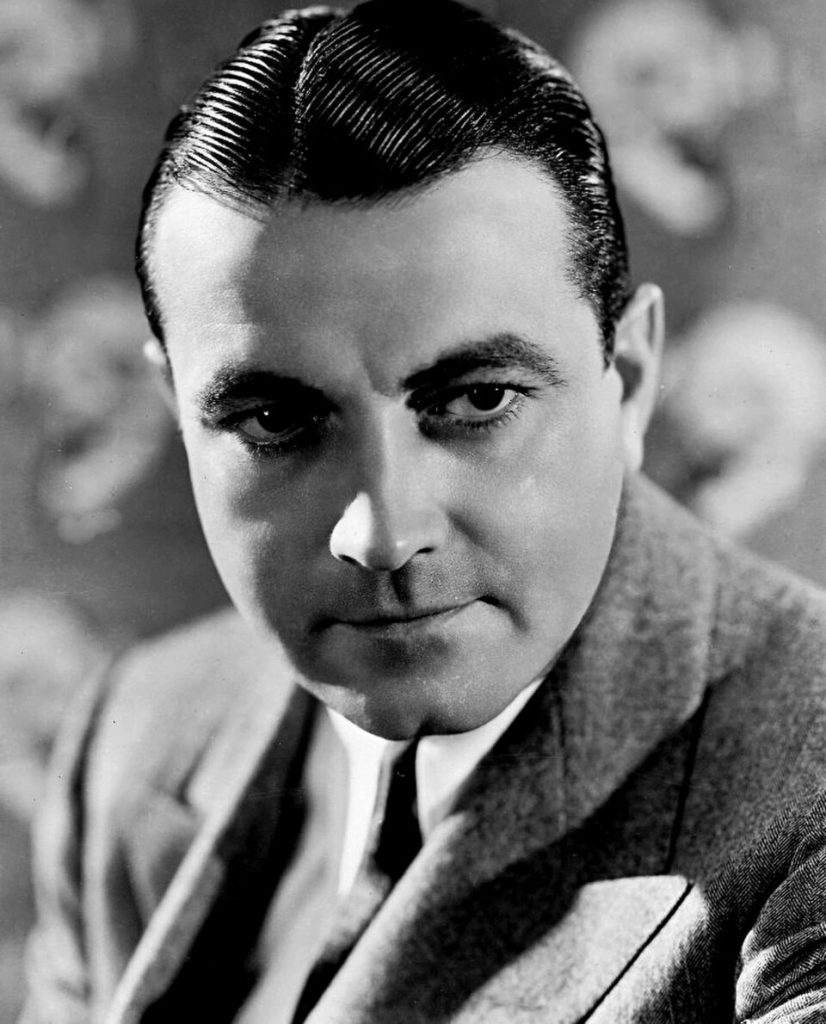
A founding member of the Academy of Motion Picture Arts and Sciences, Barthelmess began acting in theater at an early age and eventually became one of Hollywood’s highest-paid performers.
Richard Barthelmess in ‘The Patent Leather Kid’ (1927)
His performance in this film earned him a Best Actor nomination at the very first Academy Awards ceremony held in 1929.
John Barrymore (1882-1942)
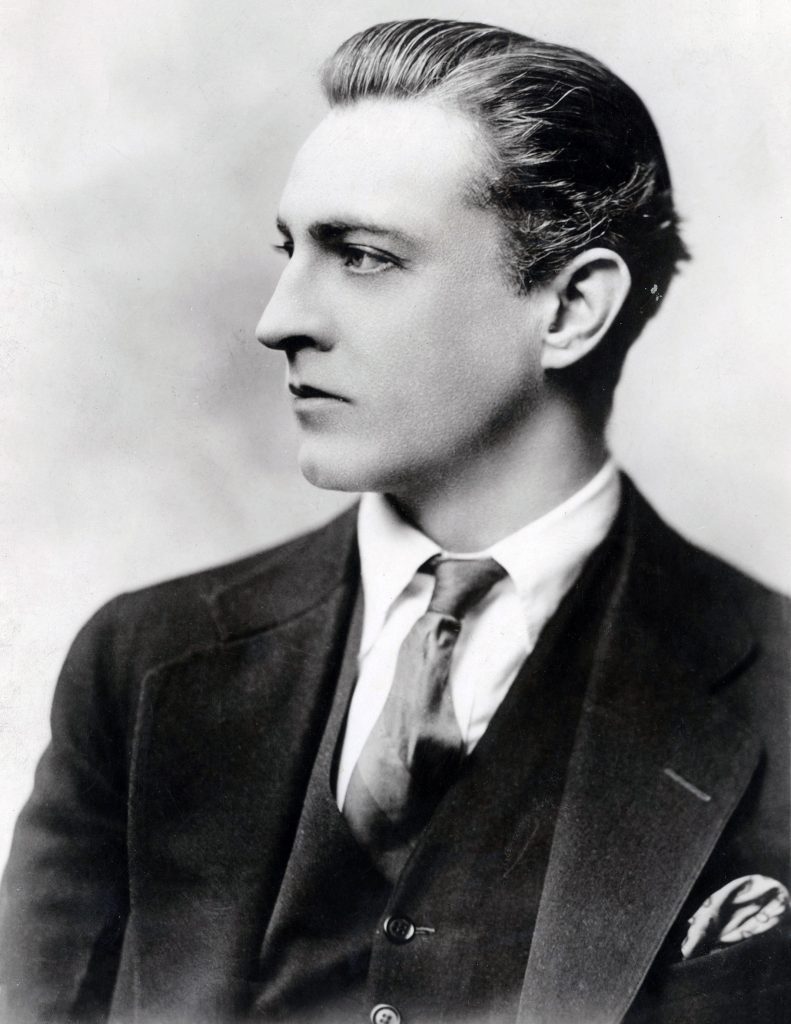
Another influential Hollywood name, Barrymore was a respected stage actor before making the transition into film.
John Barrymore in ‘Dr. Jekyll and Mr. Hyde’ (1920)
Barrymore’s dual performance received widespread critical acclaim. His transformation into Hyde was particularly noted by critics, as it was achieved entirely through facial expression alone, without any reliance on heavy makeup.