
Behind the sparkle and spectacle of Hollywood, many of the most familiar faces in entertainment today started out with names that bore little resemblance to what the world now knows them by. The industry has long pushed performers toward identities that felt more palatable to mainstream audiences, leading countless actors, singers, and entertainers to swap out their birth names for ones that would open doors. These decisions carry with them stories of personal sacrifice, cultural compromise, and the relentless pursuit of a dream.
Bruno Mars

Bruno started out as Peter Hernandez, a name that constantly drew industry comparisons to Enrique Iglesias and steered people toward expecting Latin-flavored music from him. Wanting to define himself on his own terms, he crafted the persona of Bruno Mars and never looked back.
Rita Hayworth
Few believed that Margarita Carmen Cansino had what it took to become a Hollywood leading lady. Her first husband, who also managed her career, pushed her toward a complete rebranding. She emerged as Rita Hayworth, leaving her Spanish roots behind in exchange for a path to becoming one of cinema’s most celebrated figures.
Pedro Pascal
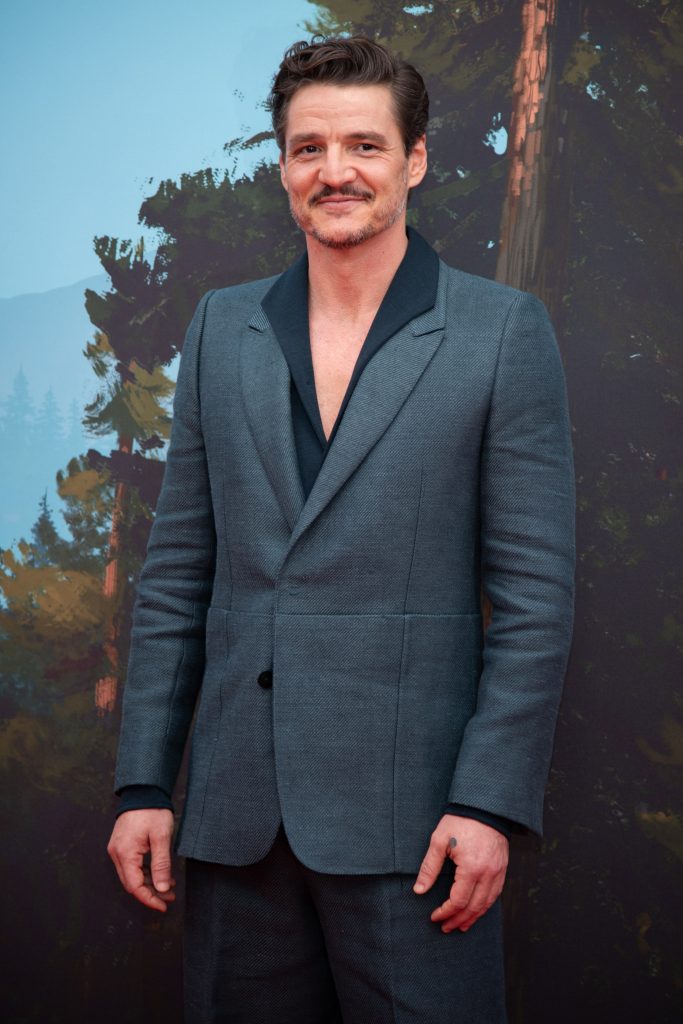
The Chilean-American actor navigated his early years under different names, including Pedro Balmaceda and briefly Alexander Pascal, in an effort to sidestep the stereotyping that followed Latino performers. Following the loss of his mother, he took on her surname as a tribute, fully embracing who he was and where he came from.
Oscar Isaac
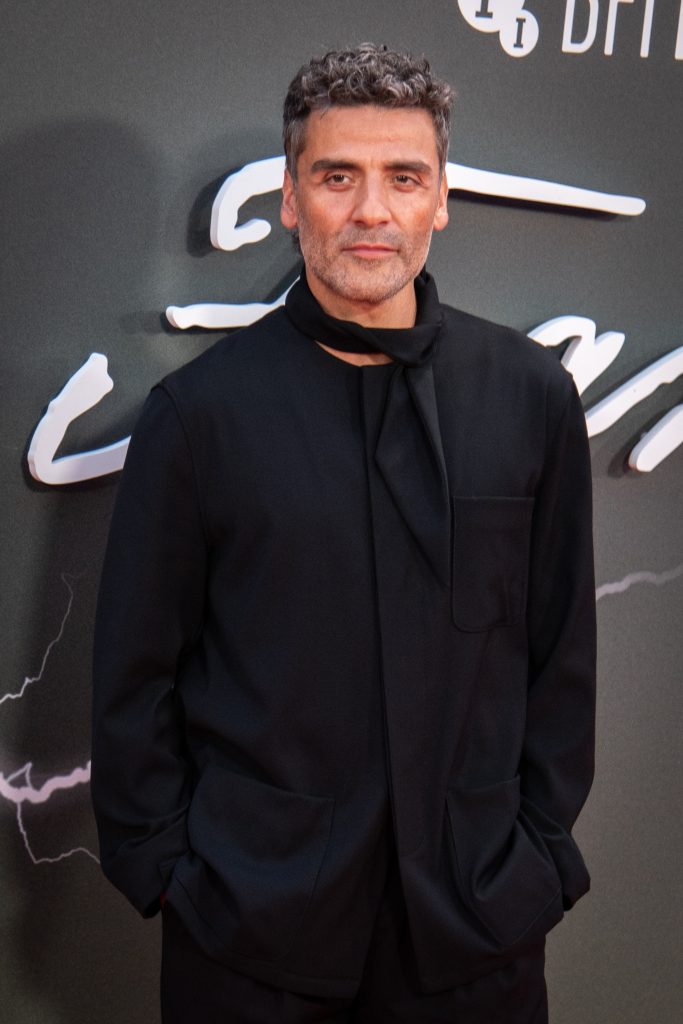
Casting directors in Miami had a frustratingly narrow view of what Óscar Isaac Hernández Estrada could play, reportedly seeing him only as a fit for criminal roles. Trimming his name down to Oscar Isaac helped shift perceptions, opening doors at Juilliard and eventually leading to a remarkably varied career in Hollywood.
Brie Larson
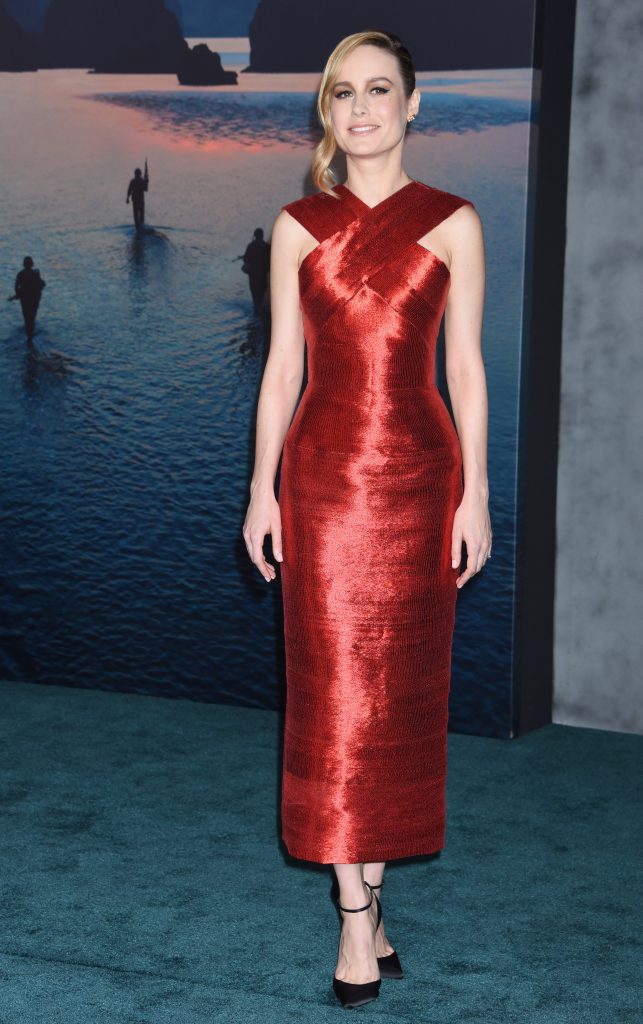
Brianne Sidonie Desaulniers was barely out of childhood when she decided she could no longer tolerate people butchering her French last name. Drawing partial inspiration from a beloved American Girl character named Kirsten Larson, she reintroduced herself as Brie Larson, a name that would one day be called out at the Academy Awards.
Thandiwe Newton
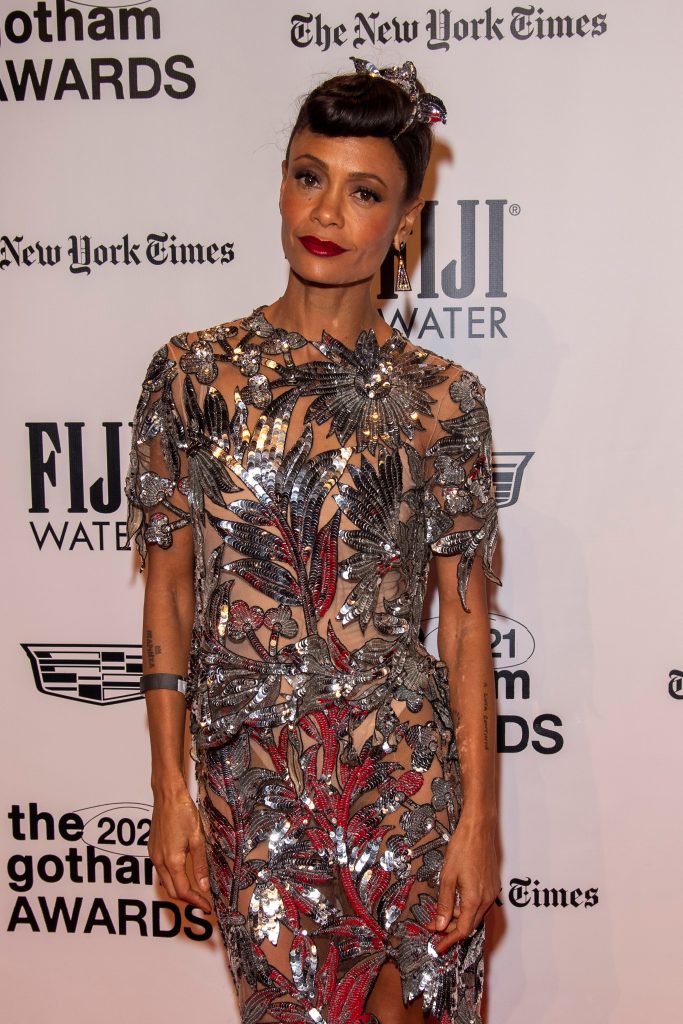
For the better part of her career, this British actress was listed simply as Thandie Newton after a typographical error in an early screen credit quietly erased a letter from her name. She corrected the record in 2021, restoring the Zulu spelling, Thandiwe, which carries the beautiful meaning of “beloved.”
Natalie Portman
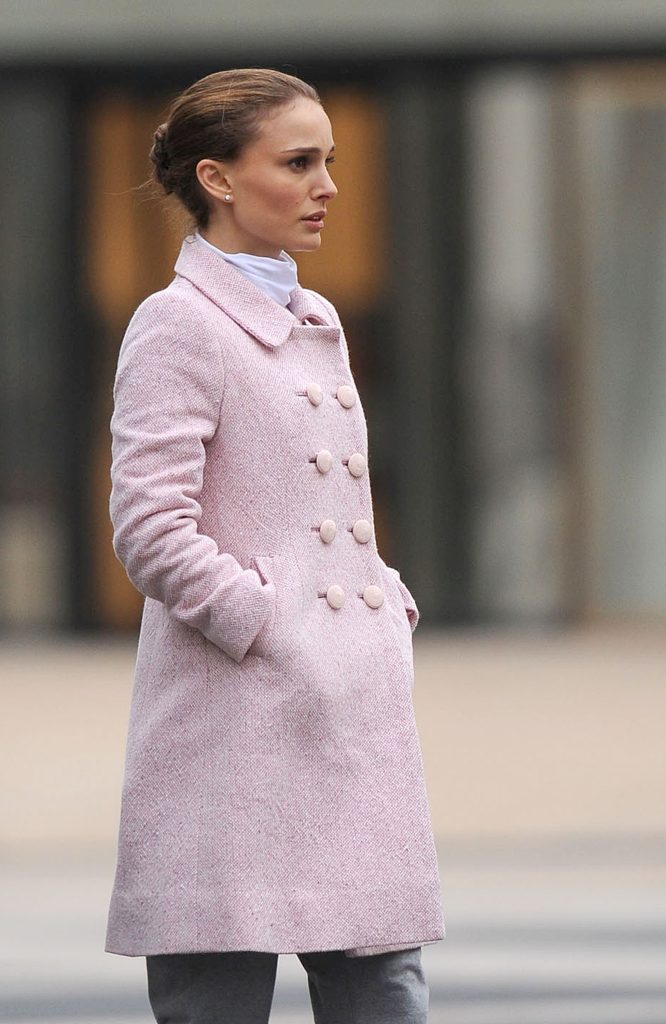
Privacy was the primary motivator when Natalie Hershlag borrowed her grandmother’s family name to use professionally. Keeping a clear line between her public and private lives, she stepped into the world as Natalie Portman and built one of the most respected careers in contemporary film.
Raquel Welch
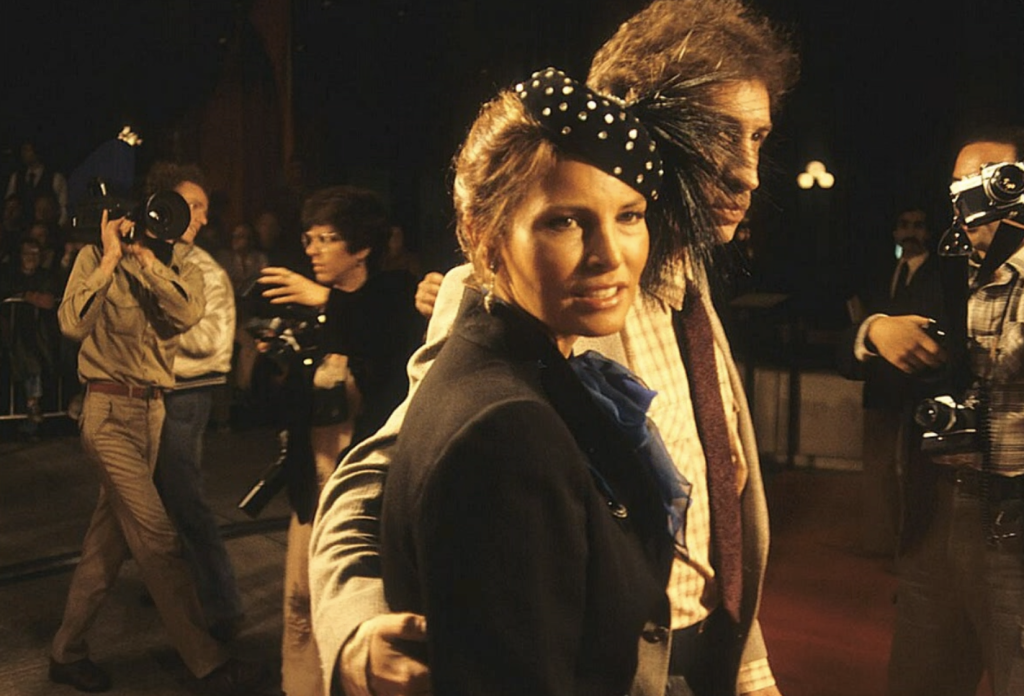
Raquel Tejada held onto the surname she had from her first marriage because it gave her a smoother entry into the industry. When studios pushed her to swap out her first name for something they considered less distinctive, she flatly refused. Keeping the name Raquel turned out to be one of the defining acts of her career.
Mindy Kaling
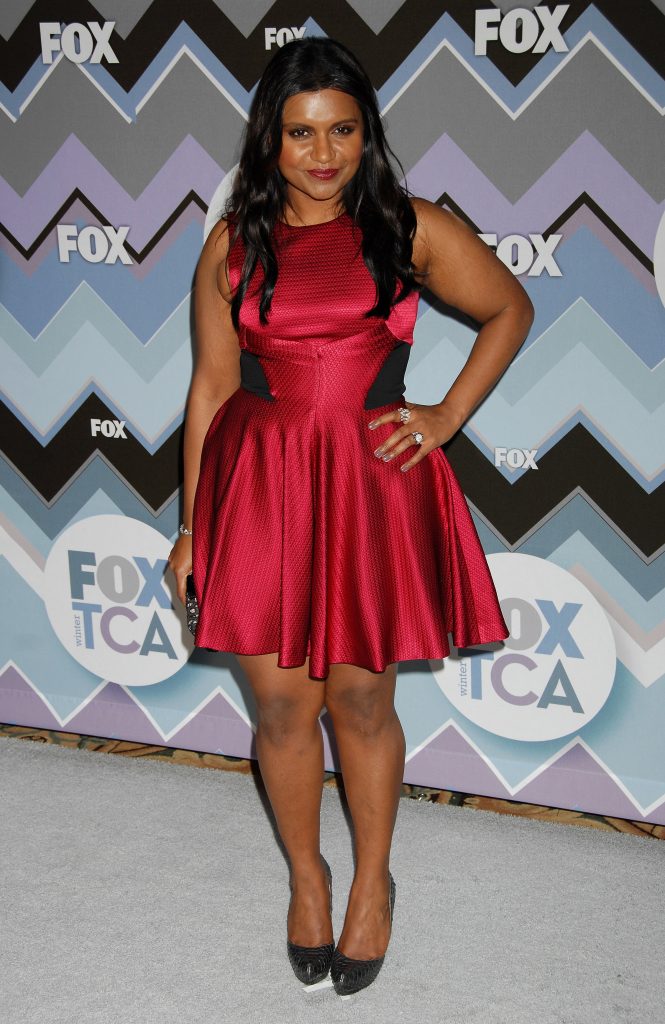
Vera Mindy Chokalingam grew weary of watching people stumble over her name or worse, treat it as material for cheap jokes. Condensing it to Mindy Kaling gave her a cleaner professional identity while preserving her individuality, and that name has since become a mark of real achievement in comedy and television.
Paul Wesley

Paweł Wasilewski was acutely aware of how his Polish name could be used as an excuse to pass him over in auditions. After talking it through with his family, he transitioned to Paul Wesley, a name that kept things straightforward and helped him carve out a legitimate acting career.
Martin Sheen
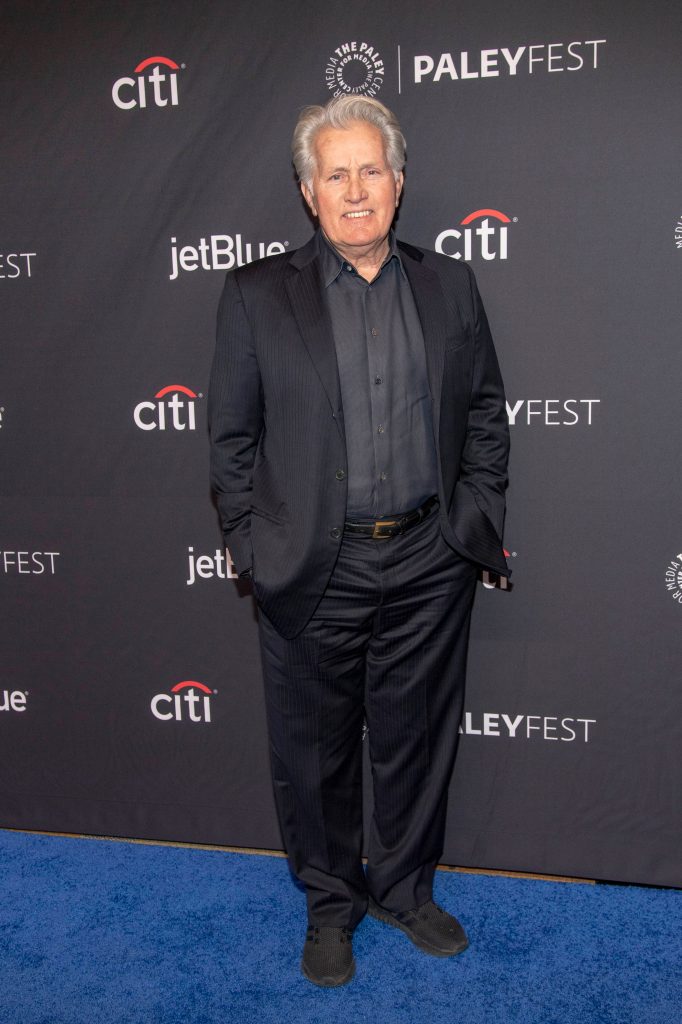
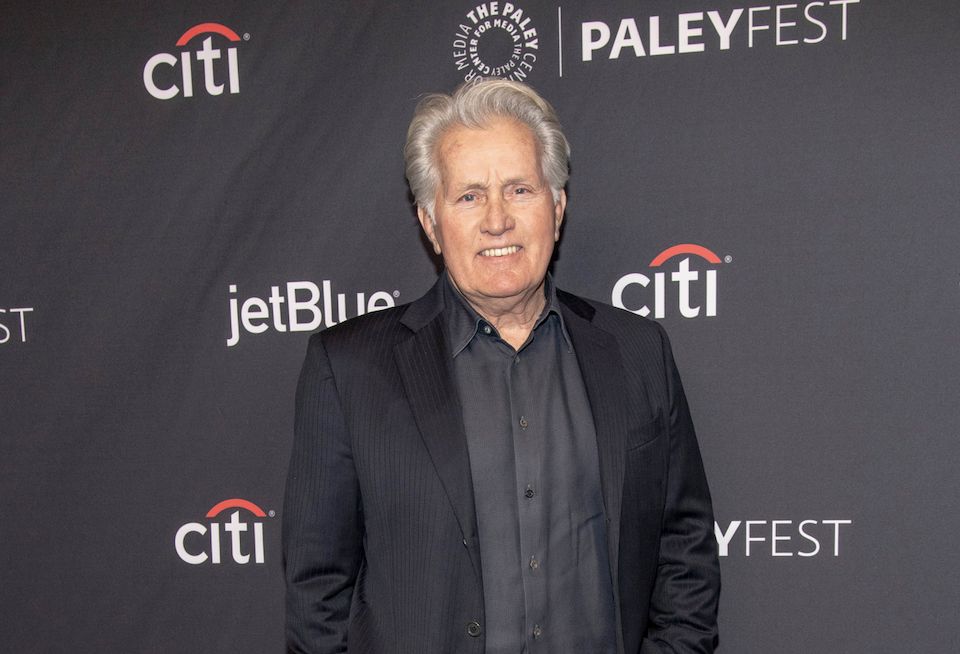
Ramón Antonio Gerardo Estévez made the difficult decision to put his birth name aside, convinced it would be a professional liability. His son Charlie followed the same path, while another son, Emilio Estévez, chose differently. Martin has since been candid in interviews about wishing he had made a different choice.
Kirk Douglas
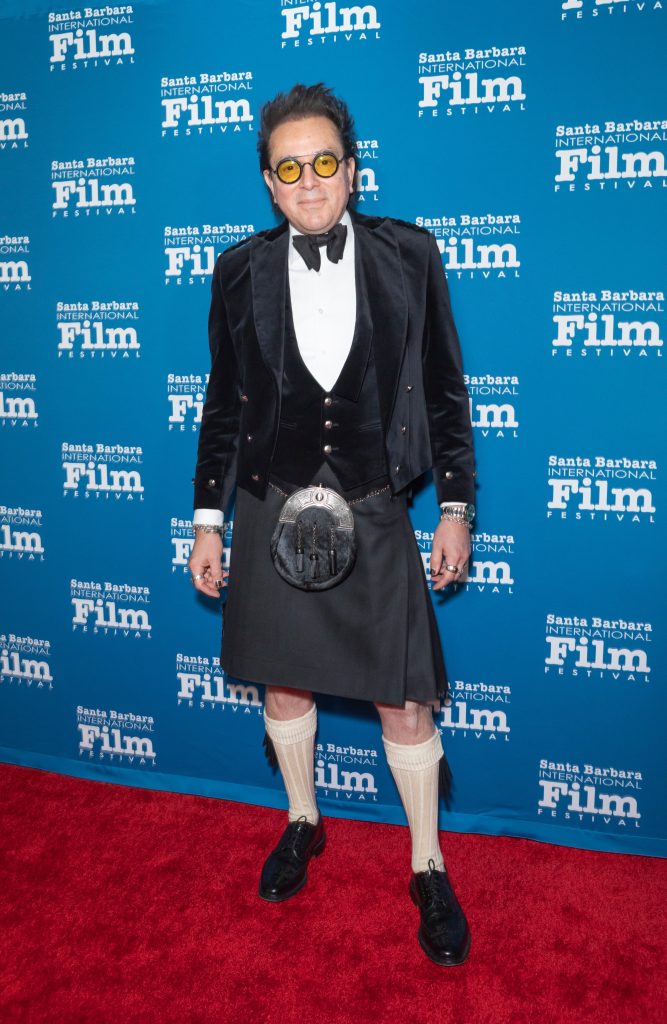
Long before he became a legend, Issur Danielovitch understood that Jewish surnames were viewed as a commercial drawback in the Hollywood of that era. He became Kirk Douglas, a name that launched an iconic career, though he later expressed genuine regret over having left his original identity behind. His son Michael inherited the Douglas name and went on to achieve his own considerable fame.
Rita Moreno
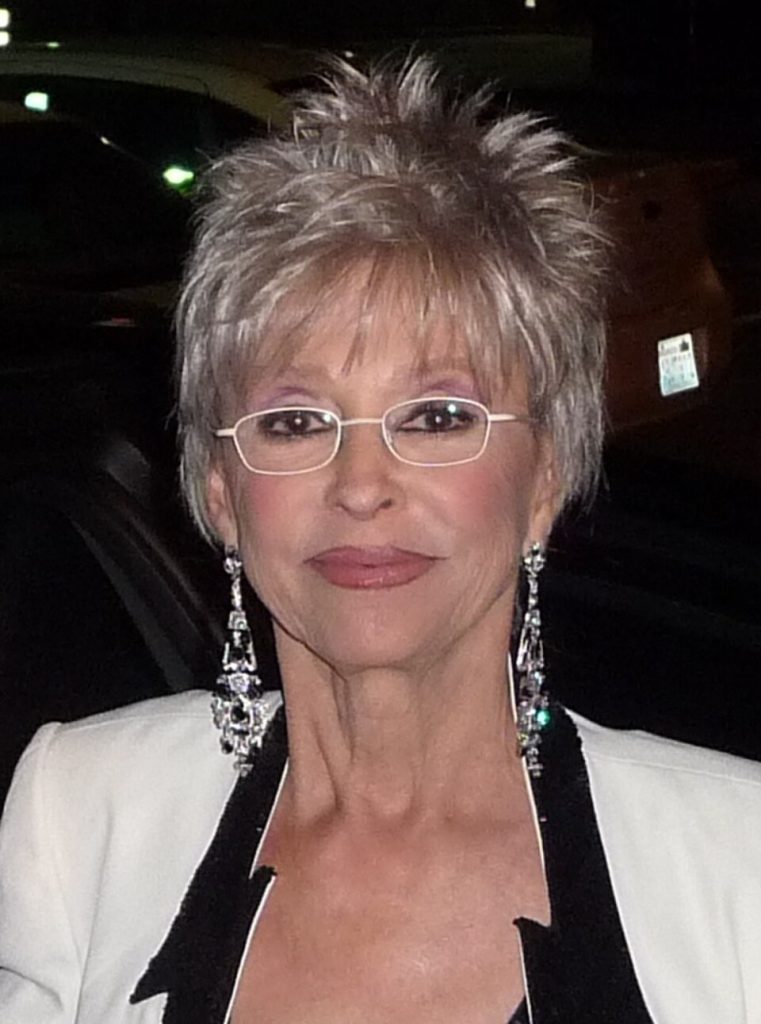
Rosa Dolores Alverío Marcano was just 18 when MGM signed her and immediately decided her real name would not do. The studio settled on Rita Moreno without much input from her, and while she reportedly found the name unremarkable, it became the name attached to an Oscar win and a groundbreaking career for Latina performers in Hollywood.
Winona Ryder
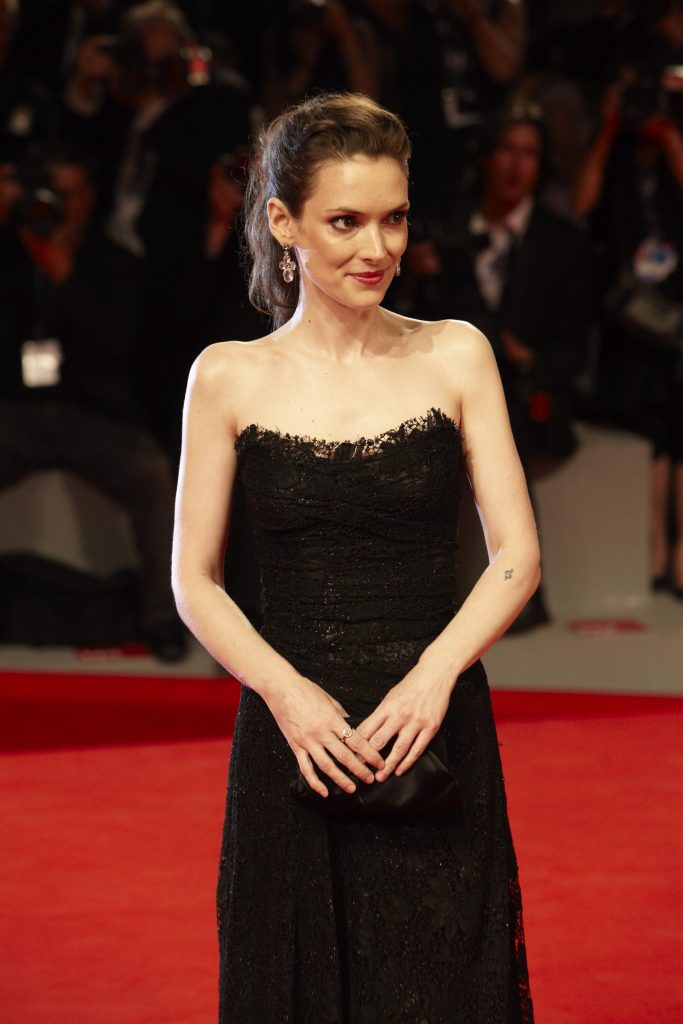
When the time came to assign a screen credit to Winona Horowitz, she was simply asked what she wanted to be called. A record by Mitch Ryder happened to be playing nearby, and on an impulse, she said Ryder. That spontaneous moment produced one of the most recognizable names in 1990s cinema.
John Aniston

Yannis Anastassakis was born in Crete and came to America as part of a family that anglicized everything to ease their transition into a new country. He became John Aniston, and that adopted surname was eventually passed on to his daughter, Jennifer, who would carry it to worldwide fame.
Anthony Quinn

Manuel Antonio Rodolfo Quinn Oaxaca had Irish heritage on his grandfather’s side, and the surname Quinn offered a convenient way to present himself more broadly. He anglicized Antonio to Anthony and went on to build a career full of rich, complex roles. In later years, he spoke openly about the identity questions that never quite left him throughout his life.
Nina Dobrev
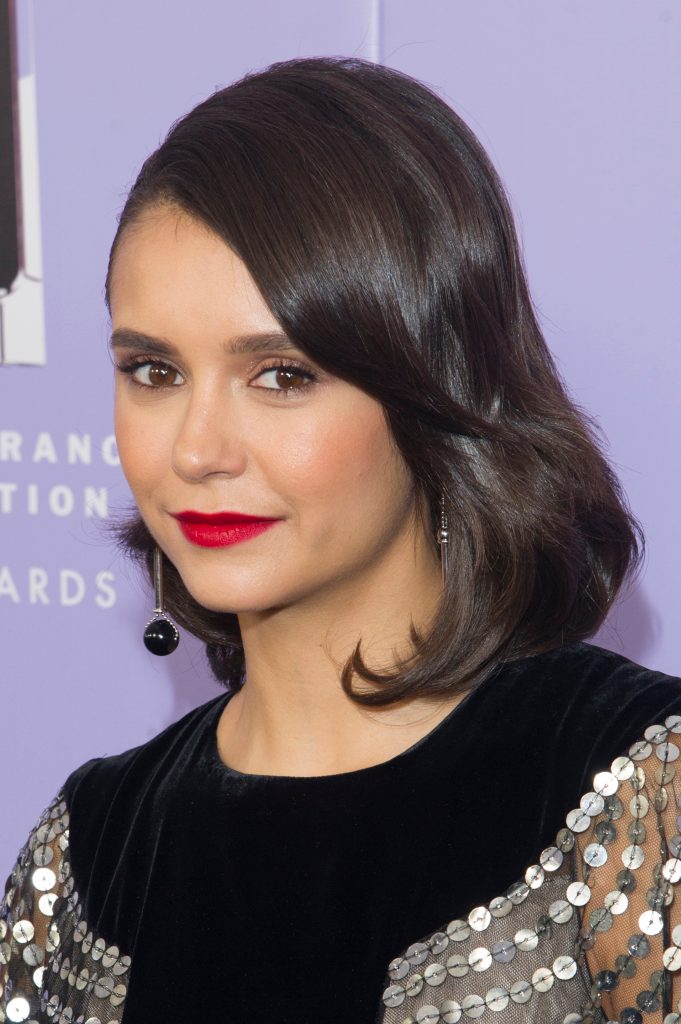
Nikolina Konstantinova Dobreva found that her full name was nearly always mangled or abbreviated without her input. She took control of the situation herself, simplifying things to Nina Dobrev, a name that felt manageable while still honoring her Bulgarian background.
Aaron Paul

The full name Aaron Paul Sturtevant consistently tripped up the people he auditioned for, and the surname became an unnecessary hurdle. He dropped it entirely and went with Aaron Paul, a clean and memorable combination that eventually became famous through his work on Breaking Bad.
Joan Crawford
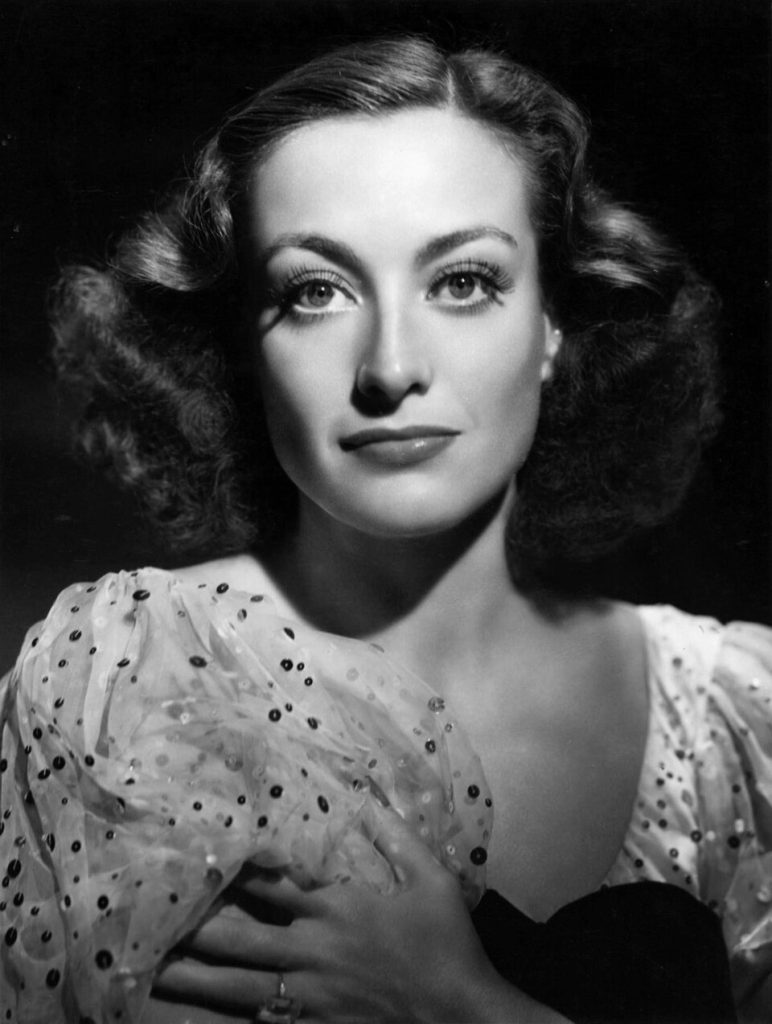
Lucille LeSueur had no hand in choosing the name that would define her entire legacy. MGM opened the decision up to a public competition, and the winning submission was Joan Crawford. She reportedly never warmed to it, yet it became one of the most enduring names in the history of Hollywood.
Christina Milian
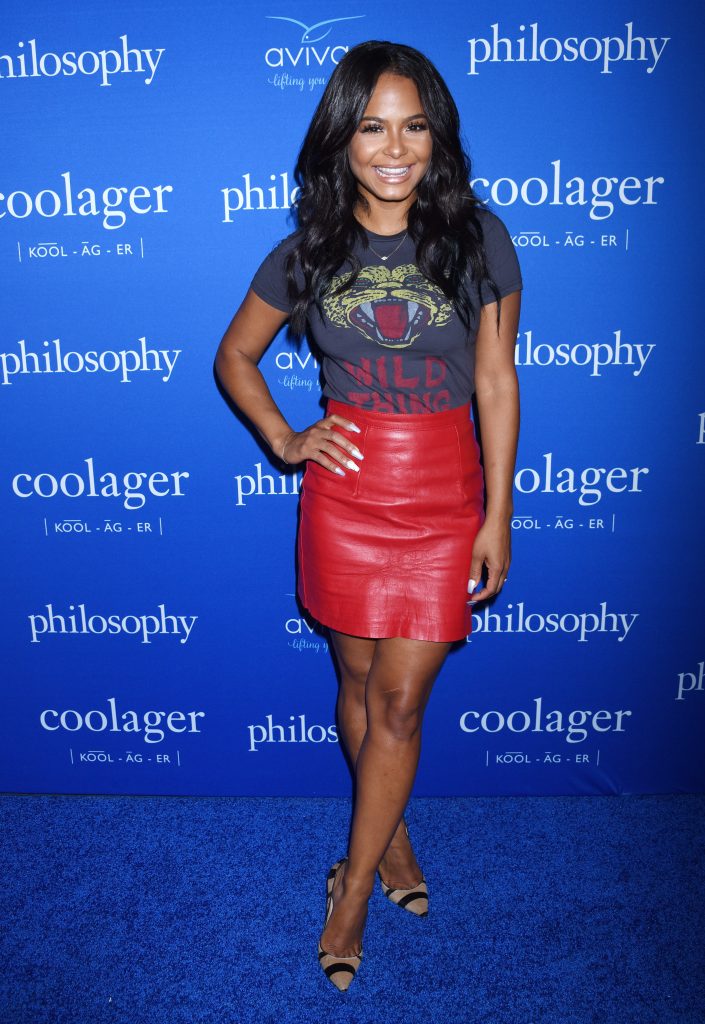
Rather than perform under Christine Flores, she chose to use her mother’s maiden name and step into the spotlight as Christina Milian. The shift gave her a distinctive professional identity and allowed her talent to be judged without the industry’s tendency to pre-sort performers by name.
Marc Anthony
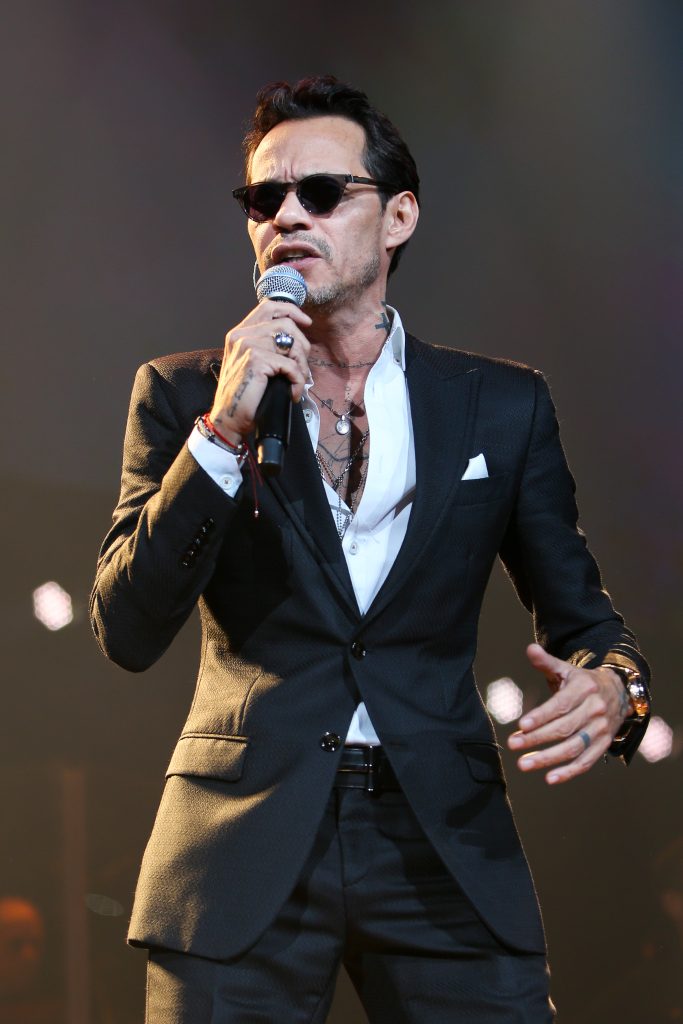
Marco Antonio Muñiz shared his name with a celebrated Mexican singer, which created an immediate problem. Adopting the stage name Marc Anthony gave him the breathing room to forge his own path, and he went on to become one of the most successful Latin music artists of his generation.
Alicia Keys
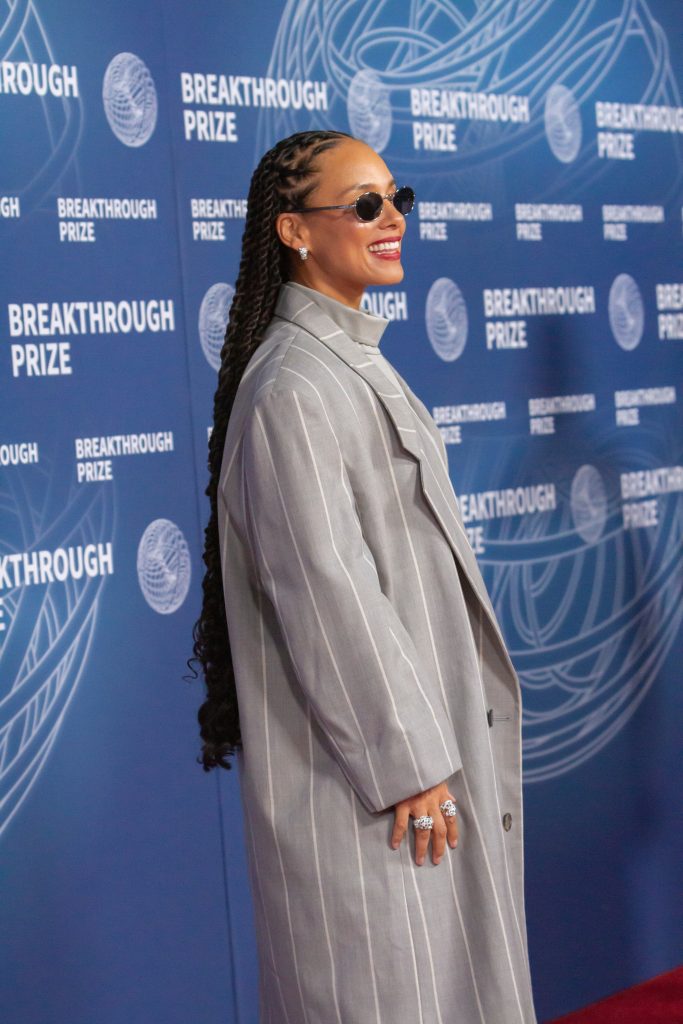
There was deliberate thought behind Alicia Augello Cook’s choice to become Alicia Keys. The surname was meant to reflect both her relationship with the piano and the idea of unlocking something meaningful through music. It turned out to be a perfect fit for the artist she became.
Theo James
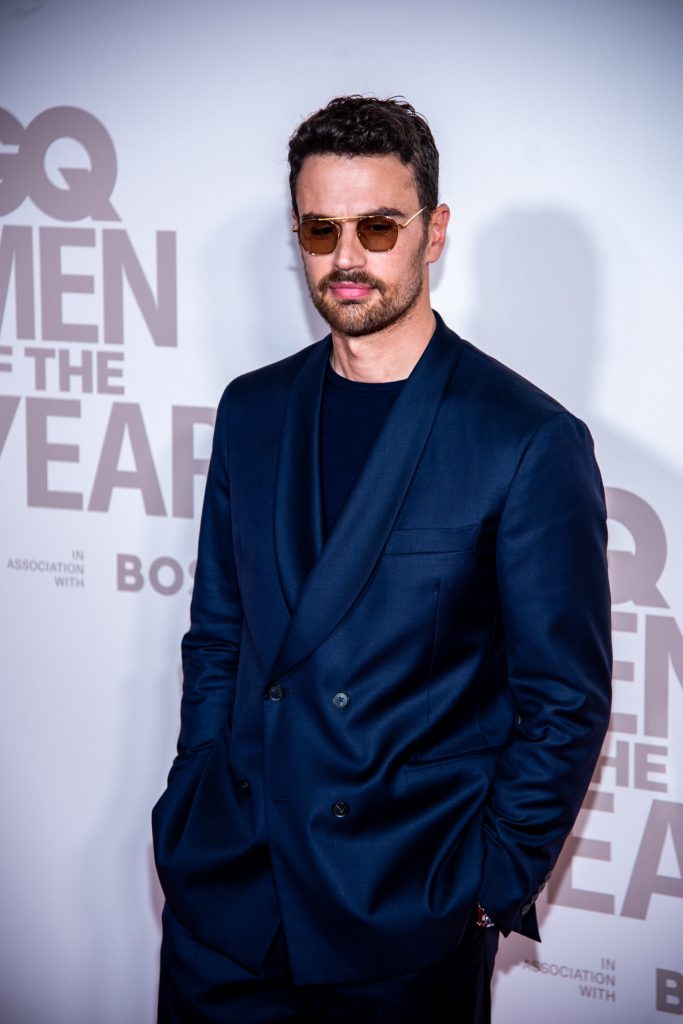
Theodore Peter James Kinnaird Taptiklis recognized early on that his Greek surname was going to be a complicating factor in an industry that already had enough reasons to overlook people. He simplified his professional name to Theo James, keeping part of his given name intact in the process.
Harry Morgan
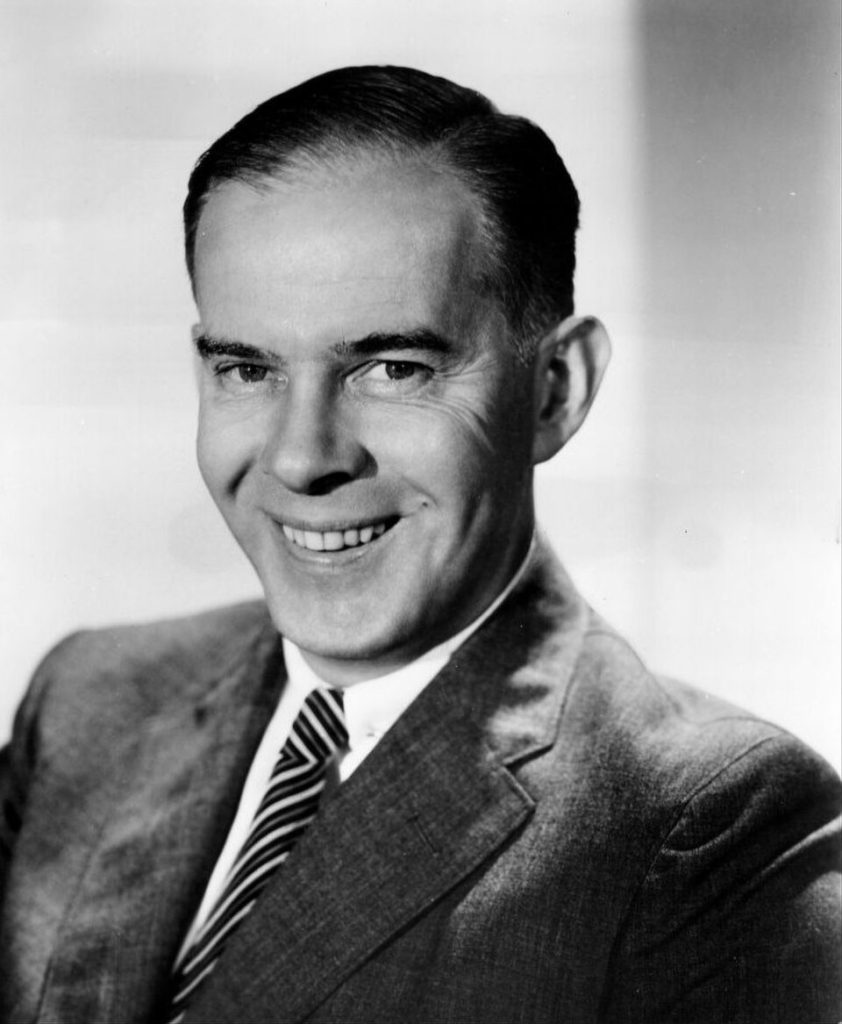
Harry Bratsberg did not particularly want to change his name, but pressure from within the industry eventually won out. He became Harry Morgan, and while the name served his career well, he later admitted that losing Bratsberg felt like losing a piece of his Scandinavian family history.
Ritchie Valens
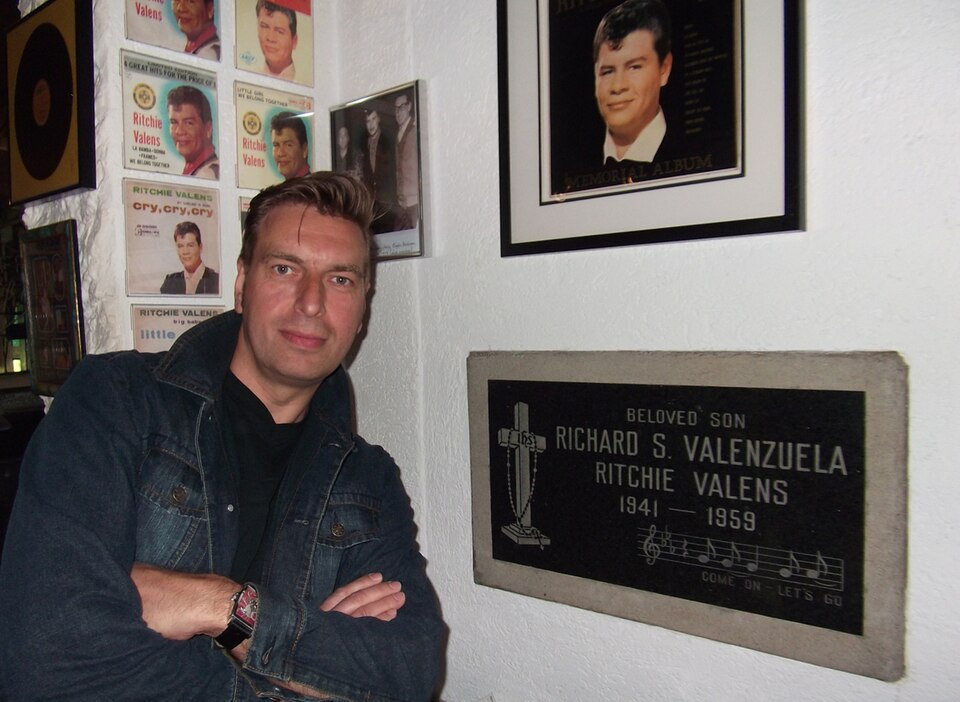
Richard Valenzuela’s record label told him his surname was too ethnic for radio audiences, a decision that laid bare the exclusionary thinking that shaped the music business during that period. He was repackaged as Ritchie Valens and became a pioneering Latino voice in rock and roll, though the recognition came with a cultural trade-off he never agreed to.
James Roday Rodriguez

During the 1990s, James David Rodriguez was essentially told that his name would typecast him before he even walked through the door. He became James Roday and worked under that name for roughly two decades before deciding enough was enough. Reclaiming Rodriguez was a public acknowledgment of the cost that compromise had carried, and a commitment to moving forward as himself.
Anita Page
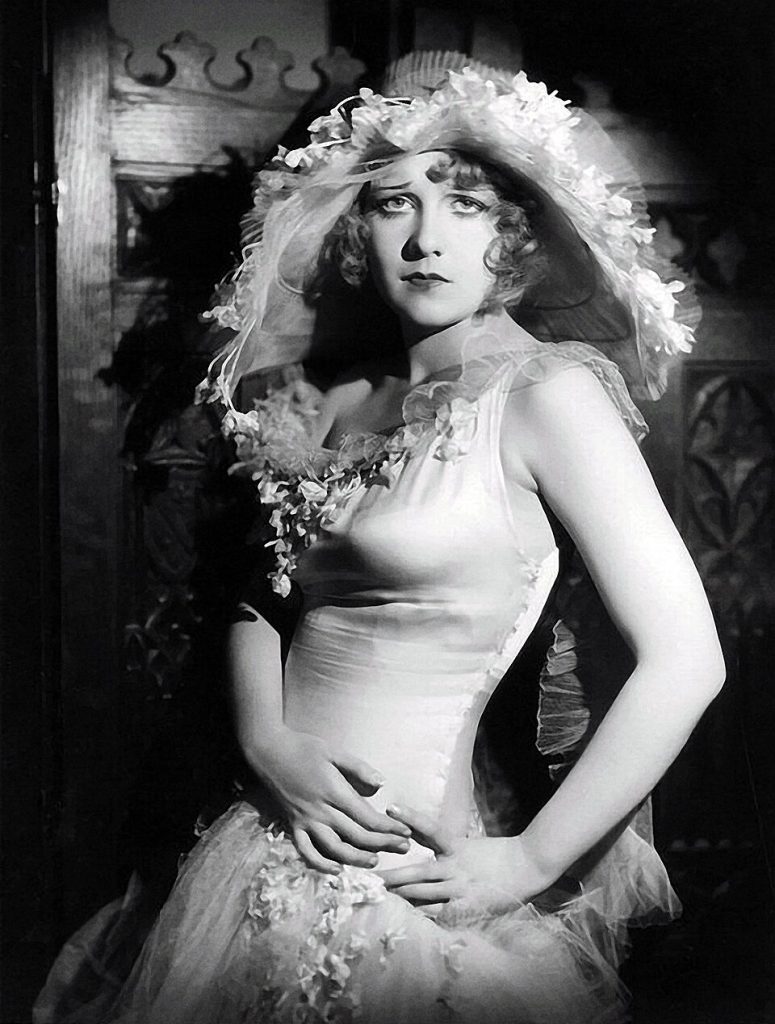
MGM found Anita Pomares too plain a name for the image they were building. She was first rechristened Ann Page, then Anita Page when the first option proved unavailable. The result was a polished Hollywood identity that had nothing to do with who she actually was or where she came from.
Steven Bauer
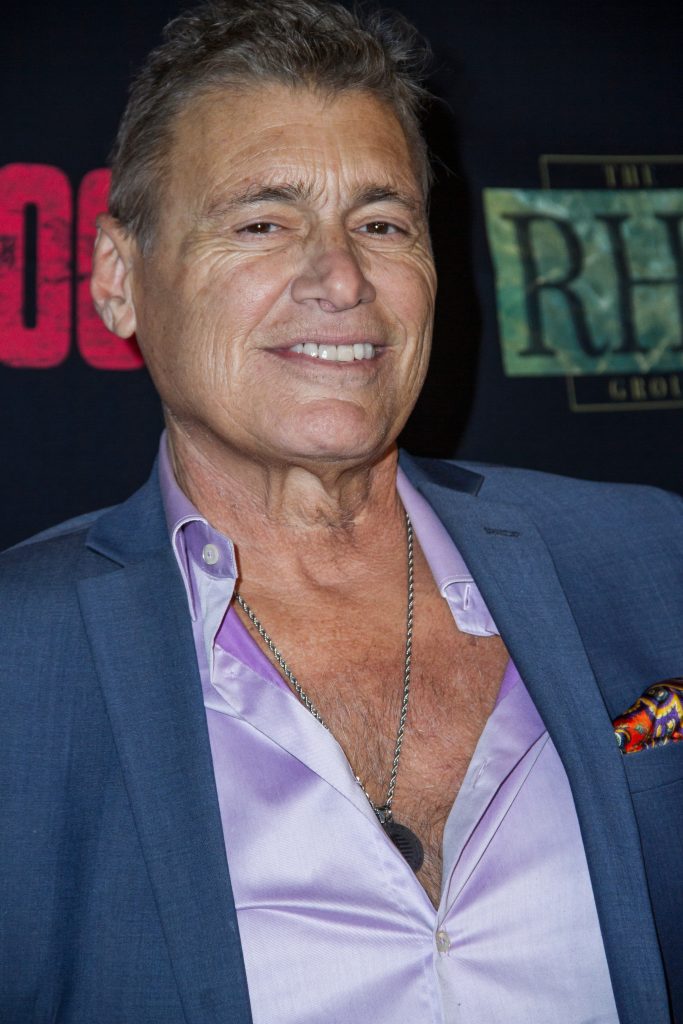
Rocky Echevarría knew the industry had a pattern of sidelining Latino performers, and he made the pragmatic decision to adopt his mother’s German surname, becoming Steven Bauer. The career gains were real, but as he later acknowledged, they came at a genuine personal cost.
Jsu Garcia
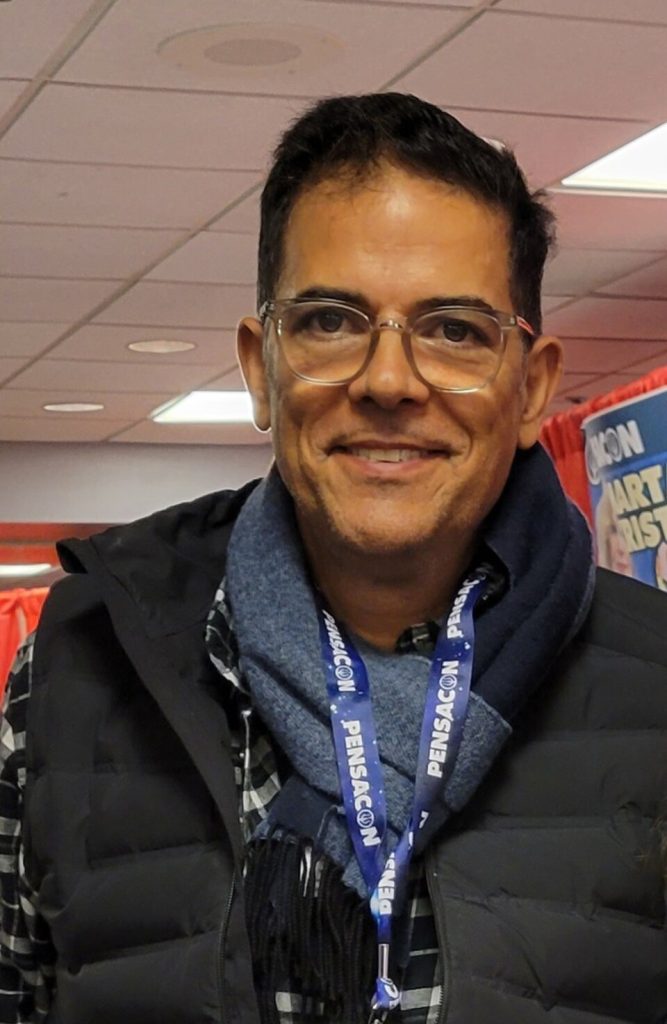
Jesus Garcia was advised by his representatives that Hollywood simply was not ready to embrace a Latino name at the top of a credits list. He spent close to 20 years working as Nick Corri before choosing to reclaim his identity in 1999. Returning to Jsu Garcia was both a professional statement and a personal one.