Anne Hathaway Faced Years of Online Hate, But Here’s How She Handled It

Anne Hathaway is one of Hollywood’s biggest stars. She has been part of hit movies like The Princess Diaries, The Devil Wears Prada, Les Misérables, and Interstellar. Many people admire her acting, but for years, she also faced a surprising amount of online hate.
The backlash became so well known that people even gave it a name, “Hathahate.” While many fans never understood the criticism, the negative comments spread across social media and entertainment websites. Over time, Hathaway spoke openly about the experience and how it affected both her personal life and career.
Here are some of the biggest reasons behind the “Hathahate” story and how Anne Hathaway moved forward.
The internet even gave the backlash its own name
The criticism became so common that people started calling it “Hathahate.” The phrase quickly spread online, especially on social media, where users shared jokes, memes, and negative opinions about the actress.
The nickname made the backlash feel even bigger. It was no longer just a few comments. It became a trend that many people joined.
Her Oscar win brought more attention
In 2013, Hathaway won the Academy Award for Best Supporting Actress for her role in Les Misérables. It should have been one of the happiest moments of her career.
Instead, many people began criticizing her after the win. Rather than celebrating her success, online conversations often focused on mocking her speeches and public appearances.
Some people thought she tried too hard
One common complaint was that Hathaway always seemed eager to do everything perfectly.
Some critics felt she looked too prepared or too polished during interviews and award shows. Supporters, however, saw her as someone who simply cared about her work and wanted to do her best.
She was often called a “theater kid”
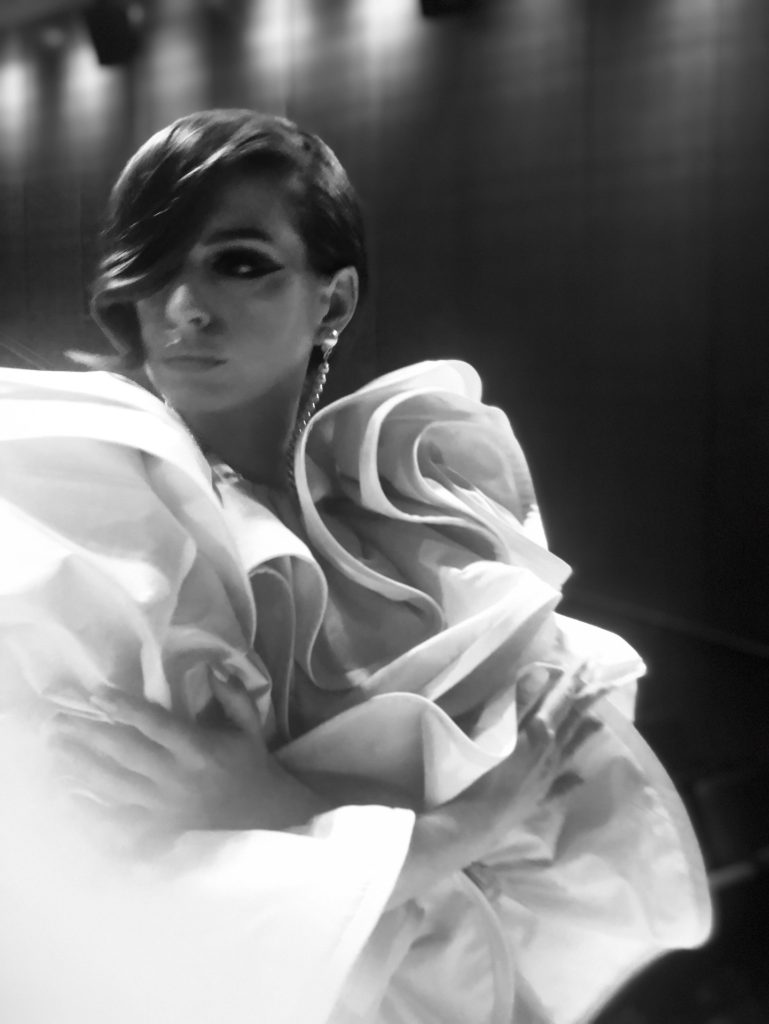
Many people compared Hathaway to the student in school who loved acting and drama clubs.
The term “theater kid” was used to describe someone who seemed very expressive, energetic, and emotional. While some people found that personality fun, others unfairly used it as a reason to criticize her.
Her award speeches became an easy target
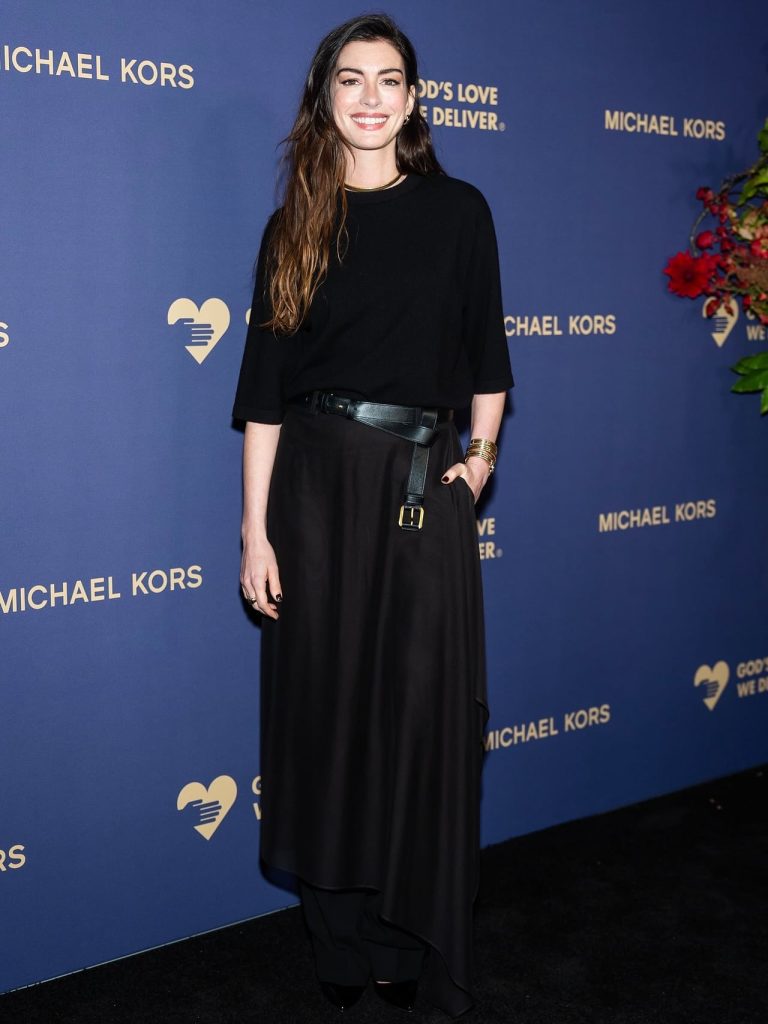
Hathaway’s acceptance speeches were often shared online after major events.
Some viewers thought she sounded too serious or too emotional. Clips from her speeches were reposted many times, leading to jokes and negative comments across social media.
People said she seemed “too perfect”

Another strange criticism was that Hathaway looked too perfect.
Some people believed she always appeared well-spoken, friendly, and carefully put together. Instead of seeing these as positive traits, critics claimed she came across as less relatable.
Many fans argued that expecting someone to be disliked simply because they appear polished makes little sense.
The media helped keep the story alive
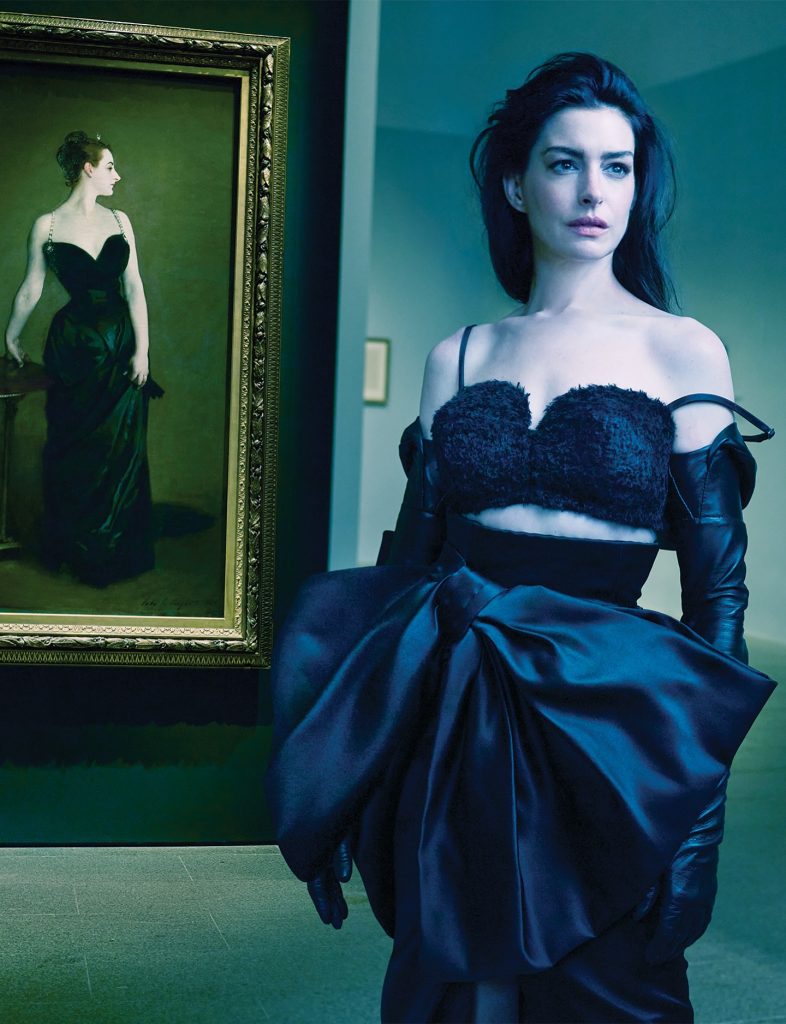
Over the years, newspapers, websites, and TV shows often discussed the growing backlash.
The more people talked about “Hathahate,” the more attention it received. Even people who had no strong opinion about Hathaway became familiar with the trend because it appeared so often in entertainment news.
Hathaway believed sexism played a role

Anne Hathaway has spoken about the criticism herself. In interviews, she suggested that part of the problem came from how women in Hollywood are judged.
She pointed out that one well-known article discussing the backlash was written by a man. Hathaway also said she generally felt supported by the women she worked with in the film industry.
Experts offered unusual theories
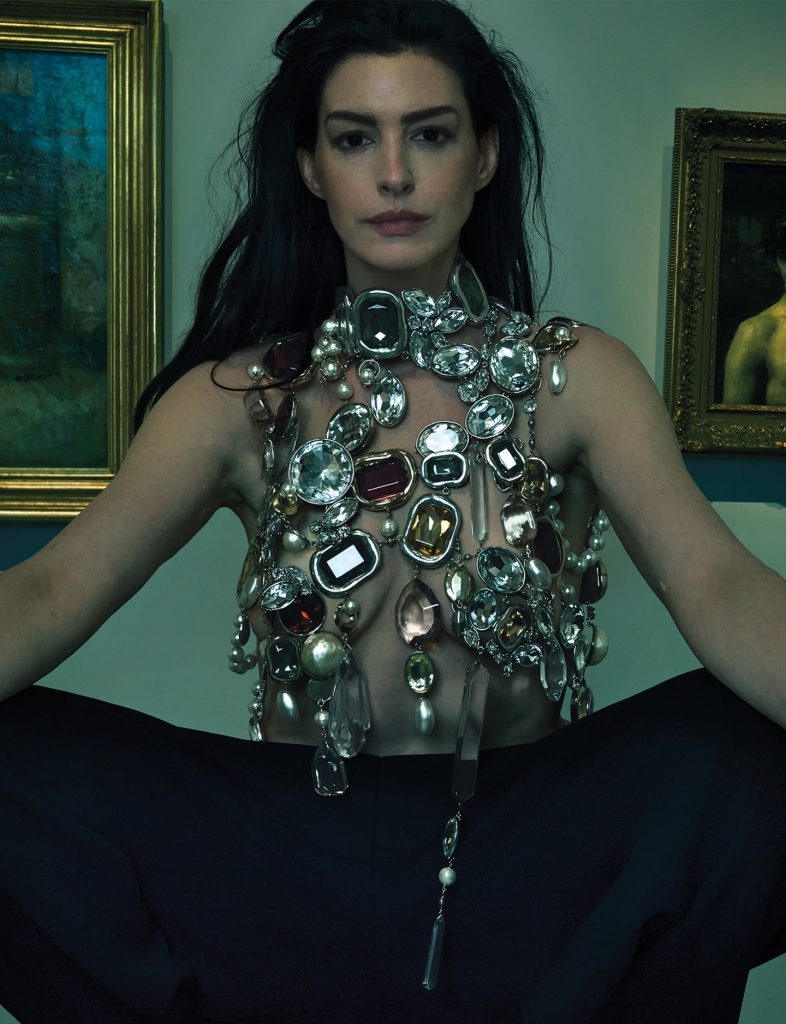
Some researchers also tried to explain why public opinion shifted.
One psychology professor suggested that people’s preferences for celebrities may change depending on the mood of society. The idea was that certain facial features might seem more appealing during different times.
While the theory received attention, many people saw it as only one possible explanation rather than a proven fact.
Social media made the negativity spread faster

Online platforms played a big part in the story.
As more users shared jokes, memes, and critical posts, the negativity became harder to escape. Even people who had never watched Hathaway’s movies often repeated opinions they had seen online.
The bandwagon effect became part of the conversation
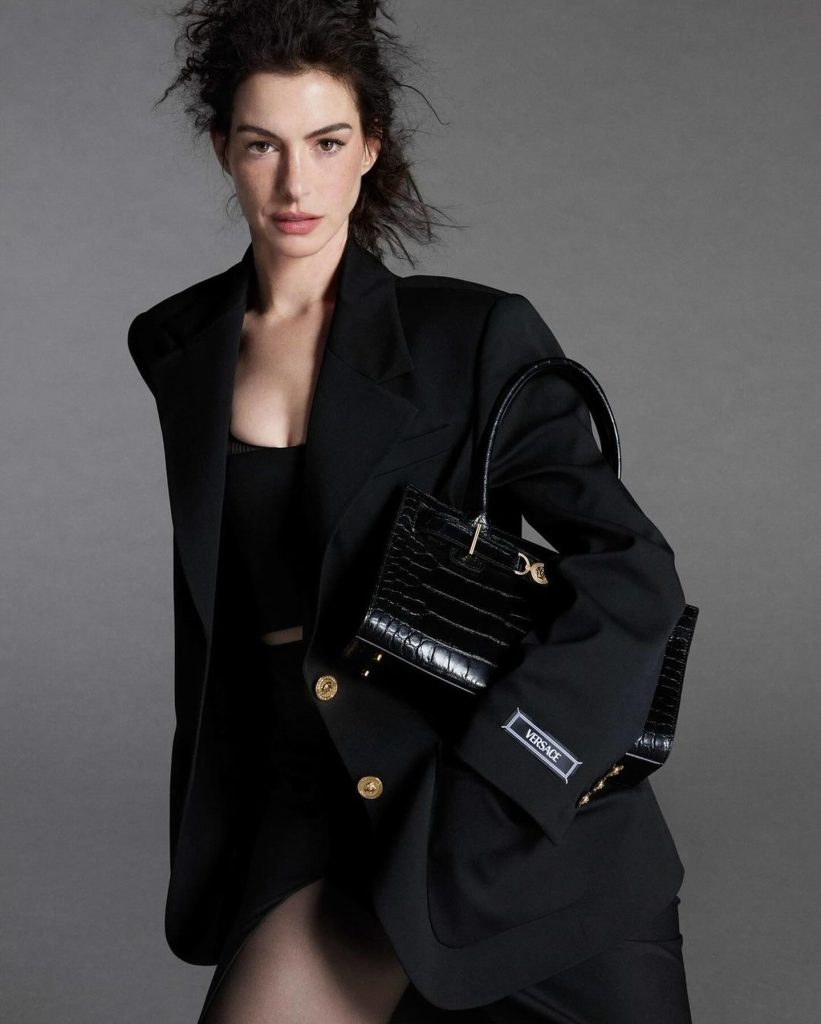
Psychologists often talk about the “bandwagon effect.” This happens when people copy the opinions or actions of others without thinking much about them.
Many observers believe this helped the “Hathahate” trend grow. Once it became popular to criticize Hathaway, more people joined in simply because everyone else seemed to be doing the same.
The backlash affected her career
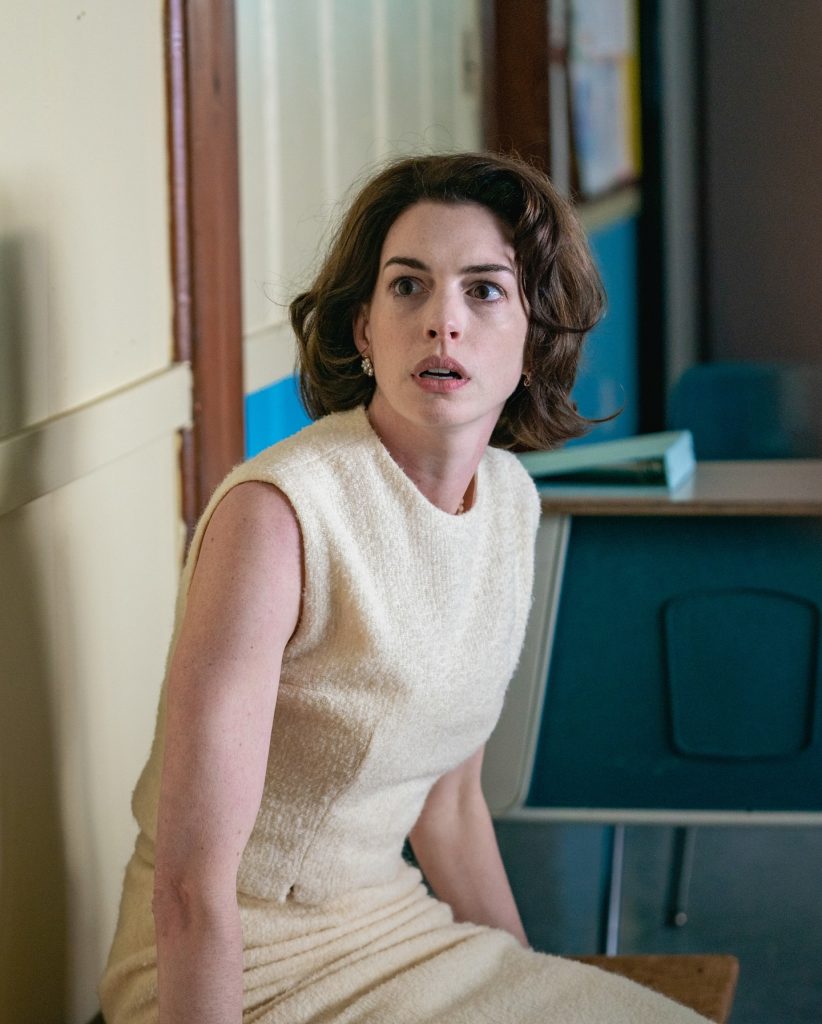
Years later, Hathaway revealed that the online negativity had real consequences.
In a 2024 interview with Vanity Fair, she said some filmmakers were worried about casting her because they believed her public image had become too negative online.
It showed that internet trends can sometimes have real effects on a person’s career, even when they are based mostly on public opinion.
She chose to keep moving forward
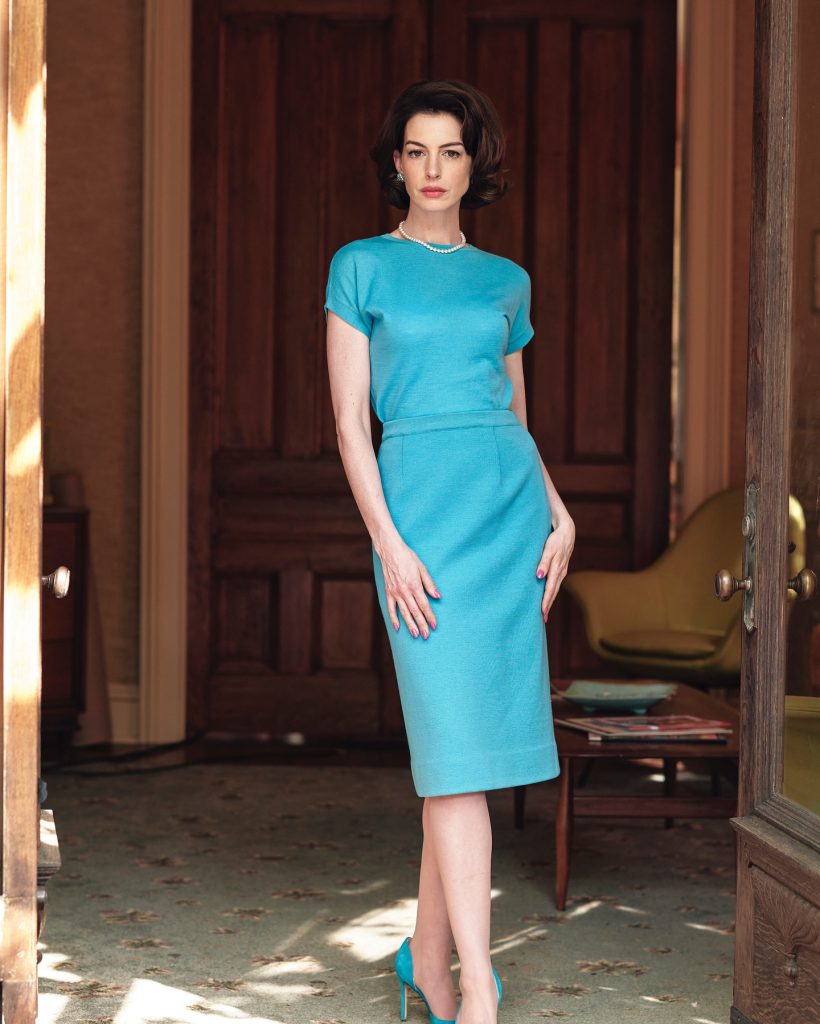
Instead of responding with anger, Hathaway focused on her work.
She continued acting in major films and slowly rebuilt public support. Over time, many fans began speaking out in her defense and questioned why she had received so much criticism in the first place.
Public opinion has changed over time

Today, many people look back on the “Hathahate” period differently.
Some believe the criticism was unfair and that Hathaway became the target of an internet trend that grew much larger than it should have. Others now appreciate her honesty about dealing with online hate and the pressure that comes with being in the public eye.
Her story is often seen as an example of how quickly public opinion can change and how celebrities can face intense criticism even when they have done little wrong.
Featured Image: Instagram.com/annehathaway