
Hollywood movies often bring big stars together. But sometimes, the actors chosen for certain roles create a lot of discussion. Over the years, many casting decisions have been praised, while others have faced strong criticism from fans, activists, and even fellow actors.
Many of these debates are about representation. People have questioned whether certain roles should go to actors who share the same background, identity, or life experiences as the characters they play. These conversations have become more common as the entertainment industry works toward greater diversity and inclusion.
Here are some Hollywood casting choices that became major talking points.
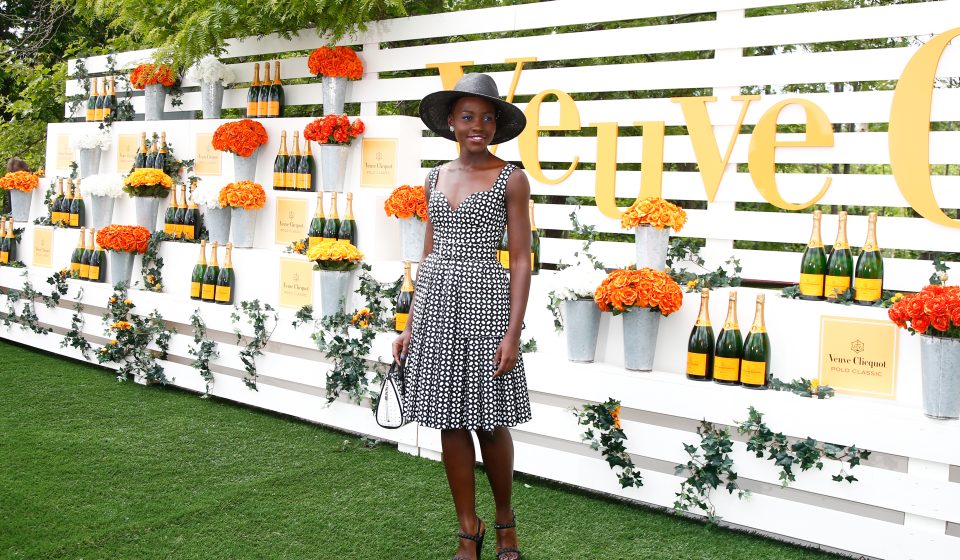
Lupita Nyong’o Faces Backlash Over ‘The Odyssey’

Oscar-winning actress Lupita Nyong’o was cast in Christopher Nolan’s upcoming film The Odyssey. In the movie, she is set to play both Helen of Troy and Helen’s sister, Clytemnestra.
Helen of Troy is one of the most famous figures in Greek mythology. She is often described as the most beautiful woman in the world and a key figure in the story that led to the Trojan War.
While many people welcomed Nyong’o’s casting, others criticized it online. Some of the comments were widely described as racist. The backlash quickly became part of a larger conversation about diversity and representation in major Hollywood productions.
Supporters pointed out Nyong’o’s award-winning talent and successful career, arguing that her acting ability should be the focus rather than her appearance or background.
Hugh Grant’s Oompa-Loompa Role Raises Questions
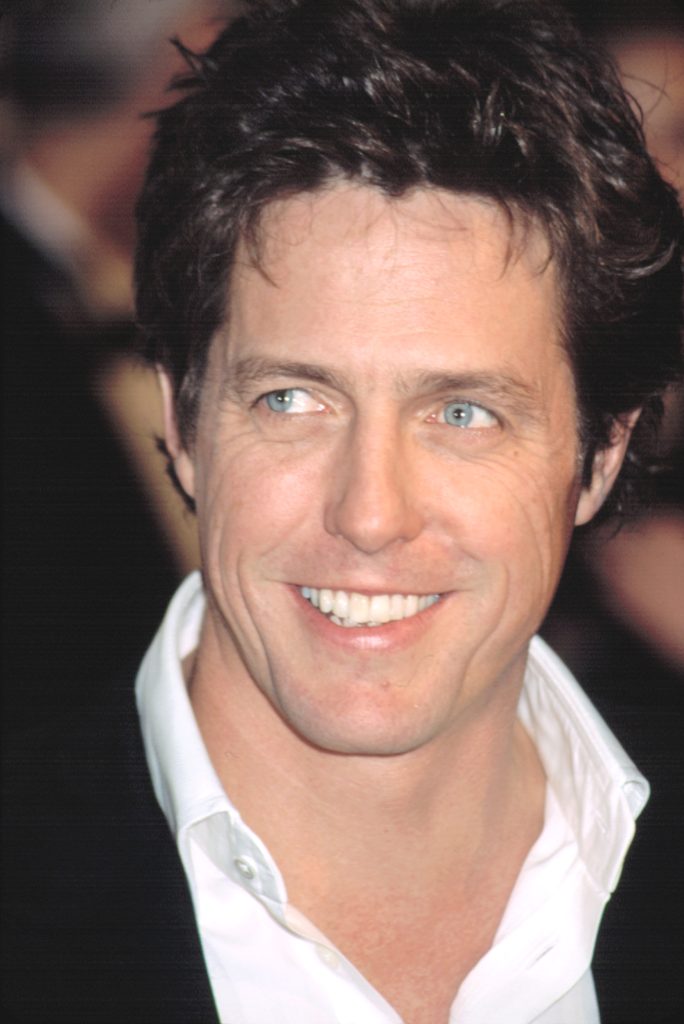
The 2023 film Wonka introduced audiences to a younger version of the famous chocolate maker, played by Timothée Chalamet. His casting was largely well received by fans.
However, another casting choice in the film sparked debate. Hugh Grant was cast as an Oompa-Loompa, one of the small workers from Roald Dahl’s classic story.
Using visual effects, filmmakers reduced Grant’s size and changed his appearance to match the traditional look of the character. Some members of the dwarfism community felt the role should have gone to an actor with dwarfism instead.
Actor George Coppen spoke publicly about the issue. He explained that performers with dwarfism already have limited opportunities in the industry. He argued that removing one of the few roles often associated with actors of short stature could make finding work even harder.
The discussion highlighted broader concerns about equal opportunities and representation in film.
Eddie Redmayne Later Regretted Playing Lili Elbe

In 2015, Eddie Redmayne starred in The Danish Girl. The film told the story of Lili Elbe, one of the first known people to undergo gender-affirming surgery.
At the time, Redmayne received praise for his performance. However, as conversations about transgender representation grew, many people questioned whether a transgender actor should have been given the role instead.
Years later, Redmayne shared his own thoughts on the casting decision. He said he would not take the role if the film were being made today.
The actor explained that he accepted the part with good intentions but now believes it was a mistake. His comments reflected how views on casting and representation have changed in recent years.
The debate became one of Hollywood’s most talked-about examples of changing industry standards.
Lin-Manuel Miranda Responds to Criticism of ‘In the Heights’
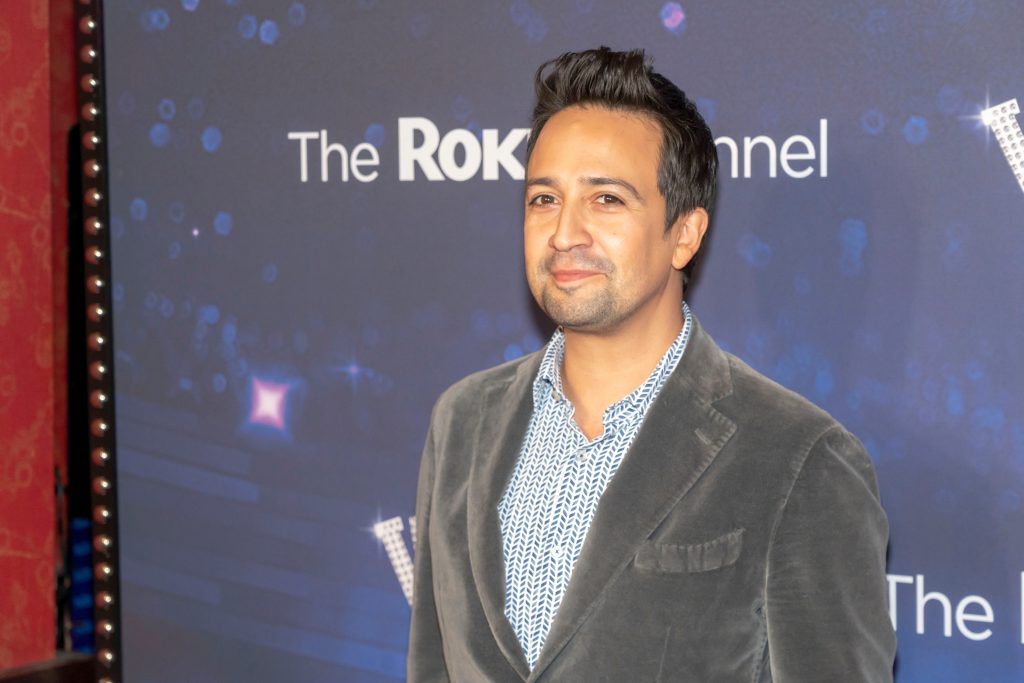
Lin-Manuel Miranda’s musical In the Heights was celebrated for bringing Latino stories to the big screen. The movie is set in Washington Heights, a neighborhood in New York known for its diverse Latino community.
Despite positive reviews, some viewers criticized the film for not including enough dark-skinned Afro-Latino actors in leading roles.
The criticism led to discussions about colorism, which refers to different treatment of people based on skin tone within the same ethnic or racial group.
Miranda responded publicly after hearing concerns from viewers. He acknowledged that many people felt unseen and disappointed by the film’s casting choices.
He admitted that the movie did not fully reflect the range of people found in the community it aimed to represent. Miranda also apologized and thanked critics for sharing their views.
His response was widely noted because it showed a willingness to listen to feedback and address concerns directly.
Maddie Ziegler’s Role in ‘Music’ Draws Criticism

Singer Sia made her directorial debut with the film Music. The movie featured dancer and actress Maddie Ziegler in the lead role.
Ziegler played an autistic character, but she is not autistic herself. This casting decision quickly became controversial.
Autism advocacy groups argued that an autistic actor should have been chosen for the role. They said the decision missed an opportunity to provide representation and visibility to performers on the autism spectrum.
The criticism grew as the film received attention during awards season. Some organizations even called on industry members to avoid supporting the movie.
Sia defended the project on social media, leading to heated online discussions. The controversy kept the film in the headlines and sparked wider conversations about who should portray disabled characters on screen.
Scarlett Johansson and the ‘Ghost in the Shell’ Debate

Scarlett Johansson is one of Hollywood’s biggest stars, but one of her casting choices generated significant criticism.
In the 2017 live-action adaptation of Ghost in the Shell, Johansson played Major Motoko Kusanagi, a character originally created in a Japanese manga series.
Many critics argued that the role should have gone to an Asian actress. The debate became part of a larger discussion about “whitewashing,” a term often used when white actors are cast in roles originally written as people of color.
Supporters of the casting pointed to Johansson’s star power and acting experience. Critics, however, felt that Hollywood had missed an opportunity to provide greater representation for Asian actors.
The discussion surrounding Ghost in the Shell became one of the most widely known casting controversies of the decade.
Hollywood continues to face questions about representation, inclusion, and fairness when choosing actors for major roles. While opinions often differ, these casting decisions show how strongly audiences care about seeing diverse communities represented on screen. As the industry evolves, conversations about who gets cast and why are likely to remain an important part of filmmaking.
Featured Image Source: Shutterstock