
Legendary Bands That Replaced Their Lead Singers and Continued Their Musical Journey

Replacing a beloved lead singer is one of the most difficult decisions any band can make, particularly when fans strongly associate a group’s identity with a single iconic voice. Yet these legendary acts demonstrated that change, while challenging, can also create exciting opportunities for artistic growth.
Whether driven by tragedy, creative differences, or changing circumstances, each lineup change shaped the band’s history in unique ways. Their continued success reminds music lovers that while legendary vocalists leave unforgettable legacies, great bands can sometimes write remarkable new chapters with fresh voices leading the way.
Linkin Park Began a New Era With Emily Armstrong

Linkin Park faced an enormous challenge after the tragic passing of lead vocalist Chester Bennington in 2017. After several years away from the spotlight, the band chose to continue its musical journey with Emily Armstrong as its new lead singer.
The decision marked the beginning of a fresh chapter while honoring Bennington’s lasting legacy. Fans welcomed the band’s return with curiosity, recognizing both the emotional significance of the transition and the opportunity for a new creative direction.
Van Halen Proved Change Could Bring New Success

Van Halen became famous with the energetic performances of David Lee Roth, whose charisma helped define the band’s early years. When Roth departed, many wondered whether anyone could fill such a distinctive role.
Sammy Hagar stepped in and helped the group reach another level of commercial success with a different musical style. His powerful vocals introduced a fresh sound that allowed Van Halen to thrive with a new generation of fans.
AC/DC Reached New Heights After a Tragic Loss

AC/DC suffered a heartbreaking setback following the death of legendary vocalist Bon Scott in 1980. Rather than ending the band’s story, the remaining members recruited Brian Johnson to carry the music forward.
Johnson’s debut on the album Back in Black became one of the greatest success stories in rock history. His arrival proved that even after losing an iconic frontman, a band could create an enduring legacy with a new voice.
Black Sabbath Experienced Multiple Vocal Transformations
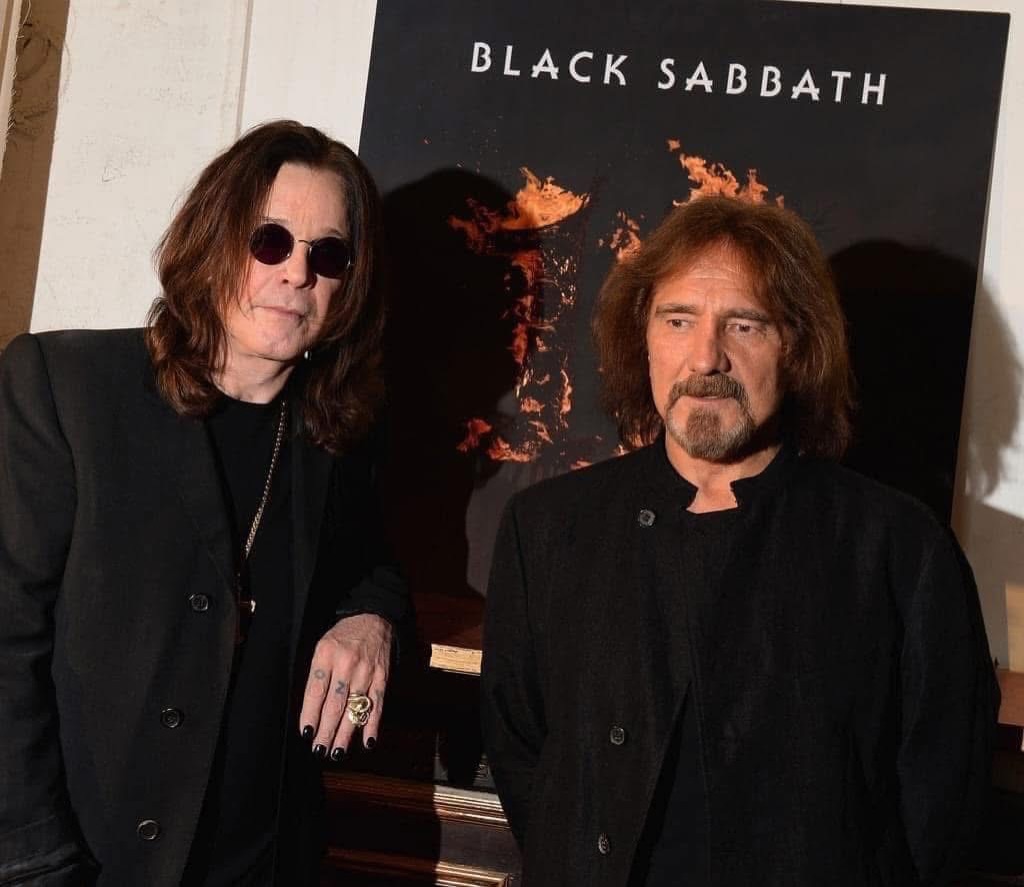
Black Sabbath has featured several lead vocalists throughout its remarkable career. While Ozzy Osbourne established the band’s signature sound, Ronnie James Dio later introduced a different vocal style that earned widespread praise.
Over the years, singers including Ian Gillan, Glenn Hughes, and Tony Martin also contributed to the band’s evolving identity. Each era brought fresh musical influences while preserving Black Sabbath’s status as heavy metal pioneers.
Queen Continued Performing With New Vocalists

Queen lost one of music’s greatest performers when Freddie Mercury passed away in 1991. Although the band recognized that Mercury could never truly be replaced, they eventually returned to the stage with guest vocalists.
Paul Rodgers first joined Queen for live performances before Adam Lambert became the band’s regular touring frontman. Rather than attempting to imitate Mercury, both singers brought their own styles while celebrating his extraordinary legacy.
Mötley Crüe Briefly Reinvented Its Sound

For most fans, Vince Neil has always been the unmistakable voice of Mötley Crüe, but he temporarily left the band in the early 1990s. During his absence, John Corabi stepped in as lead singer between 1992 and 1996, bringing a heavier and more hard-rock-oriented style.
Although the lineup change divided longtime fans, Corabi’s contribution added a unique chapter to the band’s history. Vince Neil eventually returned, restoring the classic lineup that many listeners continue to associate with Mötley Crüe.
Alice in Chains Honored Its Legacy While Moving Forward

Alice in Chains paused its career following the death of lead vocalist Layne Staley in 2002. After several years, the band reunited with William DuVall, beginning a respectful new chapter in its history.
Their first album featuring DuVall demonstrated that the group could continue creating meaningful music without abandoning its roots. By honoring Staley’s memory while embracing a new vocalist, Alice in Chains successfully balanced tradition with renewal.
Featured Image Source: instagram.com/davidleeroth