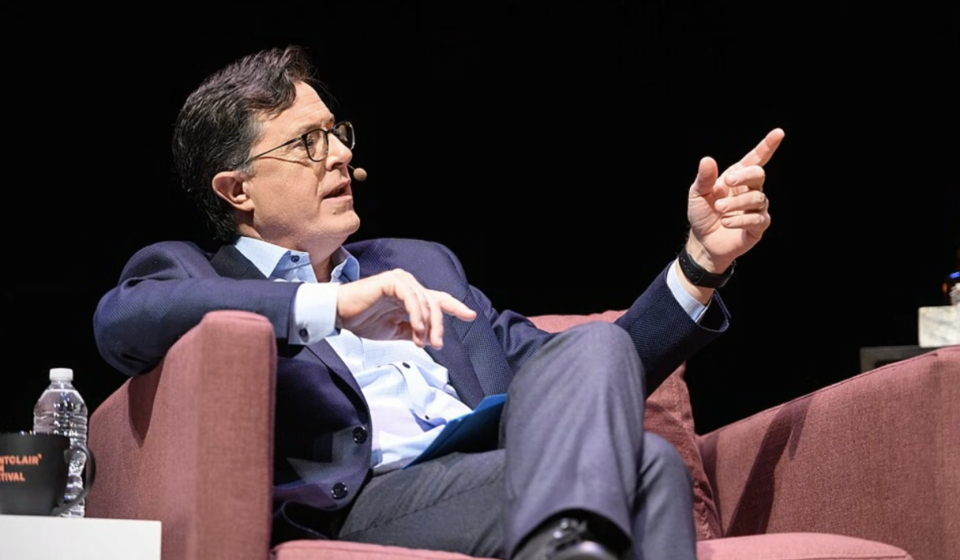

CBS canceled Stephen Colbert’s Late Show in July 2025 and framed it as a purely financial decision. But the farewell run that followed produced the biggest numbers of his entire eleven-year late-night career.
The May 21 finale drew a record 6.74 million viewers according to Nielsen data. That figure more than doubled his 2026 season average. It was a stunning send-off for a host who had just been told his time was up.
The cancellation that shocked late-night
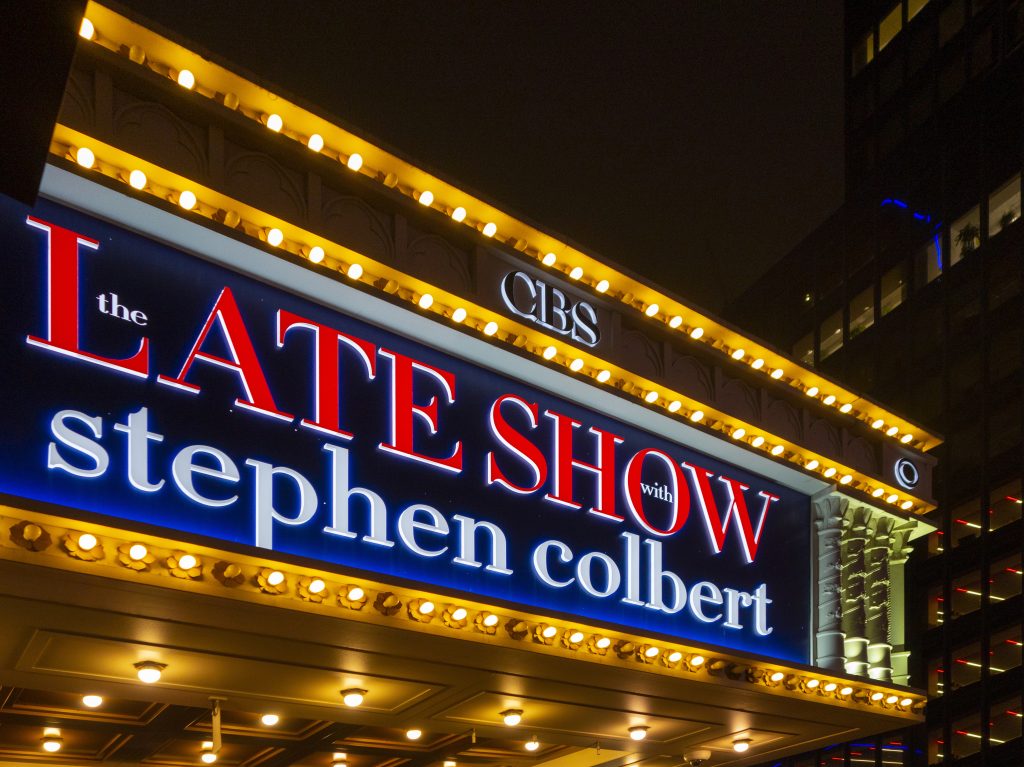
CBS announced in July 2025 that The Late Show with Stephen Colbert would wrap up in May 2026. The network pointed entirely to financial reasons. Fans and media insiders across the country were largely unconvinced.
The timing triggered serious questions throughout the industry. The announcement landed just days after Colbert openly criticized Paramount’s $16 million Trump settlement on live television. Many observers viewed the sequence of events as politically motivated and highly suspicious.
A show at the top of its game
When CBS made its decision, The Late Show was sitting at the top of broadcast late-night. Colbert had held that position for years. The network was walking away from its strongest performing program without naming any replacement host.
Colbert averaged 2.42 million viewers during the second quarter of 2025. That number outpaced every competing late-night broadcast show at the time. Canceling such a clear ratings winner left the television industry both puzzled and frustrated.
The Paramount and Skydance connection

Paramount, which owns CBS, was in the middle of pursuing an $8.4 billion merger with Skydance Media that required FCC approval from the Trump administration. Colbert’s repeated and vocal criticism of Trump made network executives visibly uncomfortable throughout that process.
He described the Paramount settlement with Trump as a large, obvious bribe on live television. CBS announced the cancellation within days. Colbert later told the New York Times that both political and financial pressures likely shaped the final outcome.
Viewers rallied around their host

Once the news went public, audiences responded with passionate and vocal support for Colbert. The week of July 17, 2025, became his highest weekly audience share since he first took over from David Letterman in 2015.
The Late Show pulled in over three million viewers the week after the cancellation was announced. That marked Colbert’s strongest weekly performance in more than two years. The surge sent a clear message from a deeply loyal fanbase.
The penultimate week stole the spotlight
During his second-to-last week on air, The Late Show averaged 3.3 million viewers per Nielsen. That figure knocked Fox News’s Gutfeld out of the top late-night position it had maintained throughout all of 2026.
Colbert’s second-to-last week brought in nearly as many viewers as Fallon, Kimmel, and Meyers combined. That kind of performance is extraordinary for any broadcast show in today’s fragmented streaming landscape. Late-night television had not seen anything quite like it in a long time.
A star-studded send-off
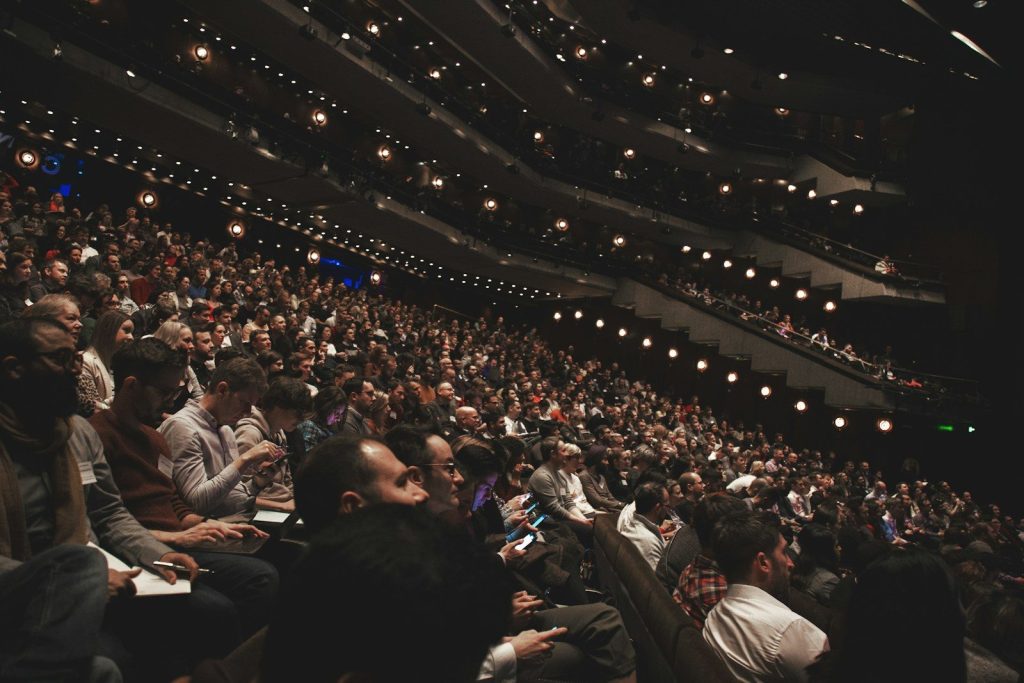
On May 20, CBS aired its most-watched broadcast in three years, attracting 4.1 million viewers. Jimmy Kimmel, Jimmy Fallon, Seth Meyers, and John Oliver all joined Colbert on stage. The night carried the weight of a genuine television milestone.
For the actual finale, Kimmel and Fallon both ran reruns so their regular audiences would shift over to CBS. That quiet act of professional solidarity said a great deal about the respect Colbert had earned across the industry. Late-night television came together behind one of its own.
The numbers that proved Trump wrong
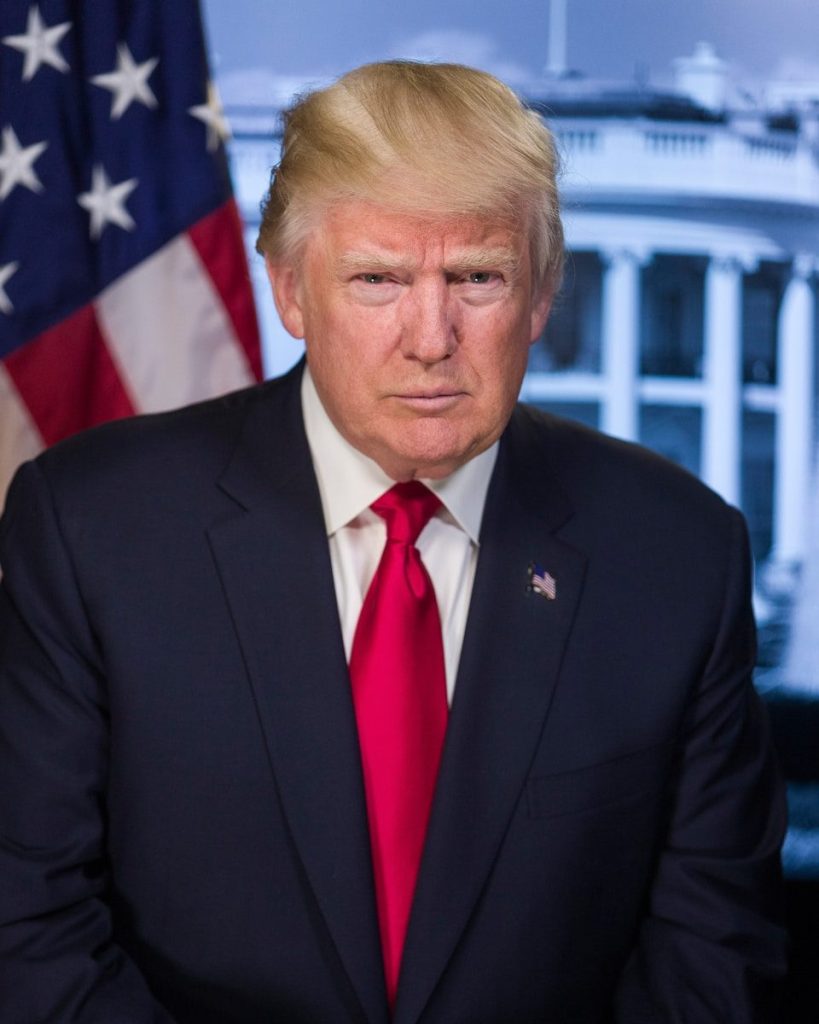
The finale pulled in 6.74 million viewers according to preliminary Nielsen data that CBS released on Friday morning. That result more than doubled the show’s first quarter 2026 average of 2.69 million viewers per episode.
Following the finale, Trump posted on Truth Social claiming Colbert had no talent and no ratings. Reports noted the post appeared around 2 a.m. The Nielsen figures made his assertion look entirely baseless.
Paul McCartney turned out the lights
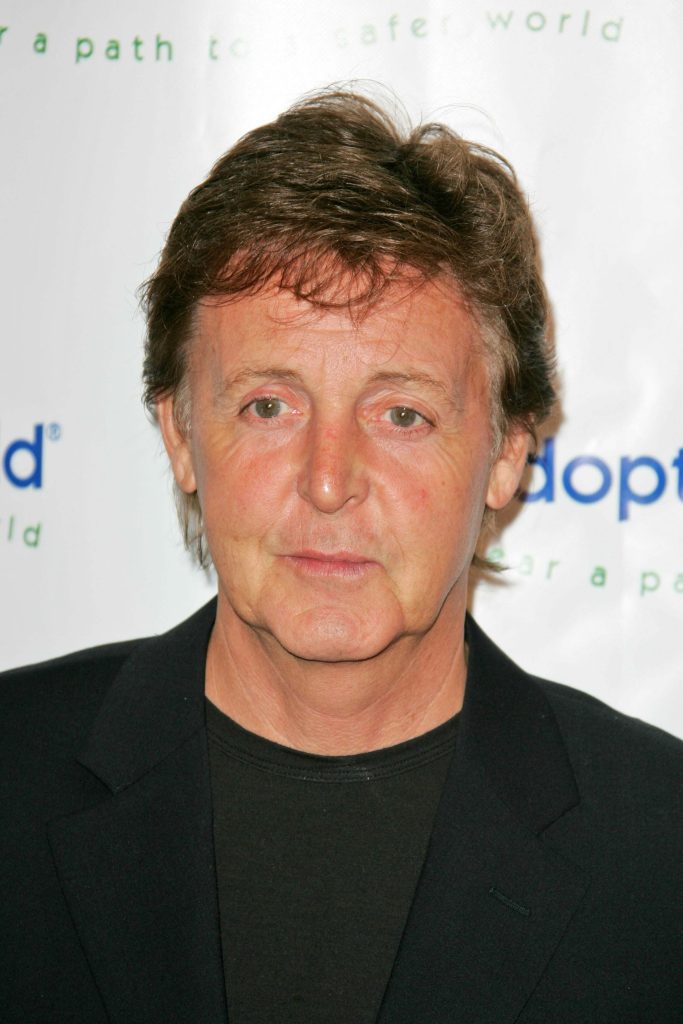
Beatles legend Paul McCartney served as the surprise final guest on the historic May 21 episode. He presented Colbert with a framed photograph of The Beatles performing at the Ed Sullivan Theater, captured in 1964.
The show closed with McCartney, Colbert, Elvis Costello, Louis Cato, and Jon Batiste performing Hello Goodbye together on stage. McCartney then cut the power to the theater. It stood as one of the most symbolic exits in late-night television history.
What CBS lost and what comes next
CBS filled The Late Show’s timeslot with Comics Unleashed hosted by Byron Allen. That program currently draws around 1.1 million nightly viewers. The contrast with Colbert’s farewell ratings is difficult to ignore.
The Late Show franchise came to a close after 33 years on CBS. David Letterman launched it in 1993, and Colbert carried it to the very end. CBS resolved its stated financial concern but created a rather public one in the process.
The legacy that numbers cannot fully capture

Colbert spent 11 seasons delivering sharp political comedy while building a genuine emotional connection with millions of viewers. He earned a Peabody Award in 2021 and received nine Emmy nominations for outstanding talk show during his time at CBS.
His final monologue reminded the audience that the show’s purpose was to experience the news together as a community. That shared connection brought millions of people back to their screens one final night. Colbert left late-night television exactly the way he had always approached it.
Featured Image: Wikimedia Commons