
Rock ‘n’ roll has always had powerful women at its core. Across decades and subgenres, these artists wrote, performed, and lived the music in ways that left permanent marks on the genre and the generations that grew up listening to them. Here’s a look at some of the most remarkable female voices rock has ever seen.
Amy Lee
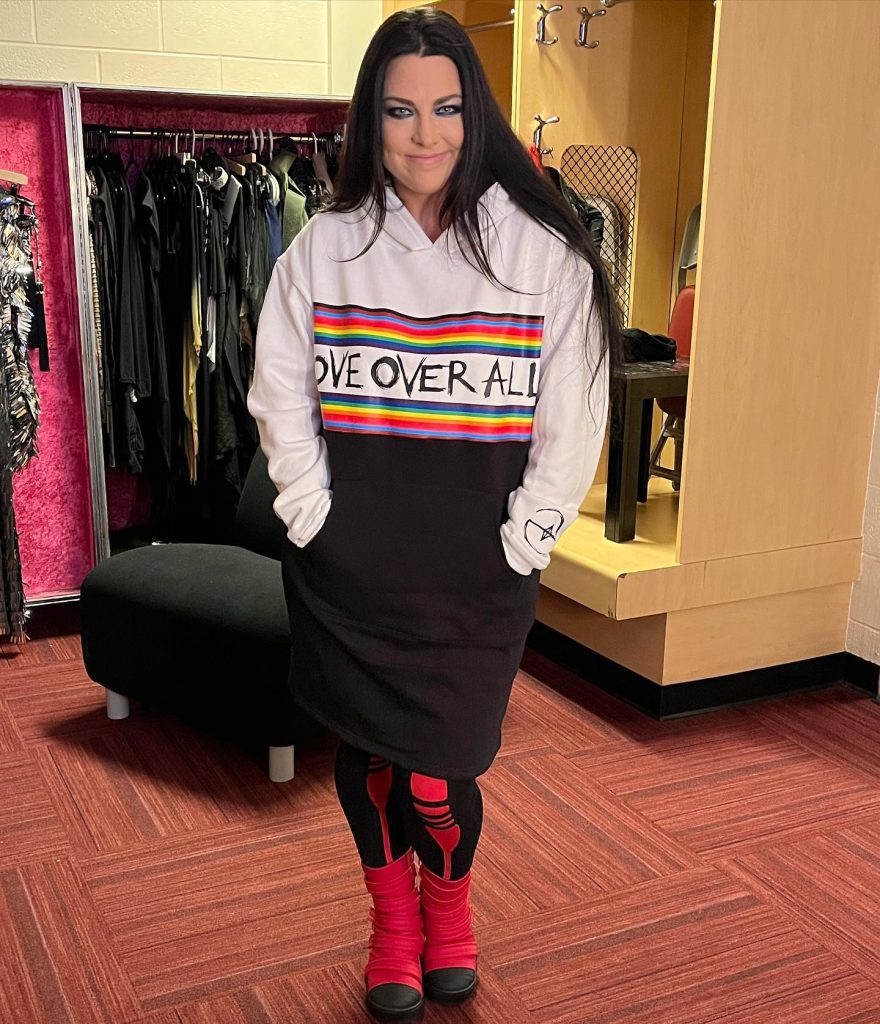
When Evanescence first broke through, Amy Lee’s voice was the thing that stopped people in their tracks. The American singer, who fronts the alternative metal band, possesses a vocal range that many listeners instinctively describe as mezzo soprano — though technically she’s classified as a dramatic soprano. Either way, her voice became something of a benchmark in the genre.
Patti Smith
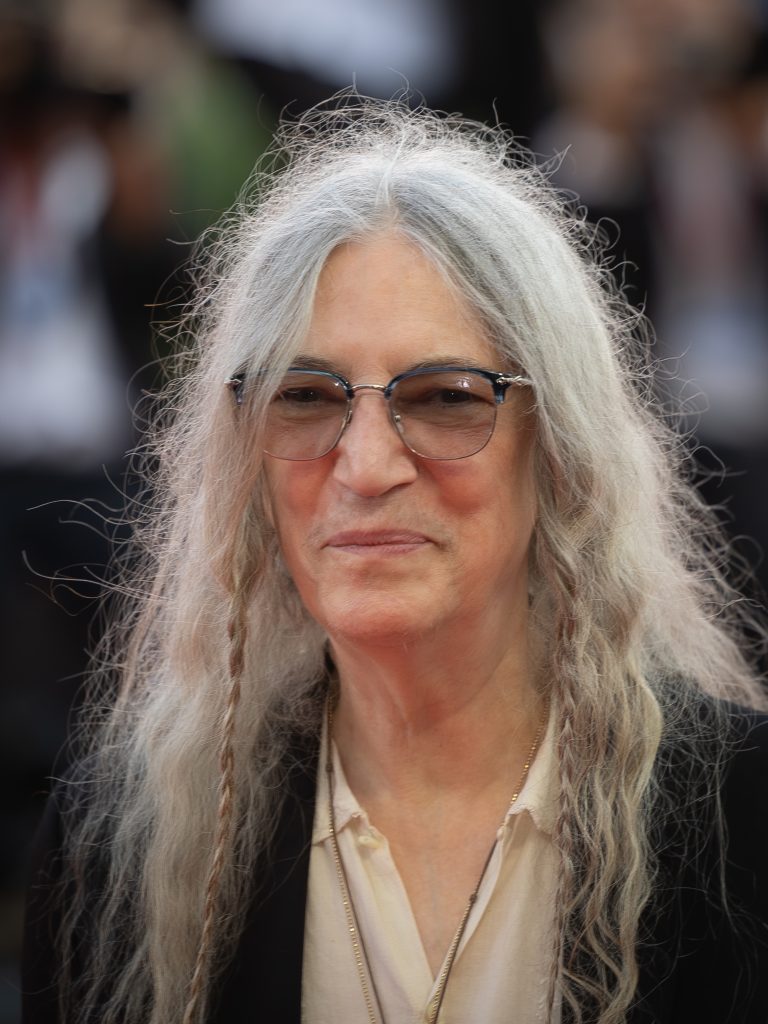
Patti Smith never really cared about fitting a mold, and that’s precisely what made her so enduring. Rather than leaning on image or spectacle, she let her voice, her words, and her sheer presence do the work. A published poet and writer as much as a rock musician, Smith approached punk with a feminist and literary sensibility that was unlike anything the scene had seen before. Her influence on the genre is difficult to overstate.
Courtney Love
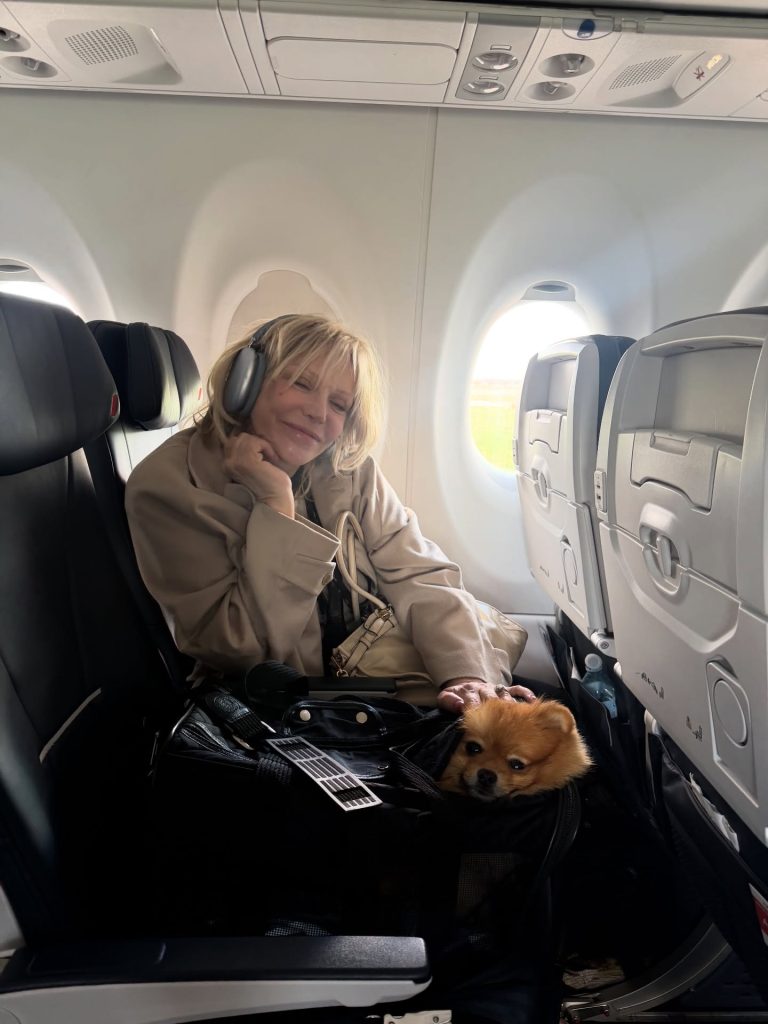
Courtney Love’s story is one of genuine talent that spent years fighting to be heard over the noise of her personal life. Her struggles with substance abuse became tabloid fodder that consistently threatened to eclipse what she was actually doing musically. Yet Hole carved out a real legacy, particularly with the 1998 release of Celebrity Skin, which produced standout tracks like the title track and “Malibu.” Offstage, her “kinderwhore” aesthetic — all babydoll dresses and vivid red lips — became its own kind of statement.
Chrissie Hynde
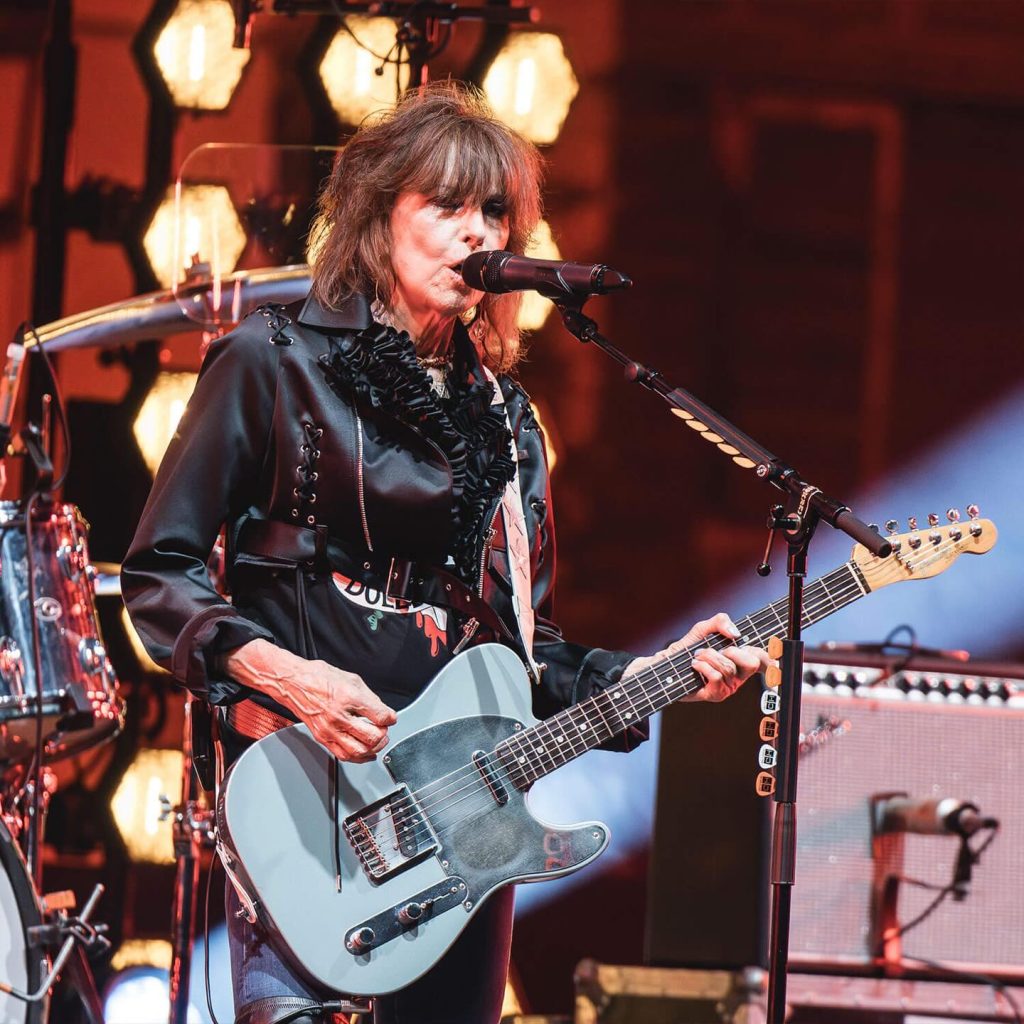
Few artists have shown the staying power of Chrissie Hynde. She built The Pretenders from the ground up in 1978, steering the band as its vocalist, guitarist, and primary songwriter. Songs like “I’ll Stand By You,” “Back on the Chain Gang,” “Middle of the Road,” and “Don’t Get Me Wrong” became staples of the rock canon. Decades later, Hynde remains the sole surviving link to that original lineup and continues to tour, her voice as distinctive and commanding as ever.
Christine McVie
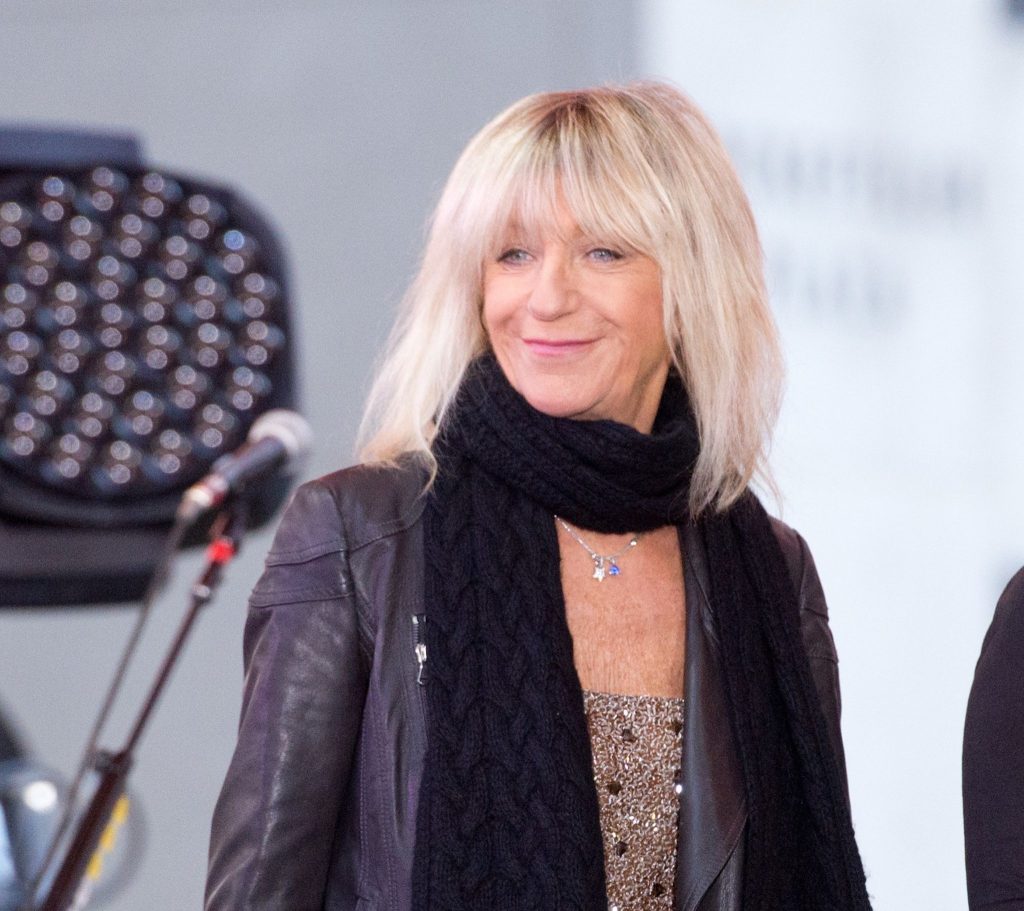
The passing of Christine McVie in November 2022 left a silence in rock that’s hard to fill. As a cornerstone of Fleetwood Mac since the band’s early days in the 1970s, she was responsible for some of their most cherished material — “Little Lies,” “Everywhere,” and “Don’t Stop” among them. Her personal life and the band’s history became deeply intertwined: when her marriage to bassist John McVie ended around the same time Stevie Nicks and Lindsey Buckingham also split, the emotional wreckage fed directly into Rumours, which went on to become one of the best-selling albums ever recorded. McVie eventually stepped away in 1998, put off by a growing fear of flying, but returned to the stage in 2014 and toured again with the band during their 2018–2019 run.
Debbie Harry
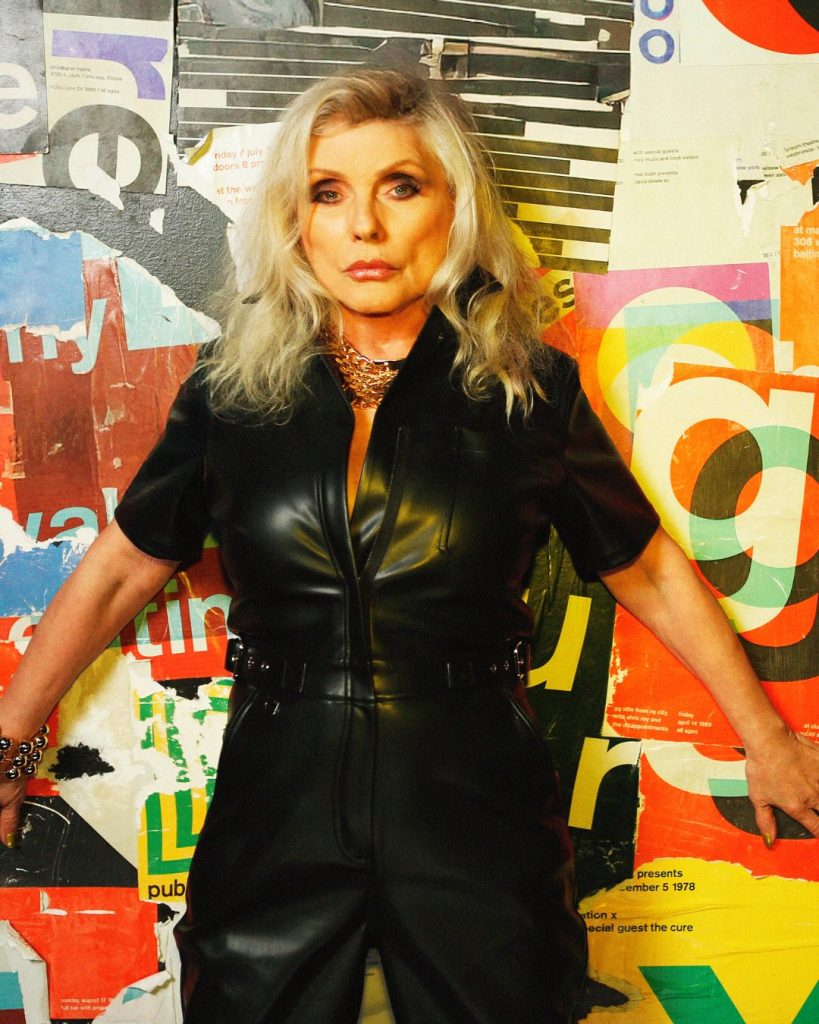
Debbie Harry has been the face and voice of Blondie since 1974, steering the band through punk, new wave, and everything in between. Tracks like “Heart of Glass,” “Call Me,” and “Rapture” remain as fresh and vital as they did on release. The band is still active, and Harry herself gives no indication of stepping back anytime soon.
Joan Jett
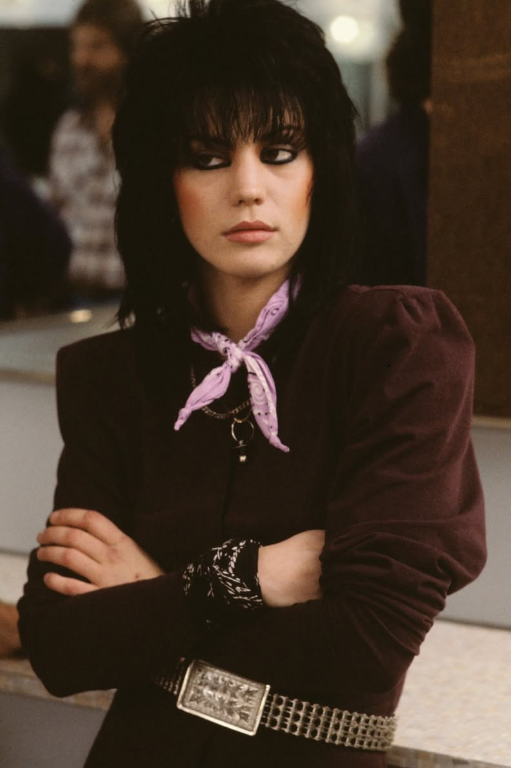
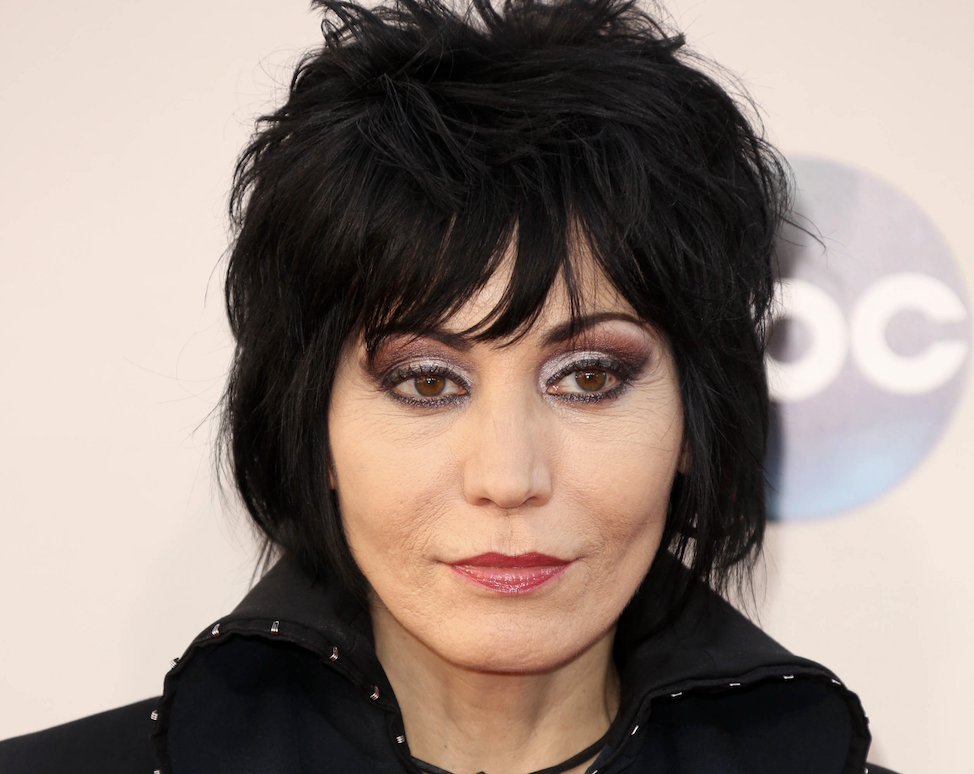
Joan Jett earned the title Queen of Rock ‘n’ Roll the hard way. She co-founded The Runaways in 1975, one of the earliest all-female rock bands, which produced raw, unapologetic tracks like “Cherry Bomb,” “Queens of Noise,” and “Born to Be Bad” before disbanding in 1979. After going solo, Jett delivered what became one of rock’s defining anthems in “I Love Rock ‘n’ Roll,” and her reputation as one of the instrument’s finest guitarists has never really been in dispute.
Gwen Stefani
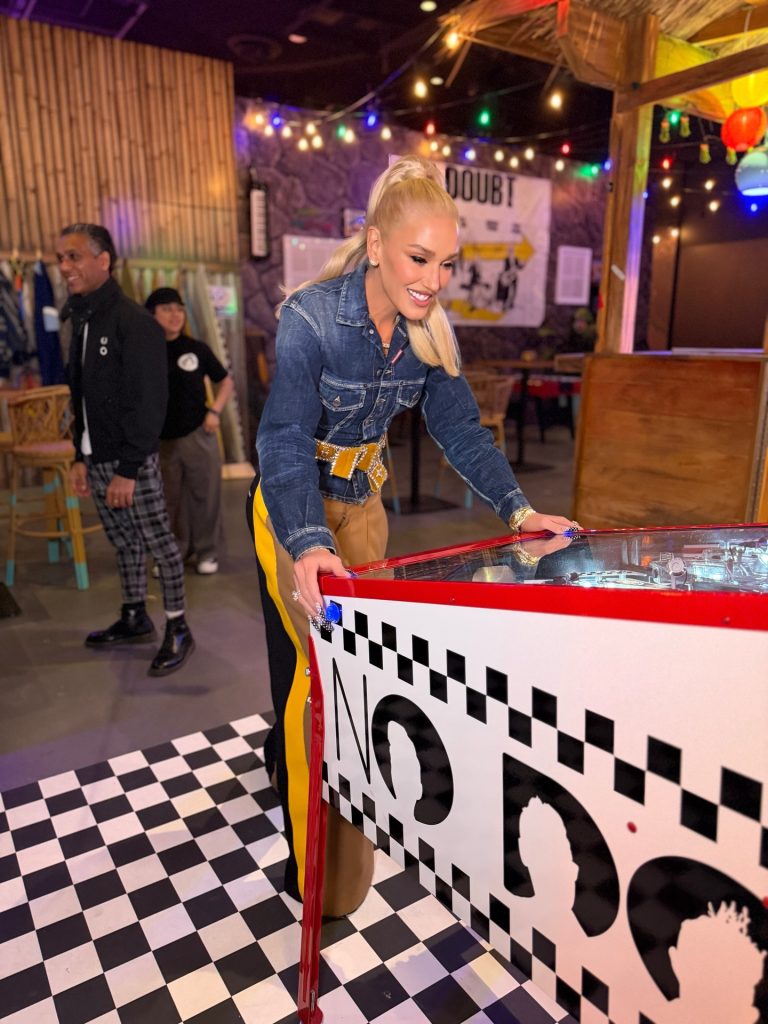
There’s a version of Gwen Stefani that a certain generation holds close — the front woman of No Doubt, all energy and defiance, leading a band that hit its stride with Tragic Kingdom in 1995. That album moved over 16 million copies worldwide and contained some of the decade’s most memorable tracks: “Don’t Speak,” “Just a Girl,” “Spiderwebs,” and “Excuse Me Mr.” Her solo work has leaned pop, but she still brings those No Doubt songs to life whenever she performs them.
Shirley Manson
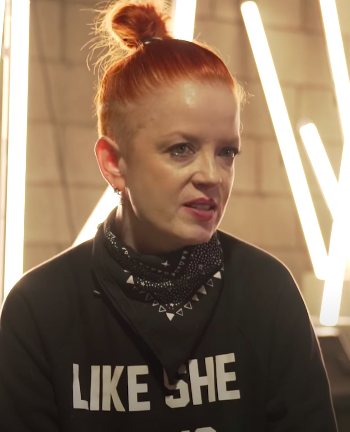
Shirley Manson became one of the defining faces of alternative rock in the 1990s as the vocalist of Garbage. The band hit its stride with two back-to-back albums — Garbage and Version 2.0 — that produced sharp, hook-laden tracks like “Only Happy When It Rains,” “When I Grow Up,” and “Stupid Girl.” Manson’s cool, detached delivery became something of a signature for the era.
Dolores O’Riordan
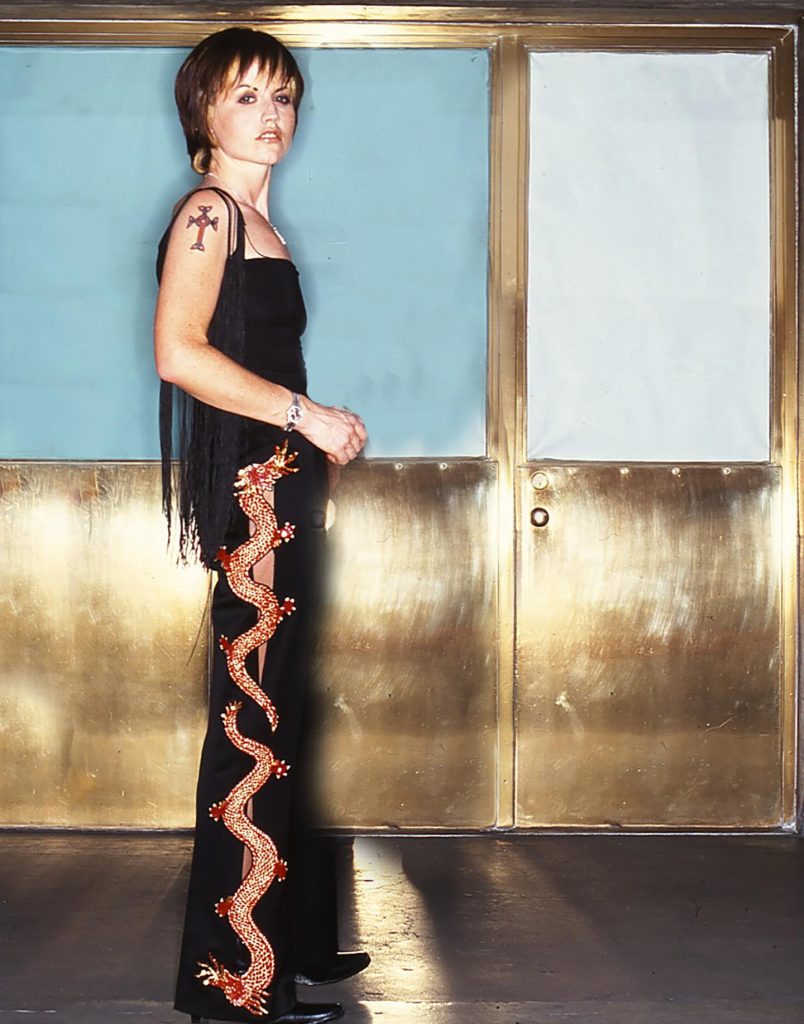
The Cranberries emerged from Ireland in 1989 and built a global following that few alternative rock bands of their era could match. Dolores O’Riordan’s voice — immediately recognizable, deeply expressive — was central to everything. Four of their albums landed in the Billboard 200’s top 20, among them Everybody Else Is Doing It, So Why Can’t We?, No Need to Argue, To the Faithful Departed, and Bury the Hatchet. Her death in January 2018 was a profound loss, but songs like “Linger,” “Dreams,” and “Zombie” ensure her voice will never really go quiet.
Grace Slick
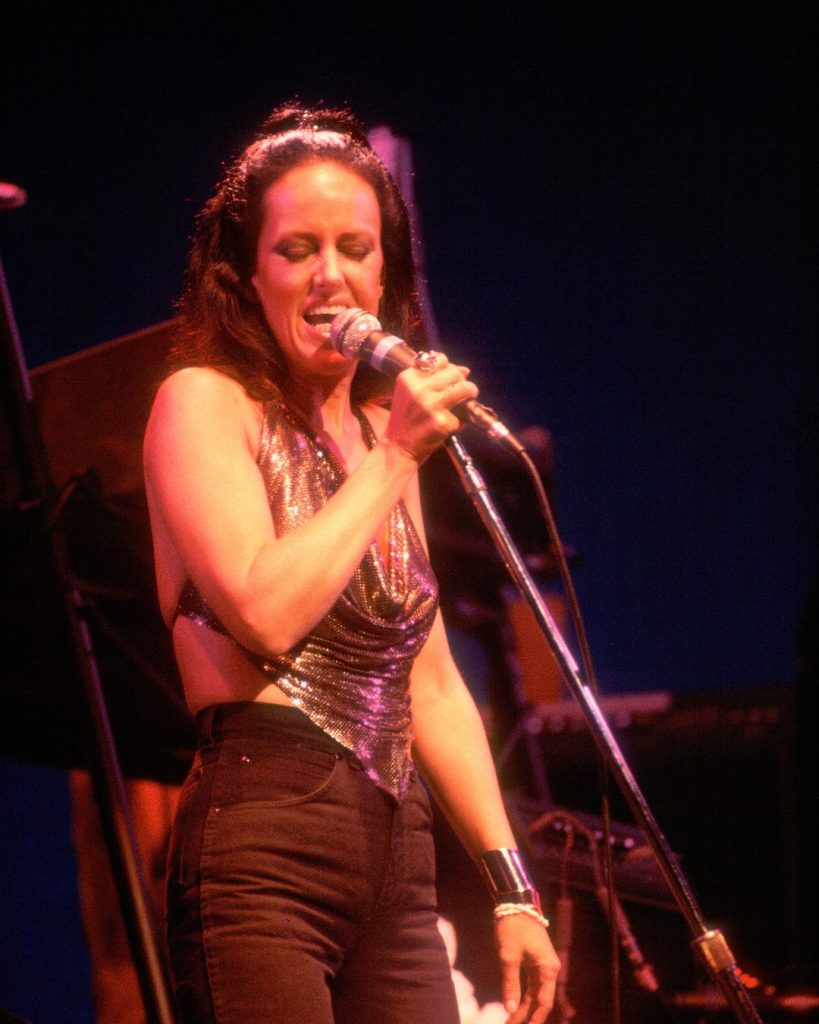
Grace Slick occupied a rare space in rock history as one of the architects of psychedelic rock. Through Jefferson Airplane — which she joined in the mid-1960s — and later through Jefferson Starship and Starship, she helped push the genre into the mainstream and gave it a voice that was impossible to ignore. Her contributions were formally recognized in 1996 when she was inducted into the Rock and Roll Hall of Fame alongside her Jefferson Airplane bandmates.
Brody Dalle
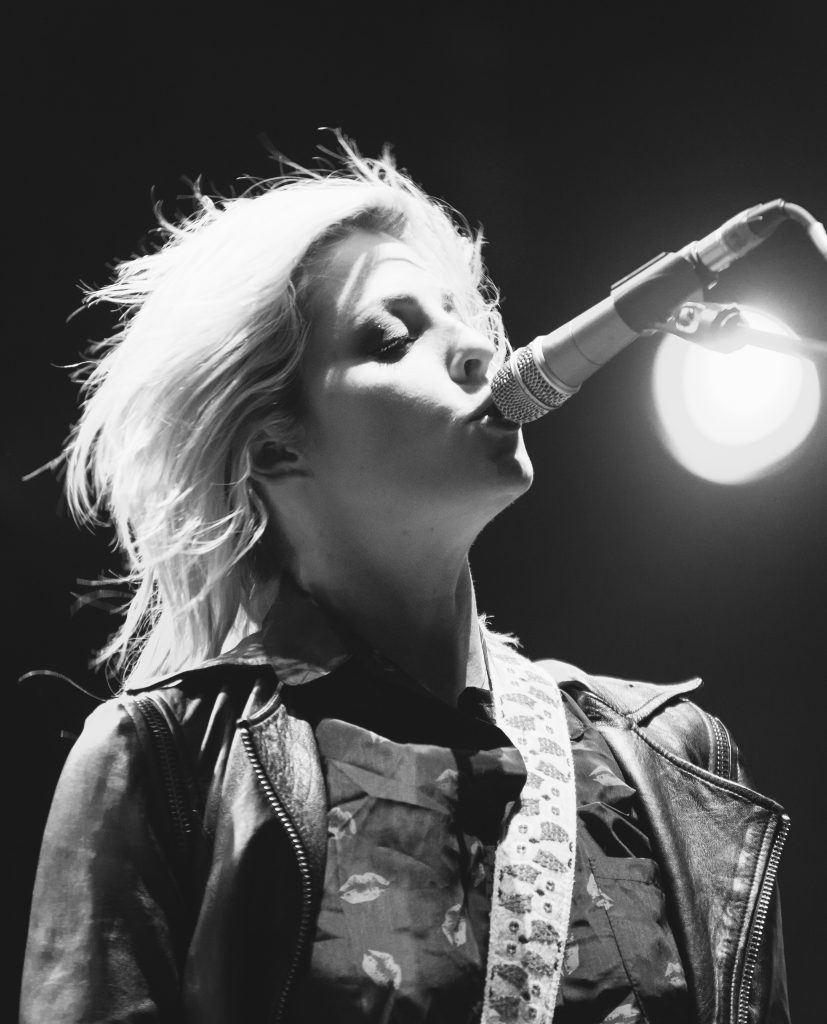
Brody Dalle built her reputation over more than two decades fronting The Distillers, one of punk’s most respected acts. The Australian artist then moved into different territory with alternative rock project Spinnerette before launching a solo career in 2012. At every stage, she has brought the same fierce, uncompromising energy that defined her early work.
Lita Ford
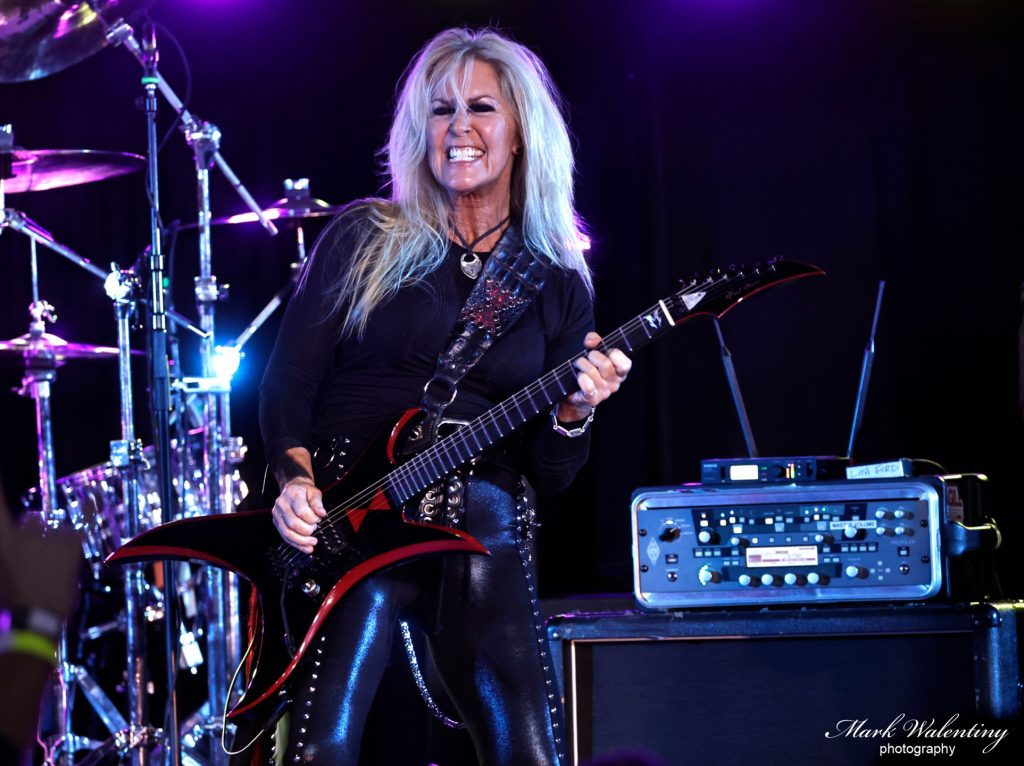
Lita Ford was already a Runaways alumna when she launched her solo career in 1983 with Out for Blood, establishing a hard rock identity built around her considerable skills as a guitarist and her larger-than-life stage presence. Later in the decade, she collaborated with Ozzy Osbourne on “Close My Eyes Forever,” a power ballad that became one of the bigger rock hits of the era.
Florence Welch
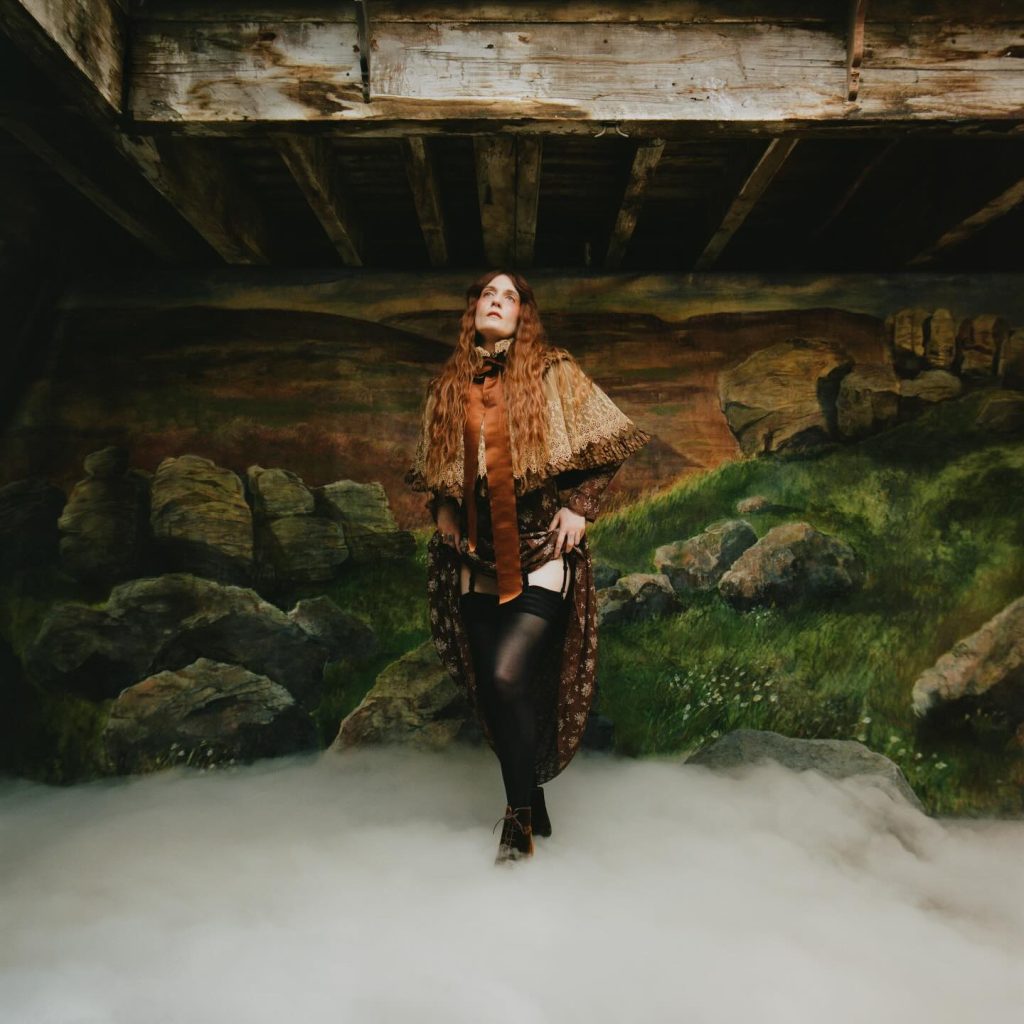
Florence Welch has led Florence and the Machine since 2007, and in that time has grown into one of the most commanding presences in contemporary rock. Her influence extends well beyond music — she’s become a genuine style icon — but it’s her performances that define her. The band sells out venues around the world, and “Dog Days Are Over” has taken on the kind of cultural weight that very few songs achieve.
Karen O
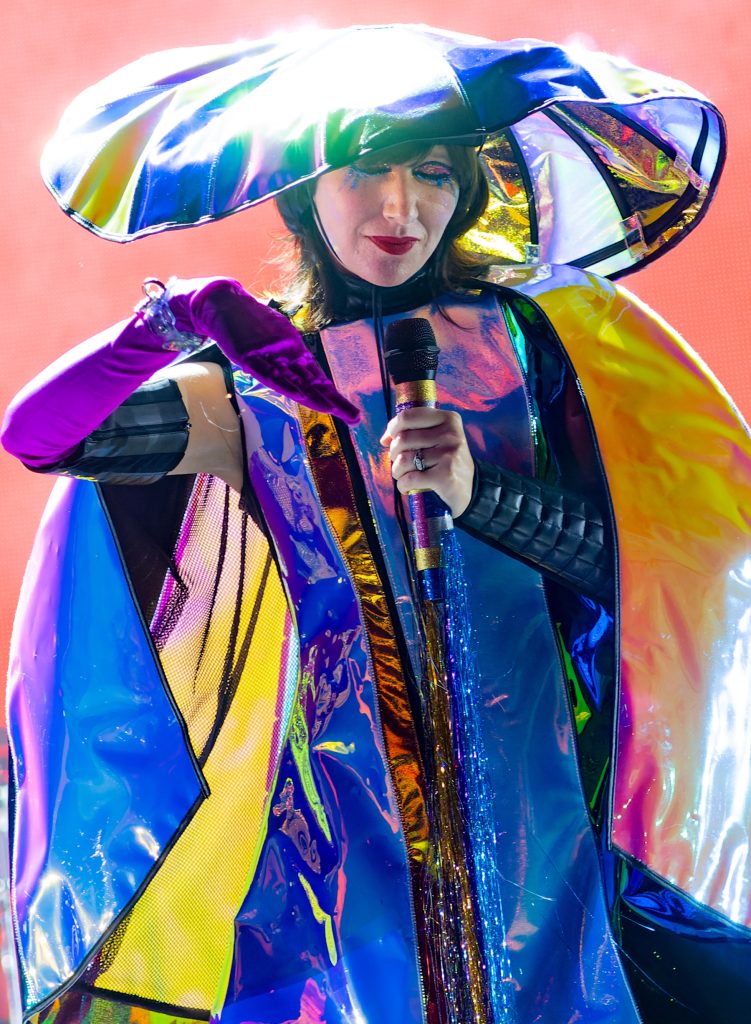
Karen O brought something genuinely new to indie rock when she emerged with the Yeah Yeah Yeahs — a collision of punk rawness, art rock ambition, and a performer’s instinct that was hard to look away from. Songs like “Zero,” “Cheated Hearts,” “Rockers to Swallow,” and “Mosquito” demonstrate a band willing to push boundaries, with Karen O’s presence — both sonically and visually — at the center of it all.
PJ Harvey
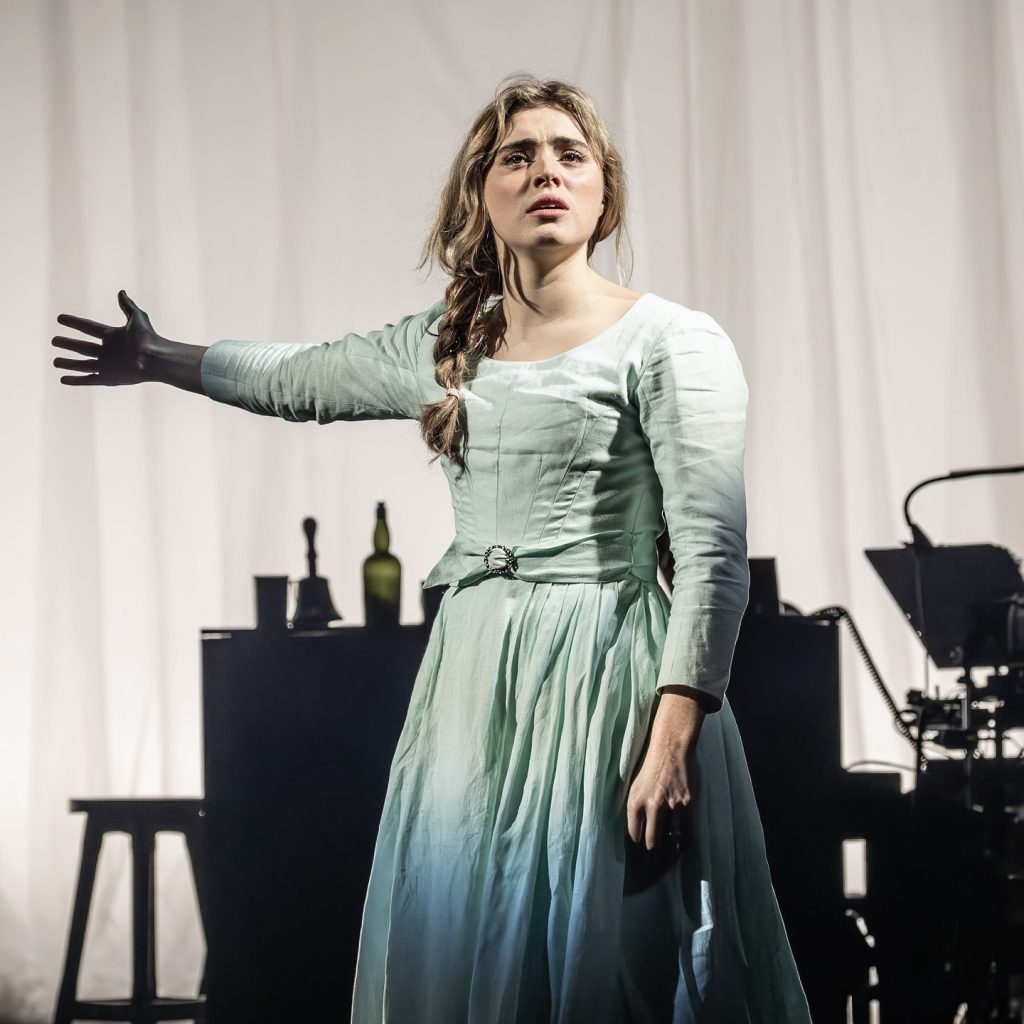
PJ Harvey occupies a category largely her own. Widely regarded as one of the most significant rock artists of her generation, she built a body of work across the ’90s and beyond that is as critically respected as it is emotionally powerful. Tracks like “Down by the Water,” “Good Fortune,” “The Words That Maketh Murder,” and “On Battleship Hill” represent just a fraction of a catalog that has consistently rewarded those willing to listen closely.
Featured Image : depositphotos